

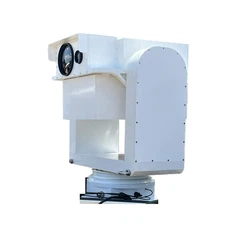
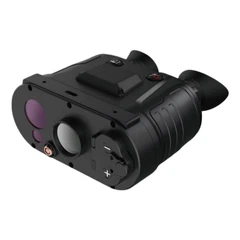
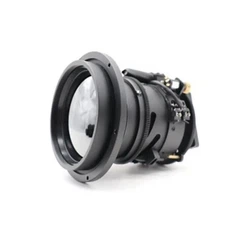
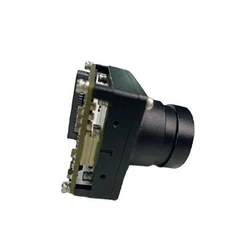
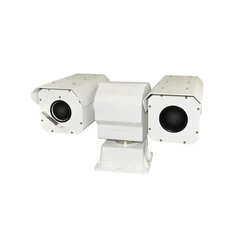
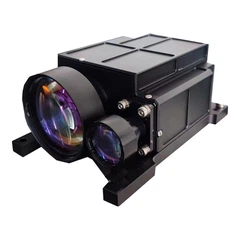
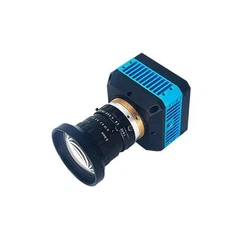

A thermal imaging camera consists of a handheld electronic device featuring an integrated display that detects heat energy.
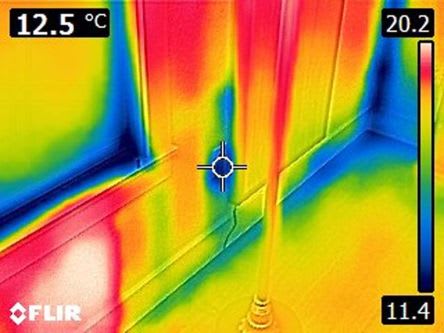
Thermal cameras are equipped with heat sensors and a special lens that can be used with standard image-capture technology. Engineers can then identify heat sources or areas of excess temperature quickly. Inspecting a building for possible gaps in thermal insulation, for example, or overheating components.
We can only see a small portion of the electromagnetic spectrum - visible light. Sensors on thermal detection cameras allow users to observe the infrared spectrum between visible light and microwaves, which is otherwise invisible.
Modern IR cameras often render this in colour. However, greyscale displays are preferred for some applications because they reduce visual clutter and capture fine detail better.
In a colour display of temperature, warmer areas will be shown in yellows, oranges, and reds, whereas cooler regions will appear in blues and purples. Green indicates room temperature areas. In very dark or obscured environments, thermal cameras can help identify heat sources by detecting infrared radiation rather than visible light.
Among the quality thermal imaging cameras available in the UK are those with ergonomically designed user-friendly designs that can detect a broad range of temperatures. Emergency response units, medics, product manufacturers, engineers, and maintenance workers across a wide range of industries benefit from their use.