

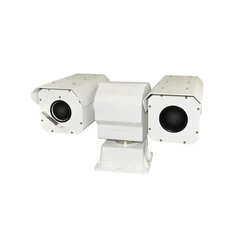
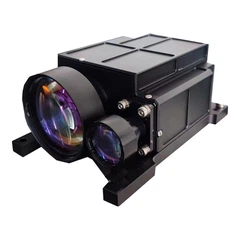
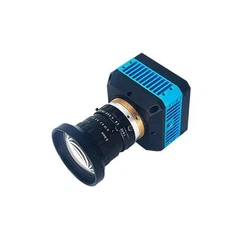

RS wants to make choosing an infrared camera easy for you. With so many varieties, designs and sensitivities to choose from, it's important to know exactly what you need before deciding on a specific product. To help you buy the right product, we've put together this handy checklist to ensure your camera is right for you. Key considerations include:
Resolution
The quality of the image drawn by a thermal imager is determined by the sensitivity. The higher the sensitivity, the clearer, sharper and more accurate the individual points in the image are.
The greater the distance of the object, the smaller the distance. However, this factor can affect the operating environment and the purchasing decision. The sensitivity should not be confused with the screen sensitivity.
Read: High sensitivity on the screening screen.


Data
Users can make instant decisions based on the images displayed on the screen. This could be shutting down the machine, scheduling preventative maintenance, or even doing nothing because everything looks fine.
Many instruments store measurement data in memory and on removable cards for offline storage, analysis, and reporting. Some have added extra features, such as Wi-Fi connectivity, to allow direct connection to other devices. Measurement data and visual images can be exported directly to a smartphone, tablet, or laptop. This enables timely mobile analysis and reporting, as well as easy sharing of information via email and other channels.
Sensitivity
Sensitivity represents the smallest temperature difference that an infrared sensor can distinguish. Devices with higher thermal sensitivity can detect smaller temperature differences, thus providing images with greater accuracy. Measured in milliKelvin (mK), the lower the mK value of a camera, the higher the sensitivity. This means the camera will detect a wider range of temperature differences and display more colors on the screen.

Temperature Range
Another factor to consider is the temperature range of the instrument. Not all applications require a measurement range that covers very high heat levels. Imaging devices that offer a wider temperature range will use more expensive sensors.

Popular Brands


