

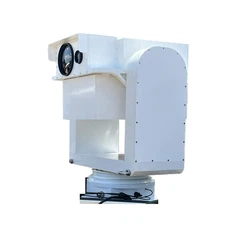
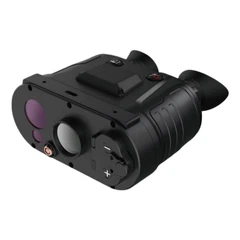
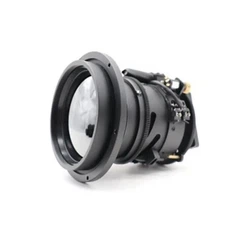
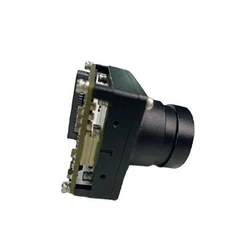
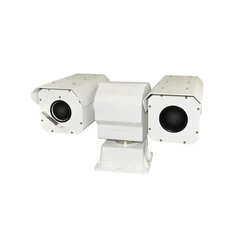
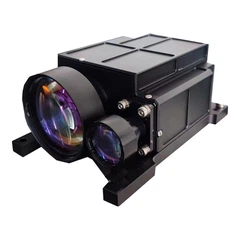
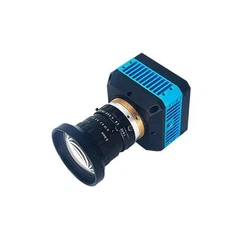

Observation Thermal Camera
Why choose us?
Your Leading Observation Thermal Camera Supplier
Rich experience
advanced production equipment and detection systems, sound sales networks and professional technicians.
100% QC
Strict quality check before shipping,making sure of the full functionality of the equipment.
Timely Service
Covers the time zones from the US, the EU,all the way to Asia.Professional engineers are here to help.
Trusted Partner
we are ready to establish cooperation with new clients around the world based on mutual benefits and development.
-
![Ultra Long Range Multi-sensor Pantilt MWIR LRF Daylight Laser Pointer]() Ultra Long Range Multi-sensor Pantilt MWIR LRF Daylight L...SC-PTT620 Ultra long range dual spectrum Pan&Tilt EO system with LRF(Laser ranging unit) or Laser pointer or Laser illumination and tracker automatically capturing and (Tracking) object, such as...read more
Ultra Long Range Multi-sensor Pantilt MWIR LRF Daylight L...SC-PTT620 Ultra long range dual spectrum Pan&Tilt EO system with LRF(Laser ranging unit) or Laser pointer or Laser illumination and tracker automatically capturing and (Tracking) object, such as...read more -
![Long-range Uncooled Pan&Tilt Camera PTD Series]() Long-range Uncooled Pan&Tilt Camera PTD SeriesThis LWIR uncooled (MWIR cooled can be customized) system is applicable for Long-range focus observation and surveillance, at different scenarios, such as national/regional border, airport,...read more
Long-range Uncooled Pan&Tilt Camera PTD SeriesThis LWIR uncooled (MWIR cooled can be customized) system is applicable for Long-range focus observation and surveillance, at different scenarios, such as national/regional border, airport,...read more -
![Long Range Dual Spectrum Camera PTD64-300]() Long Range Dual Spectrum Camera PTD64-300An ultra-long range LWIR almost reach to the limit of uncooled thermal camera detection range.read more
Long Range Dual Spectrum Camera PTD64-300An ultra-long range LWIR almost reach to the limit of uncooled thermal camera detection range.read more -
![384 640 Middle Range Dual Spectrum PTZ System]() 384 640 Middle Range Dual Spectrum PTZ SystemThis 384x288 / 640x512 system is applicable for middle to long focus perimeter, border observation and video surveillance, at different scenarios, such as national/regional border, airport,...read more
384 640 Middle Range Dual Spectrum PTZ SystemThis 384x288 / 640x512 system is applicable for middle to long focus perimeter, border observation and video surveillance, at different scenarios, such as national/regional border, airport,...read more -
![Long Range Thermal Cameras]() Long Range Thermal CamerasLong range double spectrum PTZ camera forest fire prevention IR thermal camera Tracking function add-on available (hotspot, object recognition and tracking). Thermal scanning option available.read more
Long Range Thermal CamerasLong range double spectrum PTZ camera forest fire prevention IR thermal camera Tracking function add-on available (hotspot, object recognition and tracking). Thermal scanning option available.read more -
![Thermal Camera Fire Detection]() Thermal Camera Fire DetectionThis 384x288 system is applicable for middle to long focus perimeter, border observation and video surveillance, at different scenarios, such as national/regional border, airport, refinery, farms,...read more
Thermal Camera Fire DetectionThis 384x288 system is applicable for middle to long focus perimeter, border observation and video surveillance, at different scenarios, such as national/regional border, airport, refinery, farms,...read more -
![640 Thermal Long Range Dual Spectrum PTZ System]() 640 Thermal Long Range Dual Spectrum PTZ SystemThis 640 (640x480 / 640x512) high performance system is applicable for middle to long focus perimeter, border observation and video surveillance, at different scenarios, such as national/regional...read more
640 Thermal Long Range Dual Spectrum PTZ SystemThis 640 (640x480 / 640x512) high performance system is applicable for middle to long focus perimeter, border observation and video surveillance, at different scenarios, such as national/regional...read more -
![Long Middle Range Dual Spectrum PTZ System]() Long Middle Range Dual Spectrum PTZ SystemThis high performance system is applicable for middle to long focus perimeter, border observation and video surveillance, at different scenarios, such as national/regional border, airport,...read more
Long Middle Range Dual Spectrum PTZ SystemThis high performance system is applicable for middle to long focus perimeter, border observation and video surveillance, at different scenarios, such as national/regional border, airport,...read more -
![384 640 Wide-angle Smart Dual Spectrum Smart Pan Tilt]() 384 640 Wide-angle Smart Dual Spectrum Smart Pan TiltBeing a smart and fast deployable Pan&tilt, these two series of devices are both allowed to be installed on vehicles, vessels, or any other mobile carrier. It is applicable to near-middle range...read more
384 640 Wide-angle Smart Dual Spectrum Smart Pan TiltBeing a smart and fast deployable Pan&tilt, these two series of devices are both allowed to be installed on vehicles, vessels, or any other mobile carrier. It is applicable to near-middle range...read more


what is an Observation Thermal Camera?
An "observation thermal camera" is a device that uses infrared radiation to detect and visualize heat signatures from objects, allowing users to "observe" things in the dark or through obscurants like smoke or fog, essentially seeing a visual representation of the temperature differences between objects in a scene, rather than relying on visible light; it's also often called a thermal imaging camera or infrared camera.
Types of Observation Thermal Camera
Let's have a look at the advantages of thermal imaging cameras
Thermal Imaging Camera Delivers More Efficient Surveillance Scenario
Sensitive installations, houses, offices, factories, or industrial areas can use thermal imaging cameras at any corner of the property effectively. It doesn’t require lighting at all, since it captures the heat radiated from living beings. This operational peculiarity helps in installing the camera hidden from the public eye.
Weatherproof Device
It will not be impacted by wind, moisture, rain, or heat. Manufactured to withstand adverse climatic scenarios, the thermal camera will give the same quality of image irrespective of weather.
Capture Even Distant Images
Distant images will not be clear in visible-light cameras. The thermal imaging cameras capture the heat radiated from the body; therefore, it will indicate even distant living beings and their movements.
Maintenance-friendly
Thermal imaging cameras will not require frequent preventive or corrective maintenance.
Cost-effective Option
The comparatively higher initial cost may be a cause of concern for many. You may note that the longevity, performance, and weatherproof aspects make thermal imaging cameras a cost-effective option.
Distinctive Images
You can easily differentiate an animal from a human being, which is essential in surveillance requirements. On the other hand, it may be difficult to distinguish between an animal and a man, during bad light conditions, in the case of a visible light camera.
Functions Equally Well at Any Time of the Day
Be it day or night, the thermal imaging camera will perform with equal accuracy.
Types of Observation Thermal Camera
Thermal imagers fall into two main categories: cooled and uncooled.
Cooled thermal imagers
Cooled thermal imagers are high-performance devices that operate within a vacuum-sealed case and are cryogenically cooled. This cooling enhances their sensitivity, allowing them to detect temperature differences as tiny as 0.02°C. While these imagers offer superior performance, they are expensive and typically reserved for specialized applications like scientific research and military operations.
Uncooled thermal imagers
Uncooled thermal imagers, on the other hand, operate at ambient temperature and are significantly more affordable than their cooled counterparts. They are engineered to detect temperature differences as small as 0.2°C and are robust enough for everyday use. From routine industrial inspections to security surveillance, uncooled thermal imagers are the go-to choice for a wide variety of applications.
Components of Observation Thermal Camera
A thermal camera has several components, including a lens, thermal sensor, display, and processing electronics.

-
Lens
Focuses infrared energy onto the thermal sensor
High-quality germanium lenses can project long-wave thermal
radiation onto the sensor
Chalcogenide glass is also commonly used - Thermal sensor
Detects infrared radiation
Consists of thousands of detectors sensitive to thermal IR radiation
The resolution of the sensor determines the quality of the image - Display
Displays the processed image on an LCD or OLED screen
In an LCoS (liquid crystal on silicon) display, light is reflected off of a thin layer of liquid crystals - Processing electronics
Processes the infrared data into an electronic image
The image shows the apparent surface temperature of the object being measured - Mechanical housing
Houses the lens, thermal sensor, and processing electronics
Thermal cameras, also known as infrared cameras or thermal imagers, detect and measure the infrared energy of objects.
Maintenance Tips for Observation Thermal Camera
To maintain your observation thermal imager, clean the lens regularly, inspect the housing, ensure battery health, calibrate regularly, and always store the camera in a protected environment; always consult the manufacturer's instructions for specific cleaning and maintenance procedures.
IMPORTANT NOTES
Avoid Extreme Environments:
Do not expose the camera to extreme heat, cold, or humidity as this will affect performance.
PROPER USE
Do not point the camera directly into the sun or other strong heat sources.
Follow the manufacturer's focus and distance guidelines when capturing images.
Lens Cleaning
Clean the lens regularly with a soft, lint-free cloth and a lens cleaning solution designed for thermal imaging cameras.
Avoid using harsh chemicals, compressed air, or abrasive materials that can damage the lens coating.
Housing Inspection
Inspect the camera body for any cracks, loose screws, or signs of external wear.
Inspect gaskets and seals to ensure they are intact to prevent moisture intrusion.
Battery Management
Check battery charge regularly and replace batteries as needed.
Store spare batteries properly to preserve their charge.
Calibration
Follow the manufacturer's recommended calibration schedule to maintain accuracy.
Calibration is critical for reliable temperature readings.
Storage
Store the camera in a cool, dry place out of direct sunlight.
Use a protective case to prevent damage during storage and transportation.
Application of Observation Thermal Camera
Main applications of observation thermal cameras:
Home Energy Audits
Identify areas of heat loss in buildings by detecting temperature differences around windows, doors and walls, helping to improve energy efficiency.
Wildlife Monitoring
Observe nocturnal animals without disturbing them by detecting their body temperature.
Security Monitoring
Monitor surroundings at night by detecting the heat signature of intruders.
Medical Diagnostics
Evaluate skin temperature changes to identify potential problems such as inflammation or blood flow issues.
Electrical System Inspections
Locate potential fire hazards by identifying overheated electrical components such as wires or circuit breakers.
Mechanical Maintenance
Perform preventive maintenance by monitoring hot spots on bearings, motors, and other components to detect mechanical problems.
Roof Inspections
Identify areas of water penetration on roofs by detecting temperature differences associated with humidity.
Firefighting
Locate the source of fire in smoke-filled environments and identify people trapped inside.
FAQS
Q: Can I use a thermal camera during the day?
A: Yes, thermal cameras detect infrared radiation which is unaffected by visible light, so they work in both day and night conditions, although they are often more effective at night due to greater temperature contrast between objects.
Q: What is the difference between a thermal camera and night vision?
A: While both can be used in low light, night vision enhances visible light, while thermal cameras detect heat emitted by objects, allowing you to see in complete darkness.
Q: Can a thermal camera see through glass?
A: No, thermal cameras can't see through glass because the glass itself emits heat, which is what the camera detects.
Q: How accurate are thermal cameras for measuring temperature?
A: The accuracy of a thermal camera depends on factors like the camera's quality, the emissivity of the object being measured (how well it radiates heat), and the ambient temperature.
Q: What are the typical applications of thermal cameras?
A: Thermal cameras are used for various applications including building inspections (finding heat leaks), electrical troubleshooting (identifying hot spots), wildlife observation, search and rescue operations, medical diagnostics, and security surveillance.
Q: Can you use thermal imaging during the day?
A: Thermal imaging ot thermographies works on capturing infrared light emitted from objects, they are unaffected by the visible light. So, yes you can use the thermal imaging camera in daylight.
Q: Can you see through walls with thermal imaging Cameras?
A: No, Thermal imaging cameras do not see through surface but detect surface temperatures. If a wall is thick enough to trap the heat on one side without leaking it into the other side then thermal imaging will not detect it. However, if the condition results in a change in the surface temperature of the wall it will be picked up by the thermal imager.
Q: Can thermal cameras see through metal?
A: No, the thermal imaging camera can only pick up the surface temperature of the object. If any object on the other side of the metal heats it up so that the surface temperature changes, the camera will be able to pick up the temperature variation, but will not provide a see-through experience.
Q: Can thermal imaging see through glass?
A: Thermal imagers cannot pick up visible light. Therefore, Glass is not seen as transparent when viewed through a thermal imaging camera.
Q: Can Thermal imaging cameras see through clothing?
A: No, thermal imaging cameras can detect the temperature of the cloth but will not see through it. However, if a person is carrying something that is heating or cooling the cloth that covers it, the thermal camera will show the heat signature on the cloth.
Q: Is thermal imaging dangerous?
A: No, the thermal imager does not emit any form of radiation. It’s a sensor which converts records infrared radiation and processes it for human use.
Q: Can thermal imagers see through fog, rain, dust, smoke, and snow?
A: Thermal imagers can detect through a light amount of fog, rain, dust, smoke, and snow. However, as these conditions worsen, it lowers the visibility of the thermal camera.
Q: Will thermal imaging cameras see objects in the water?
A: The thermal imager cannot see through a significant depth of water. But an object that has a variance in temperature compared to the surrounding water can be picked up with relative ease, the water is shallow enough.
Q: What is the difference between cooled and uncooled thermal imaging cameras?
A: Cooled thermal cameras come with a cryocooler that lowers the detector temperature to cryogenic temperatures. They offer better image quality than uncooled thermal cameras but come at additional cost.
Q: Is thermal cameras and night vision different?
A: Yes, thermal imaging can produce pictures even if there is no presence of visible light. Night vision cameras work by boosting the ambient light. So if there is no ambient light, then night vision cameras will fail to register a usable image.
Q: What is thermal imaging?
A: Thermal imaging is a method that detects heat coming from the surface of the body. Thermal imaging is supported by over 40 years of research and thousands of published medical studies. FDA clearance was gained and from that point, it started its emergence within the industry.
Q: How do thermal imaging cameras work?
A: thermal imaging cameras, also called infrared cameras, detect heat naturally given off by all objects or persons. Thermal imaging cameras have lenses, just like any other cameras but in this case,e the lens focuses only on heat waves present in objects. Thousands of sensors convert the energy readings into an electrical signal which creates a video image forming a “thermal profile”. The hotter a subject the more heat it produces. Thermal cameras can see this heat and convert it to an image we can then see with our eyes. For example, you’ll notice in the photo the person is covered in shades of red, orange, and yellow. That’s because in this illustration the person is warmer than the surrounding air and appears “brighter” while the cooler surrounding air and buildings appear in varying “cooler” shades of purple and blue. Again colder temperatures are shades of blue, purple, or green, while warmer temperatures appear in shades of red, orange, or yellow.
Q: How do infrared thermometers take my temperature?
A: thermal imaging inner cantus of the eye Often, when people use handheld infrared temperature scanners it will point at the individual’s forehead. However, using this area results in significant differences when obtaining readings. One of the best areas for a thermometer reading actually turns out to be the inner canthus (tear duct) of the eye — right in the inner corner. This is the hottest part of the human face and is where our system measures when you’re asked to remove any eyewear and look at the camera.
Q: Is thermal imaging dangerous?
A: No. In fact, our thermal imaging system is a non-contact, non-invasive, passive imaging system that measures the heat emitted, or given off, by the human body. Our thermal imaging systems use proprietary software to provide an estimated core temperature, as well as a surface temperature. The thermal imager does not emit any form of radiation.
Q: What about if I’m pregnant?
A: The scanner bounces waves off your body surface which then go back to the machine for processing. The level of radiation you're exposed to during this process is lower than what is given off from your phone. At these very low levels, exposure is considered safe for everyone, including pregnant women.
Q: What’s the purpose of changing to a Thermal Imaging System?
A: Operating the temperature station previously required personnel to be physically in close proximity to each person being evaluated. Utilizing this new process provides operators handling the thermal imaging system the space to safely distance and could even be located in a different area or room. In addition, the thermal imaging system is an improvement in technology measuring temperature at a much faster speed than the typical forehead or oral (mouth) thermometer significantly reducing wait time.
Q: Are there any limitations to using a Thermal Imaging System?
A: This new system is used only for initial temperature assessment. Not removing eyewear, hat, or mask temporarily during the screening can result in an erroneous reading. In addition, when screening individuals coming into our building entrances the technology CANNOT take the temperature of multiple people at the same time.
Q: What happens if the thermal camera shows I have a high temperature?
A: If an increased temperature is seen using the thermal imaging system, you will be required to wait and get a secondary confirmation utilizing a different method at the screen station to confirm a fever.
Q: Can our thermal cameras be used to detect a virus such as the novel Coronavirus (COVID-19)?
A: No. Thermal cameras are NOT a diagnostic tool. It’s designed for early detection. Temperature-based screening using thermal imaging cannot effectively determine if someone definitively has COVID-19 because, among other things, a person with COVID-19 may not have a fever. A diagnostic-specific test must be performed to determine if someone has COVID-19.
IR-EO Cameras & Systems Co., Ltd. is one of the most professional observation thermal camera manufacturers and suppliers in China, specialized in providing high quality customized service. We warmly welcome you to buy high-grade observation thermal camera made in China here from our factory.
640 Thermal Long Range Dual Spectrum PTZ System, Long Range Thermal Cameras