

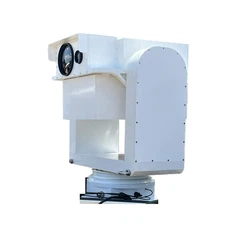
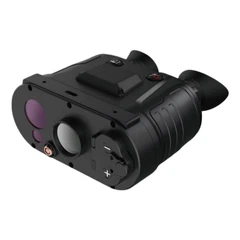
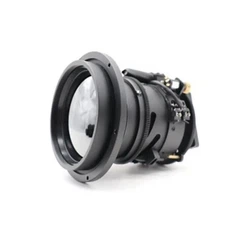
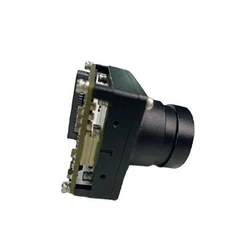
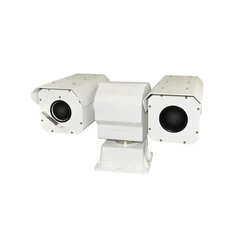
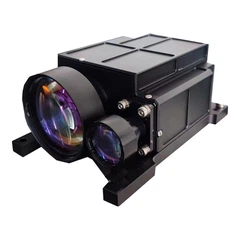
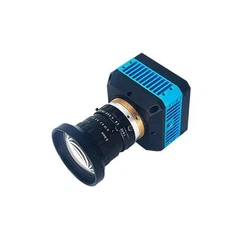

Anti-explosive Thermal Imaging Camera
1. What is an Anti-Explosive Thermal Camera?
An anti-explosive thermal camera is a specialized thermal imaging device designed to operate safely in explosive environments. These cameras are built to prevent ignition of flammable gases, dust, or vapors by adhering to strict safety standards. They are typically encased in robust, explosion-proof housings and are certified to meet international safety standards such as ATEX, IECEx, and UL.
Anti-explosive thermal cameras are essential for monitoring and inspecting areas where traditional cameras or equipment could pose a risk of explosion. They provide real-time thermal imaging, enabling operators to detect heat anomalies, monitor equipment, and ensure safety in hazardous zones.
2. Applications of Anti-Explosive Thermal Cameras
a. Mining Industry
- Underground Monitoring: Anti-explosive thermal cameras are used to monitor underground mining operations, where methane gas and coal dust pose significant explosion risks. They help detect overheating equipment, monitor conveyor belts, and ensure worker safety.
- Ventilation Systems: These cameras can monitor ventilation systems to ensure proper airflow and detect heat anomalies that could indicate fire risks.
- Equipment Inspection: Thermal cameras are used to inspect mining equipment such as drills, loaders, and crushers, preventing mechanical failures that could lead to explosions.
b. Oil and Gas Industry
- Pipeline Monitoring: Thermal cameras monitor pipelines for leaks, blockages, or overheating, preventing potential explosions.
- Storage Tank Inspection: They are used to inspect storage tanks for temperature anomalies, ensuring safe storage of flammable materials.
c. Chemical Plants
- Process Monitoring: Anti-explosive thermal cameras monitor chemical processes, detecting overheating or leaks that could lead to explosions.
- Emergency Response: In case of a fire or gas leak, these cameras provide real-time thermal imaging to guide emergency response teams.
3. Key Points to Consider When Purchasing Anti-Explosive Thermal Cameras
When selecting an anti-explosive thermal camera, consider the following factors to ensure it meets your needs:
- Safety Certifications
Ensure the camera is certified to meet international safety standards such as ATEX, IECEx, or UL. These certifications guarantee the camera's ability to operate safely in explosive environments.
- Resolution and Image Quality
Higher resolution cameras provide clearer and more detailed thermal images, enabling better analysis and decision-making.
- Durability and Protection Level
Look for cameras with robust, explosion-proof housings and high IP ratings (e.g., IP68) to ensure they can withstand harsh environments.
- Integration and Compatibility
Ensure the camera can integrate with your existing monitoring systems and software. Compatibility with protocols like ONVIF and RTSP is essential for seamless integration.
- Ease of Use and Maintenance
Consider cameras with user-friendly interfaces and low maintenance requirements. Portable cameras should be lightweight and easy to operate.
- Cost and Warranty
Compare prices and warranty options to ensure you get the best value for your investment. Consider long-term costs, including maintenance and support.
-
![KBA12 Wide-Spectrum Dual-Sensor Fusion Camera Anti-explosive]() KBA12 Wide-Spectrum Dual-Sensor Fusion Camera Anti-explosiveThe KBA12 Mining Wide-Spectrum Dual-Sensor Fusion Camera is designed for high dust penetration, with a dust and water-repellent coating on the lens, ensuring clear imaging in high-dust...read more
KBA12 Wide-Spectrum Dual-Sensor Fusion Camera Anti-explosiveThe KBA12 Mining Wide-Spectrum Dual-Sensor Fusion Camera is designed for high dust penetration, with a dust and water-repellent coating on the lens, ensuring clear imaging in high-dust...read more

IR-EO Cameras & Systems Co., Ltd. is one of the most professional anti-explosive thermal imaging camera manufacturers and suppliers in China, specialized in providing high quality customized service. We warmly welcome you to buy high-grade anti-explosive thermal imaging camera made in China here from our factory.