


In the ever - evolving field of infrared imaging technology, LWIR (Long - Wave Infrared) Fixed Focus Lenses have become crucial components for a wide range of applications, including surveillance, security, and industrial inspection. As a leading supplier of LWIR Fixed Focus Lenses, I often encounter inquiries from potential customers about the regulatory requirements associated with using these lenses. This blog aims to shed light on this topic and provide a comprehensive overview.
Understanding LWIR Fixed Focus Lenses
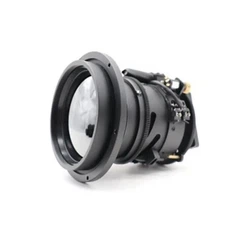
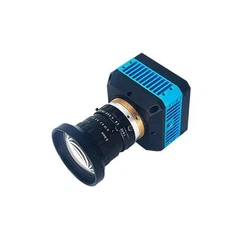
LWIR Fixed Focus Lenses operate in the long - wave infrared spectrum, typically between 8 to 14 micrometers. These lenses are designed to capture thermal radiation emitted by objects, allowing for clear imaging in low - light or complete darkness conditions. Fixed focus means that the lens is pre - set to a specific focal length, which simplifies the imaging process and reduces the complexity of the device.
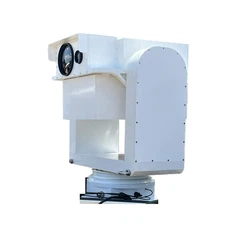
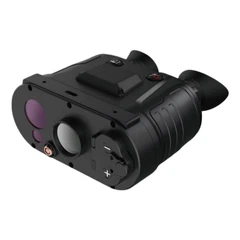
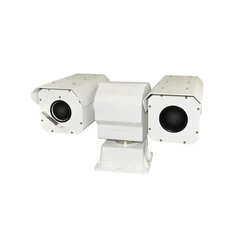
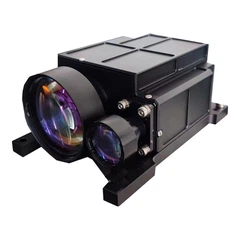
The applications of LWIR Fixed Focus Lenses are diverse. In surveillance, they are used in devices such as the Thermal Video Monitoring Pan&Tilt Camera, which can monitor large areas around the clock, regardless of lighting conditions. In the military and security sectors, the X300 EO/IR Highspeed Thermal Radar Scan Platform utilizes LWIR Fixed Focus Lenses for high - speed thermal radar scanning, enabling the detection of potential threats. Additionally, in long - range observation, the Ultra Long Range Multi - sensor Pantilt MWIR LRF Daylight Laser Pointer benefits from the precision and clarity provided by these lenses.
Regulatory Requirements
International Regulations
On an international scale, several regulations govern the use of LWIR Fixed Focus Lenses, mainly centered around safety and privacy. The International Electrotechnical Commission (IEC) has set standards for the electromagnetic compatibility (EMC) of infrared imaging devices. LWIR Fixed Focus Lenses must comply with these standards to ensure that they do not interfere with other electronic equipment and are safe for use in various environments.
For example, the IEC 61000 series of standards addresses issues such as electrical fast - transient/burst immunity, surge immunity, and radio - frequency electromagnetic field immunity. Lenses need to be tested and certified to meet these requirements before they can be legally sold in many countries.
Another important aspect is the control of export and import of LWIR Fixed Focus Lenses. The Wassenaar Arrangement is an international export control regime that classifies certain types of infrared imaging technology, including high - performance LWIR lenses, as dual - use items. This means that they can have both civilian and military applications. Suppliers must obtain the necessary export licenses from their respective governments when selling these lenses to overseas customers, especially in regions with strict arms control regulations.
Regional Regulations
In the European Union (EU), the General Data Protection Regulation (GDPR) has a significant impact on the use of LWIR Fixed Focus Lenses in surveillance applications. Since thermal imaging can potentially capture personal data, such as the presence and movement of individuals, strict rules apply regarding data collection, storage, and processing. Companies using LWIR - equipped devices for surveillance must ensure that they have a legal basis for data processing, such as a legitimate interest or explicit consent from the individuals involved.


In the United States, the Federal Communications Commission (FCC) regulates the radio - frequency emissions of electronic devices, including those with LWIR Fixed Focus Lenses. Devices must meet FCC Part 15 regulations to operate without causing harmful interference to other radio services. Additionally, the U.S. Department of Commerce's Bureau of Industry and Security (BIS) enforces export controls under the Export Administration Regulations (EAR) for certain types of infrared technology.
Industry - Specific Regulations
In the medical industry, if LWIR Fixed Focus Lenses are used in thermal imaging devices for medical diagnostics or monitoring, they must comply with strict healthcare regulations. In the United States, the Food and Drug Administration (FDA) regulates medical devices, and LWIR - based medical devices must undergo rigorous testing and approval processes to ensure their safety and effectiveness.
In the aviation industry, LWIR lenses used in airborne surveillance or navigation systems must meet the safety and performance standards set by aviation authorities, such as the Federal Aviation Administration (FAA) in the United States or the European Union Aviation Safety Agency (EASA). These standards ensure the reliability of the equipment in critical flight operations.
Our Compliance as a Supplier
As a supplier of LWIR Fixed Focus Lenses, we take regulatory compliance very seriously. Our lenses are designed and manufactured in accordance with all relevant international, regional, and industry - specific regulations. We have a dedicated quality control team that conducts in - house testing and works with third - party certification bodies to obtain the necessary certificates and approvals.
For example, all our lenses are tested for EMC compliance according to the IEC standards. We also maintain strict documentation and traceability for all our products, which is essential for meeting export control requirements under the Wassenaar Arrangement and the EAR. In addition, when working with customers in the medical or aviation industries, we ensure that our products meet the specific regulations of those sectors.
Implications for Customers
Customers who choose to use our LWIR Fixed Focus Lenses can benefit from our compliance efforts. They can be confident that the lenses they purchase are safe, reliable, and legally compliant. This not only reduces the risk of legal issues but also ensures the optimal performance of their imaging systems.
However, it is also important for customers to understand that they have their own responsibilities in complying with regulations. For example, in surveillance applications, they need to ensure that they are using the LWIR - equipped devices in accordance with privacy laws. In export scenarios, they may need to cooperate with us in obtaining the necessary export licenses.
Conclusion
In conclusion, the use of LWIR Fixed Focus Lenses is subject to a variety of regulatory requirements at the international, regional, and industry - specific levels. These regulations are in place to ensure the safety, privacy, and proper use of the technology. As a supplier, we are committed to providing high - quality, compliant lenses to our customers.
If you are interested in purchasing LWIR Fixed Focus Lenses for your specific application, we welcome you to contact us for further discussion. Our team of experts can provide you with detailed information about our products, regulatory compliance, and how our lenses can meet your needs. Whether you are in the surveillance, military, medical, or aviation industry, we have the right solution for you.
References
- International Electrotechnical Commission (IEC) standards, including the IEC 61000 series.
- Wassenaar Arrangement official documents.
- General Data Protection Regulation (GDPR) in the European Union.
- Federal Communications Commission (FCC) Part 15 regulations in the United States.
- Export Administration Regulations (EAR) enforced by the U.S. Bureau of Industry and Security (BIS).
- Food and Drug Administration (FDA) regulations for medical devices in the United States.
- Federal Aviation Administration (FAA) and European Union Aviation Safety Agency (EASA) standards for aviation equipment.