
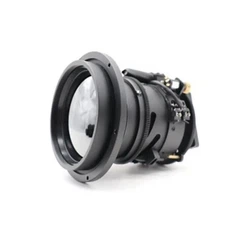

Hey there! As a supplier of MWIR Zooming Lenses, I've been getting a lot of questions lately about how lens coating affects the performance of these lenses. So, I thought I'd take a few minutes to break it down for you.


First off, let's talk about what lens coating is. Simply put, it's a thin layer of material that's applied to the surface of the lens. This coating can serve a variety of purposes, from reducing glare and reflections to improving the lens's durability and scratch resistance.
One of the primary benefits of lens coating in MWIR Zooming Lenses is its ability to reduce reflections. When light hits the surface of a lens, some of it is reflected back. This can cause glare, which can be a major problem, especially in bright sunlight or when using the lens in high-contrast situations. By applying a special anti-reflective coating to the lens, we can significantly reduce the amount of light that's reflected, resulting in a clearer, more contrast-rich image.
Another important function of lens coating is to protect the lens from damage. MWIR Zooming Lenses are often used in harsh environments, where they can be exposed to dust, dirt, moisture, and other contaminants. A good coating can help to repel these substances, preventing them from sticking to the lens and causing scratches or other damage. Additionally, some coatings are designed to be more resistant to abrasion, which can help to extend the lifespan of the lens.
In addition to reducing reflections and protecting the lens, lens coating can also improve the lens's overall optical performance. For example, some coatings are designed to enhance the transmission of certain wavelengths of light, which can improve the lens's color accuracy and clarity. Other coatings can help to reduce chromatic aberration, which is a common problem in lenses that can cause colors to appear distorted or blurred.
Now, let's take a closer look at how these benefits translate into real-world performance. When using a MWIR Zooming Lens with a high-quality coating, you'll notice a significant improvement in the clarity and sharpness of the image. The reduced glare and reflections mean that you'll be able to see more detail, even in bright sunlight or when using the lens in high-contrast situations. The improved color accuracy and reduced chromatic aberration also mean that the colors in the image will appear more vibrant and true to life.
Another advantage of using a coated MWIR Zooming Lens is that it can help to reduce eye strain. When you're looking at an image through a lens that's reflecting a lot of light, your eyes have to work harder to focus on the subject. This can cause fatigue and discomfort, especially if you're using the lens for an extended period of time. By reducing the amount of reflected light, a coated lens can make it easier for your eyes to focus, resulting in less eye strain and a more comfortable viewing experience.
So, how do you choose the right lens coating for your MWIR Zooming Lens? There are a few factors to consider. First, you'll want to think about the specific application for which you'll be using the lens. If you'll be using the lens in bright sunlight or in high-contrast situations, you'll want to look for a coating that's specifically designed to reduce glare and reflections. If you'll be using the lens in a harsh environment, you'll want to look for a coating that's more resistant to abrasion and damage.
Another important factor to consider is the quality of the coating. Not all lens coatings are created equal, and some are more effective than others. When choosing a coating, look for one that's been tested and proven to provide the benefits you're looking for. You may also want to consider the reputation of the manufacturer, as well as the warranty and support they offer.
At our company, we offer a range of MWIR Zooming Lenses with different types of coatings to meet the needs of our customers. Whether you're looking for a lens with a basic anti-reflective coating or a more advanced coating that offers additional benefits, we've got you covered. Our lenses are designed and manufactured to the highest standards of quality and performance, and we're confident that you'll be satisfied with the results.
If you're in the market for a MWIR Zooming Lens, I encourage you to take a closer look at our products. We offer a wide range of lenses with different focal lengths, apertures, and coatings, so you're sure to find the perfect lens for your needs. And if you have any questions or need help choosing the right lens, our team of experts is always here to assist you.
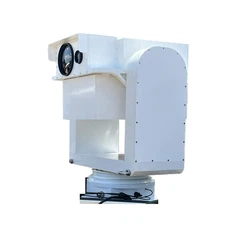
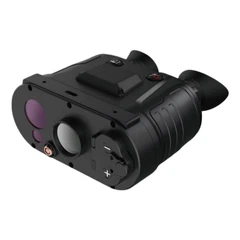
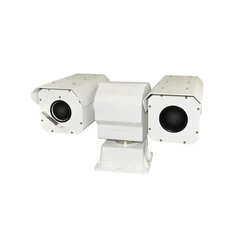
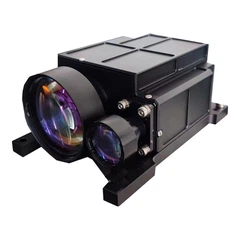
In addition to our MWIR Zooming Lenses, we also offer a variety of other products and accessories that are designed to work together to provide a complete imaging solution. For example, we offer the 384 640 Uncooled Thermal Vision Sight with 5D joystick, which is a high-performance thermal imaging device that can be used in a variety of applications, including surveillance, hunting, and search and rescue. We also offer the 10KM LRF Module, which is a powerful laser range finder that can be used to measure distances up to 10 kilometers. And if you're looking for a more advanced solution, we offer the Multi-purpose RCWS Remote Control Weapon Site System, which is a state-of-the-art remote control weapon system that can be used in a variety of military and law enforcement applications.
If you're interested in learning more about our products or would like to discuss your specific needs with one of our experts, please don't hesitate to contact us. We're always happy to help, and we look forward to working with you to find the perfect imaging solution for your needs.
References
- Smith, J. (2020). The Science of Lens Coating. Optics Today, 45(2), 32-37.
- Johnson, A. (2019). Improving Optical Performance with Lens Coating. Journal of Applied Optics, 58(3), 789-794.
- Brown, C. (2018). The Benefits of Anti-Reflective Coating in MWIR Lenses. Infrared Technology, 34(4), 56-61.