

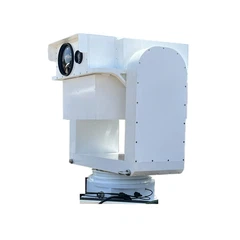
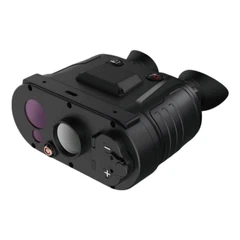
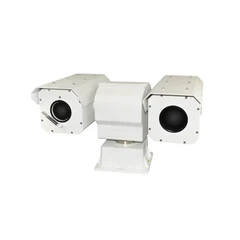
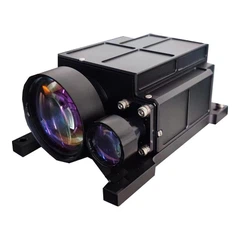
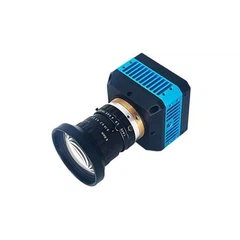

Infrared thermal imagers play an important role in smart agriculture, helping farmers better manage farmland, monitor crop growth, and improve agricultural production efficiency. The following are some applications of infrared thermal imagers in smart agriculture:
Crop monitoring and management
Infrared thermal imagers can help farmers monitor the growth and health of crops. By measuring the temperature distribution on the surface of crops, abnormal growth conditions such as pests and diseases and water shortage can be detected in time, and corresponding management measures can be taken.
Irrigation management
Infrared thermal imagers can help farmers determine the irrigation needs of crops. By monitoring the temperature of soil and vegetation, the moisture status of crops can be assessed, so that the irrigation amount can be accurately controlled and water resources can be saved.
Pest and disease monitoring
Infrared thermal imagers can detect temperature changes on the surface of crops and identify pest and disease threats in time. By monitoring hot spots, farmers can take targeted prevention and control measures, reduce the use of pesticides, and reduce production costs.
Climate monitoring
Infrared thermal imagers can monitor atmospheric temperature, humidity, and other meteorological parameters to help farmers understand local climate conditions and prepare for agricultural production.
The application of infrared thermal imagers in smart agriculture helps to improve agricultural production efficiency, reduce production costs and promote sustainable agricultural development.

