

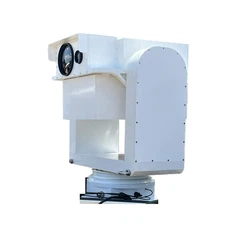
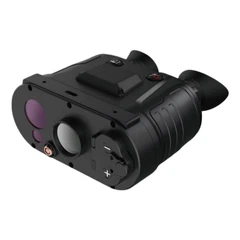
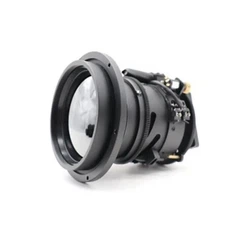
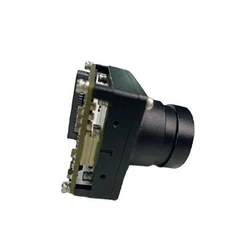
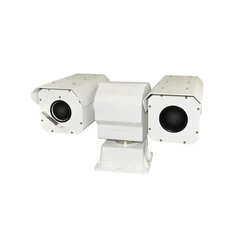
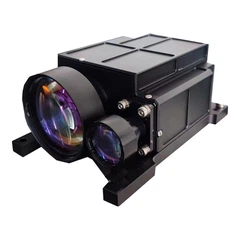
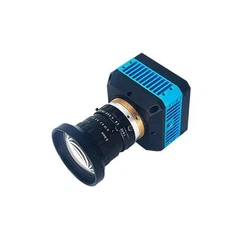

The working principle of thermal imaging is simple but effective: All objects emit infrared energy depending on their temperature. This form of energy is invisible to the human eye, but can be detected and converted into a visual image by a thermal imaging system. Here is a step-by-step walkthrough of the process:
A thermal imager equipped with an infrared detector captures the infrared radiation emitted by all objects within its field of view.
The captured radiation data is then processed by the camera's built-in software. An optical system focuses the infrared energy onto a sensor array or detector chip, with thousands of pixels in a grid.
The software converts the data into an image, called a thermal image or heat map, that represents the temperature variations of the scene.
Each temperature value is assigned a different color. Typically, hotter areas are represented by red and cooler areas by blue. The color matrix corresponding to the temperature is sent to the camera display in the form of a picture.
Leading thermal imagers and infrared cameras from manufacturers such as Fluke allow you to edit, transfer, store and analyze thermal images.
What is an infrared thermal imaging camera?
An infrared thermal imaging camera, commonly called a thermal imager or infrared camera, is a device that creates images using infrared radiation.
Unlike traditional cameras that use visible light to create images, thermal cameras operate in the long-wavelength infrared spectrum, which extends to 14,000 nanometers.
Thermal cameras work by detecting heat emitted by an object and converting it into an electronic signal. This signal is then processed to produce a thermal image on a video monitor. The camera can also perform temperature calculations, making it a versatile tool for any application that requires an accurate temperature reading. From diagnosing electrical problems to identifying insulation gaps in buildings, infrared thermal imaging cameras are useful in many professional fields. Handheld thermal imagers are the most popular type, but there are also devices such as fixed infrared scanners.