

Hey there! As a supplier of IR Optics, I've been in the game for quite a while, and I know how crucial alignment is for these optics. In this blog, I'll share with you what the alignment requirements for IR Optics are and why they matter.
First off, let's talk about what IR Optics are. Infrared (IR) optics are used in a wide range of applications, from thermal imaging to night vision. They work by detecting the infrared radiation emitted by objects and converting it into an image. This technology has revolutionized many industries, including security, military, and healthcare.
Now, when it comes to alignment, there are several key requirements that need to be met for IR Optics to work effectively.
1. Optical Axis Alignment
The optical axis of an IR Optic system is like the backbone. It's the imaginary line that runs through the center of all the optical components. Misalignment of the optical axis can lead to a whole bunch of problems, such as image distortion, reduced resolution, and loss of contrast.
For example, in a thermal imaging camera, if the optical axis of the lens is not properly aligned with the detector, the image you see on the screen might be blurry or have strange artifacts. This is because the light rays are not being focused correctly onto the detector.
To ensure proper optical axis alignment, we use specialized alignment tools and techniques. These tools can measure the position and orientation of the optical components with high precision. We also follow strict manufacturing processes to make sure that the components are assembled in the correct position right from the start.
2. Focal Plane Alignment
The focal plane is where the image is formed. In an IR Optic system, it's essential to align the focal plane of the lens with the detector. If the focal plane is misaligned, the image will be out of focus, and you won't be able to get a clear view of the object you're trying to observe.
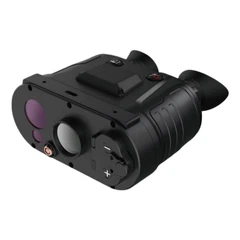
Let's say you're using a Dual Spectrum Thermal Ultra-low Light Image Fusion Vision Handheld Binocular. If the focal plane of the lens is not aligned with the detector in the binocular, you'll see a blurry image, which defeats the purpose of having a high - quality device.
To achieve proper focal plane alignment, we carefully adjust the distance between the lens and the detector during the manufacturing process. We use precise measurement tools to ensure that the focal plane is exactly where it needs to be.


3. Chromatic Aberration Correction
Chromatic aberration is a common problem in optical systems, including IR Optics. It occurs because different wavelengths of light are refracted by different amounts when passing through a lens. This can cause color fringing around objects in the image, which can be very distracting.
In IR Optics, chromatic aberration can affect the accuracy of temperature measurements in thermal imaging applications. For example, if you're using an IR camera to detect heat leaks in a building, chromatic aberration can make it difficult to accurately determine the temperature of the areas with heat loss.
To correct chromatic aberration, we use special lens materials and designs. For instance, we might use multiple lenses made of different materials to cancel out the chromatic effects. This requires a lot of expertise and testing to get it right.
4. Mechanical Alignment
Mechanical alignment is also crucial for IR Optics. The mechanical components that hold the optical elements in place need to be properly aligned and secured. If the mechanical parts are loose or misaligned, it can cause vibrations and movement of the optical components, which will degrade the image quality.
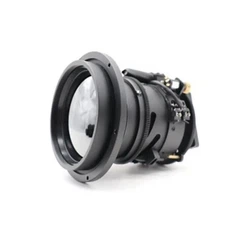
Take a LWIR Zooming Lens for example. If the mechanical parts that allow the lens to zoom are not properly aligned, the zoom function might not work smoothly, and the image might shake or become blurry during the zooming process.
We use high - quality mechanical components and precise assembly techniques to ensure proper mechanical alignment. We also perform rigorous testing to make sure that the mechanical parts can withstand the environmental conditions in which the IR Optics will be used.
5. System - Level Alignment
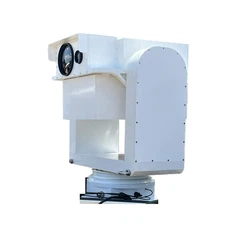
In many cases, IR Optics are part of a larger system, such as a Gyro - stabilized Shipborne Electro - Optical Turret System EGT - 360G. System - level alignment is all about making sure that the IR Optic system works well in conjunction with other components in the larger system.
For example, in a shipborne electro - optical turret system, the IR Optic needs to be aligned with the other sensors, such as visible light cameras and lasers. If the alignment is off, the data from different sensors might not be consistent, which can lead to incorrect analysis and decision - making.
To achieve system - level alignment, we work closely with our customers to understand the requirements of the overall system. We then use calibration and alignment procedures that take into account the interaction between the IR Optics and the other components.
Why Alignment Requirements Matter
You might be wondering, why all this fuss about alignment? Well, proper alignment is the key to getting the best performance out of IR Optics.
In security applications, a well - aligned IR Optic system can help you detect intruders more accurately. A clear and sharp thermal image can make it easier to distinguish between a human and an animal, or to spot a hidden person in the dark.
In the military, IR Optics are used for surveillance, target acquisition, and navigation. Misaligned optics can mean the difference between a successful mission and a failed one. A blurry image or inaccurate temperature measurement can lead to wrong decisions on the battlefield.
In healthcare, IR Optics are used for non - invasive temperature measurement and disease diagnosis. Precise alignment ensures that the temperature readings are accurate, which is crucial for proper medical treatment.
Conclusion
As you can see, the alignment requirements for IR Optics are complex but essential. At our company, we take alignment very seriously. We have a team of experts who are dedicated to ensuring that every IR Optic product we supply meets the highest alignment standards.
If you're in the market for high - quality IR Optics, whether it's for security, military, healthcare, or any other application, we'd love to talk to you. We can provide you with the best - in - class IR Optics that are precisely aligned and ready to perform. So, don't hesitate to reach out for a procurement discussion. We're here to help you find the perfect solution for your needs.
References
- Smith, J. (2018). Infrared Optics: Principles and Applications. Publisher X.
- Johnson, A. (2019). Advanced Alignment Techniques for Optical Systems. Journal of Optics Research, 25(3), 123 - 135.