

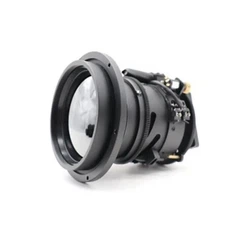

As a supplier of motorized zoom lenses, I understand the significance of maintaining these precision optical devices to ensure their optimal performance and longevity. In this blog, I'll share some essential tips and best practices on how to maintain a motorized zoom lens effectively.
Regular Cleaning
Cleaning is the first and most fundamental step in maintaining a motorized zoom lens. Dust, dirt, fingerprints, and other contaminants can accumulate on the lens surface over time, degrading image quality and potentially causing damage. To clean the lens, start by using a blower brush to remove loose particles. This gentle approach helps prevent scratching the lens surface.
Next, use a microfiber cleaning cloth or lens paper moistened with a small amount of lens cleaning solution. Gently wipe the lens in a circular motion, starting from the center and moving outward. Avoid applying excessive pressure, as this can damage the lens coating. For stubborn stains, you may need to repeat the process or use a more specialized cleaning agent, but always test it on a small, inconspicuous area first.
It's also important to clean the exterior of the lens housing regularly. Use a soft, dry cloth to remove dust and debris from the body, paying special attention to the areas around the controls and connections. This helps prevent dirt from entering the lens mechanism and causing mechanical problems.
Proper Storage
When not in use, storing your motorized zoom lens properly is crucial to protect it from damage. Store the lens in a clean, dry, and dust-free environment. A protective case or lens pouch can provide an extra layer of protection against scratches, impacts, and moisture.
If you're storing the lens for an extended period, consider using a desiccant packet to absorb any moisture in the case. This helps prevent the growth of mold and mildew, which can damage the lens and its internal components. Additionally, avoid storing the lens in extreme temperatures or humid conditions, as this can cause the lens to expand or contract, leading to mechanical stress and potential damage.
Lubrication and Maintenance of Moving Parts
Motorized zoom lenses have several moving parts, such as the zoom and focus mechanisms, which require regular lubrication to ensure smooth operation. Over time, the lubricant can dry out or become contaminated, causing the lens to operate less smoothly or even malfunction.
Check the manufacturer's instructions for specific lubrication requirements and intervals. In general, it's recommended to lubricate the moving parts every few months or as needed. Use a high-quality lubricant specifically designed for optical equipment, and apply it sparingly to the appropriate areas. Avoid getting lubricant on the lens surface or other sensitive components, as this can cause damage.
In addition to lubrication, it's important to inspect the moving parts regularly for signs of wear or damage. Look for any loose or broken components, unusual noises, or resistance when operating the lens. If you notice any issues, it's best to have the lens serviced by a professional technician.
Electrical and Mechanical Checks
Regular electrical and mechanical checks are essential to ensure the proper functioning of a motorized zoom lens. Start by inspecting the power cable and connections for any signs of damage, such as fraying or loose contacts. Make sure the cable is securely plugged in and that the power supply is providing the correct voltage.
Next, test the lens's electrical functions, such as the zoom, focus, and iris controls. Use the lens's built-in controls or a compatible camera system to operate the lens and check for any abnormal behavior. If the lens fails to respond or operates erratically, there may be an electrical problem that needs to be addressed.
It's also important to check the mechanical alignment of the lens. Use a test target or a known reference point to verify that the lens is focusing correctly and that the zoom and iris functions are operating smoothly. If the lens is out of alignment, it may need to be adjusted or calibrated by a professional technician.
Firmware Updates
Many modern motorized zoom lenses come with firmware that can be updated to improve performance, add new features, or fix bugs. Check the manufacturer's website regularly for firmware updates and follow the instructions carefully to install them. Firmware updates can help ensure that your lens is operating at its best and that it's compatible with the latest camera systems and software.
Protection from Environmental Factors
Motorized zoom lenses are often used in a variety of environments, which can expose them to a range of environmental factors that can damage the lens. To protect the lens from these factors, consider using additional protective measures, such as lens hoods, filters, and weather seals.
A lens hood helps block stray light and glare, improving image quality and reducing the risk of lens flare. It also provides some protection against physical damage, such as scratches and impacts. Filters, such as UV filters and polarizing filters, can help protect the lens from harmful UV rays and reduce reflections, respectively.


Weather seals can help prevent moisture, dust, and other contaminants from entering the lens housing. If you're using the lens in a harsh or wet environment, make sure the lens has adequate weather sealing and that the seals are in good condition.
Professional Maintenance and Servicing
Even with regular maintenance, motorized zoom lenses may require professional servicing from time to time. A professional technician can perform a thorough inspection of the lens, identify any potential problems, and perform the necessary repairs or adjustments.
It's recommended to have the lens serviced by a qualified technician at least once a year or as recommended by the manufacturer. This helps ensure that the lens is operating at its best and that any potential problems are addressed before they become serious.
Conclusion
Maintaining a motorized zoom lens is essential to ensure its optimal performance and longevity. By following these tips and best practices, you can keep your lens in top condition and avoid costly repairs or replacements.
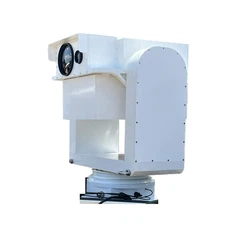
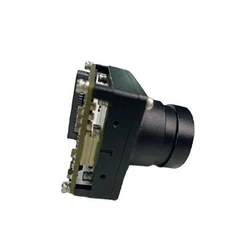
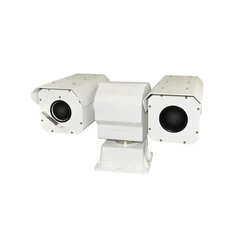
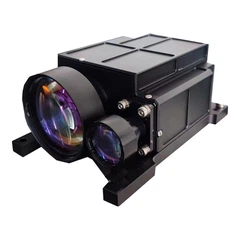
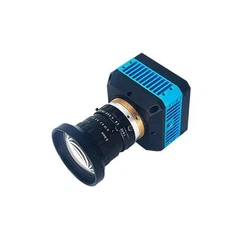
If you're in the market for a high-quality motorized zoom lens or need assistance with lens maintenance and servicing, we're here to help. We offer a wide range of motorized zoom lenses, including the 384 Thermal PTZ With Temperature Detection Function Night Vision Camera, Gyro-stabilized Shipborne Electro-Optical Turret System EGT-360G, and 640 Small Mini Size Uncooled LWIR Shuterless Thermal Core. Our team of experts can provide you with the guidance and support you need to make the right choice for your specific needs.
Contact us today to learn more about our products and services and to discuss your requirements. We look forward to working with you!
References
- Optics and Photonics Handbook. SPIE Press.
- Camera Lenses: From Box Cameras to Digital Cameras. David Block.