


CONTENTS
- Introduction
- The Starting Point: 3-Axis Basics
- Idea 1: The Fourth Axis as an Operator's Tool
- Idea 2: The 2x2 Twist-2-Axis, 4-Frames (Duty)
- How They Stack Up
- Why It Matters
- Wrapping It Up
Introduction
Ever wonder how those stunning aerial shots stay so smooth, or how sensors keep their cool on a tossing ship? That's the magic of gyro-stabilized platforms-nifty gadgets that lock cameras or other gear in place no matter what's shaking. Most people know the 3-axis deal-pan, tilt, and roll-but when someone says "4-axis," it's like opening a door to something extra. Thing is, "4-axis" isn't set in stone; it could mean a handy control tweak for an operator or a clever 2x2 setup that doubles down on stability. Let's dive into these ideas and see what they bring to the table.
The Starting Point: 3-Axis Basics
Think of a 3-axis platform like a super-steady camera rig. It handles three moves: Pan ( or Azimuth, Yaw, swinging side to side), Tilt (or Elevation, Pitch, up and down), and Roll (rotates just the camera/carrier iteself, keeping things level when everything else tilts). Whether it's a plane swooping or a boat rocking, this setup keeps your view from wobbling. It's the go-to for most stabilization needs-solid and simple. But when you need more than "pretty good"-say, razor-sharp focus or extra flexibility-that's when a fourth axis strolls in to spice things up.
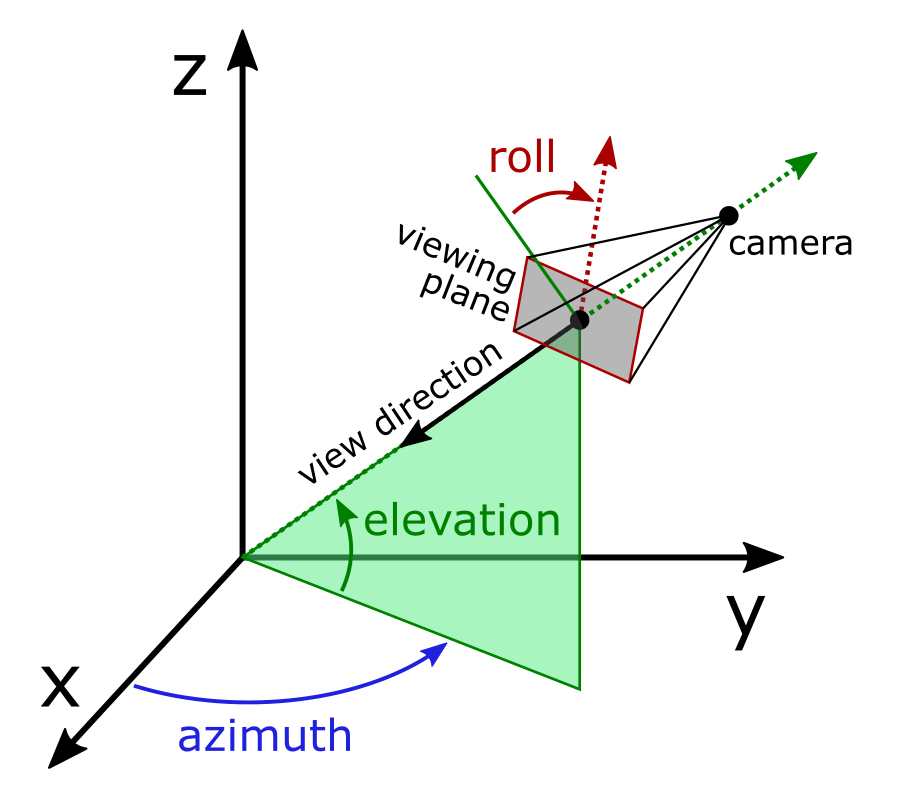
Azimuth/Pan, Elevation/Tilt & Roll (from the view of the camera)

Yaw, Pitch & Roll (from the view of the carrier)
Idea 1: The Fourth Axis as an Operator's Tool
One take on "4-axis" is adding a control that someone can play with on the spot-call it the "sensor control axis." The main three axes keep the platform steady as a rock, while this fourth one lets the operator adjust something specific, like nudging a camera's angle. Picture yourself in a buzzing cockpit, tracking something below. The platform's locked in place, but you tweak that extra axis to zero in on a detail without throwing off the whole setup. It's like having a fine-tuning knob right at your fingertips.
The 4th axis, actually, is created based on the 3-axis (AER) EO system, either mechanically or by , software, therefore we would like to classify them to the 3-axis system for simplicity. Please check next our 3-axis models for more information
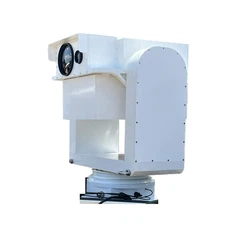
- M300 3-Axis (AER) Gyro Stabilized Gimbal ISRT
- POD 125-T4 (to be released)
Where It Shines: Aerial Surveillance
Imagine keeping tabs on a wildfire from the air. You might need to shift one camera to catch the glow of the flames while another holds a wide shot of the scene. This fourth axis gives you that wiggle room-perfect for juggling multiple views and stepping in when automation needs a human touch. It's a lifesaver in tight spaces, too, where every inch counts, letting you adapt without missing a beat.
Idea 2: The 2x2 Twist-2-Axis, 4-Frames (Duty)
Then there's the 2x2 angle, which here means "2-axis, 4-frames (duty)." Instead of just piling on more axes, this setup sticks to two main ones-pan and tilt-but spreads the work across four frames, each pitching in on stabilization duties. Think of it like a team of four: two frames (so called outer axis or frames) might brace the base against big sways, while the other two fine-tune (so called inner axis or frames) the camera or sensor to kill off any leftover shakes. It's less about adding new directions and more about splitting the job smartly-pan and tilt handled by a quartet of frames working together.
Our N400, built for heavier loads, rocks this 2x2 style (hence sometimes we call it 4 axis system), and so does the lighter POD-240 (To be released). In this context, 4 axis actually means 4 frames(duty).
Where It Shines: Rough Seas and High Skies
Picture a boat riding choppy waves, needing a drone to land safely. A 2x2 setup could keep the pad dead-level-the outer axes follow the horizon, and the inner ones zap any leftover bounce. Or imagine flying high, mapping a rugged coast: that layered approach keeps everything crystal-clear despite the wind. The 2-axis, 2-frames idea might kick in for bigger rigs, splitting duties to handle tough conditions where stability's the name of the game.
How They Stack Up
The sensor control axis is your buddy when you want hands-on flexibility-like tweaking a shot mid-flight to catch the action. The 2x2 model, though, is all about ironclad steadiness, shining in setups that run themselves or face brutal shakes. If you're rumbling over rough ground, 2x2 might keep your sights locked. But if you're aiming from the air with a split-second decision, that extra control axis could be your edge. Sure, 2x2 might mean a chunkier build, but the sensor tweak slips into tighter spots without breaking a sweat.
Why It Matters
In the thick of it, that operator-controlled axis lets you switch focus fast-great for chasing down a lead. The 2x2 approach, meanwhile, delivers unflappable calm over the long haul, whether it's a stormy sea or a gusty sky. Both can sweep wide and tilt deep, ready for whatever you throw their way.
Wrapping It Up
So, what's "4-axis" really about? Depends on what you need. It might be that extra trick for the operator to tweak things just right, or a 2x2 setup-fine-tuned layers or dual frames-doubling up on stability. Each brings its own flavor: one's about staying nimble, the other's about holding firm. Whatever the take, 4-axis platforms crank up the game, keeping everything steady no matter how wild it gets out there.
