

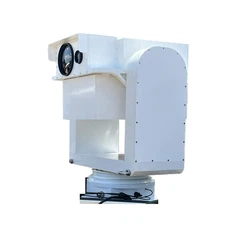
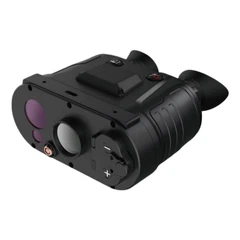
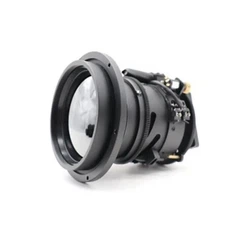
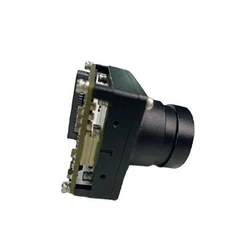
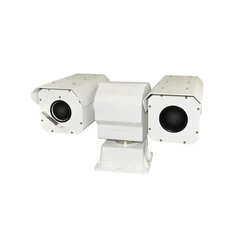
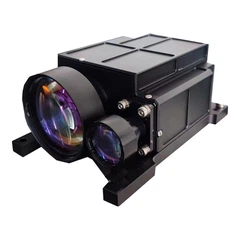
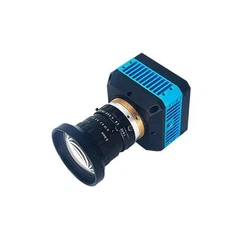

Thermal imaging cameras are cutting-edge tools used in a wide variety of industries. They have the unique ability to detect infrared radiation, which is emitted by all objects with a temperature above absolute zero. Thermal imaging cameras differ from standard cameras in that they create images based solely on the heat emitted by an object rather than visible light. This makes them a valuable tool for a variety of applications.
The components of a thermal imaging camera include the detector, lens, electronics, and display. The detector is the core component of the camera and is responsible for capturing and measuring infrared radiation. The lens focuses the infrared radiation onto the detector, while electronics process the data captured by the detector. The display then shows the image generated by the camera.
One of the main advantages of thermal imaging cameras is their ability to accurately detect temperature differences. This makes them ideal for identifying areas of overheating or heat leakage, such as electrical systems or insulated buildings. Thermal cameras are also extremely valuable in firefighting, where they can help identify hot spots and areas where fires may occur.
Another advantage of thermal imaging cameras is their versatility. They can be used for a variety of applications, including building inspections, medical diagnostics, and even wildlife observation. Thermal imaging cameras are also used in the military to identify objects in the dark and detect heat signatures, making them a valuable tool in military operations.
MWIR Cores factory
With our Headquarter established in 2016. we design, manufacture, sell and distribute products and provides services concerning with infrared thermal imaging technologies which is widely applied in different scenarios, such as all-time, all-weather surveillance for airport, residence, warehouse and etc., fire prewarning industrial automation and inspection, law-enforcement, maritime rescue or other missions under extreme conditions, where ordinary observation technologies based on visible light detection is limited.


