


Today’s post on thermal imaging cameras is prepared by a guest blogger – Amanda Wilson – a technical blogger specializing in the electrical and electronic test equipment and measurement industry.
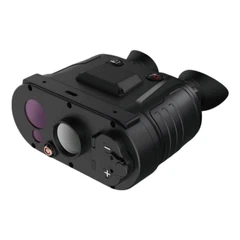
A hand-held thermal imaging camera
What do military surveillance and navigation, skin temperature analysis, and cancer detection have in common? Thermal imaging cameras! These devices are being used widely across a slew of industries as a fast and accurate solution for measurements in almost any process involving emission or exchange of heat energy or temperature.
Thermal imaging cameras are best suited for emergency response, product manufacturing, repair and maintenance, architecture analysis, medical diagnostics, environmental control and autopiloting systems.
What is a Thermal Imaging Camera?
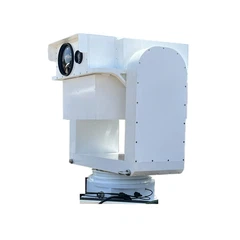
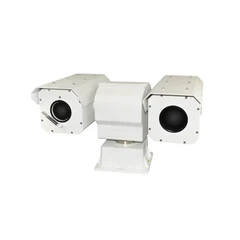
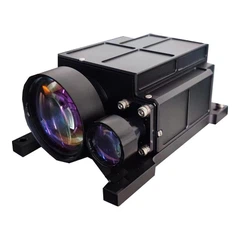
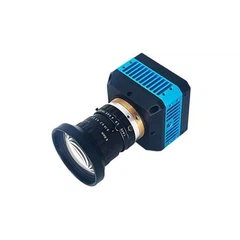
A thermal imaging camera is a handheld electronic device used to detect temperature or heat and display it as an image or a color map. The camera captures and creates an image of an object to represent the temperature gradient across it by using the infrared radiations emitted by that object.
The color map represents areas of high and low temperatures, displaying the warmer regions as red, orange and yellow colors, moderate regions (room temperature) as green, and cooler regions as purple and blue colors. Some infrared cameras also display the temperatures in the image as just black and white regions for finer detail.
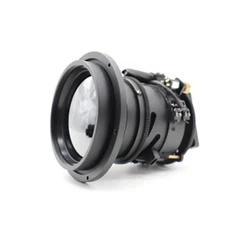
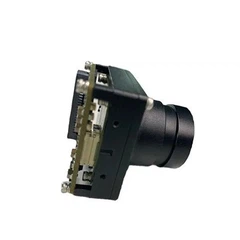
The heat is detected by a heat sensor that is attached to the camera’s lens. The image generated by the thermal camera can be used to identify and analyze regions of excessive temperature, sources of wasted heat energy, overheating components, and even potential thermal insulation gaps.
A major advantage of the thermal imaging camera is the ability to convert infrared radiation, which is invisible to a naked eye, into wavelengths of visible colors on the electromagnetic spectrum that can conveniently be perceived and analyzed.