


Zoom precision is a critical parameter when it comes to motorized zoom lenses, especially in the context of modern imaging applications. As a supplier of motorized zoom lenses, I am often asked about what exactly zoom precision means and why it matters so much. In this blog post, I'll delve into the concept of zoom precision, its significance, and how it relates to the performance of our motorized zoom lenses.
Understanding Zoom Precision
Zoom precision refers to the ability of a motorized zoom lens to accurately and reproducibly change its focal length to a desired setting. In simpler terms, it's about how well the lens can zoom in or out to a specific magnification level and stay there consistently. This precision is measured in terms of the lens's ability to reach a target focal length within a certain tolerance range.
For example, if a user wants to set the lens to a focal length of 50mm, the zoom precision determines how close the actual focal length will be to that 50mm target. A high - precision lens might be able to achieve a focal length within ±0.1mm of the target, while a lower - precision lens could have a tolerance of ±1mm or more.
Factors Affecting Zoom Precision
Several factors can influence the zoom precision of a motorized zoom lens.
Motor Quality
The motor is the heart of a motorized zoom lens. High - quality motors offer better control over the movement of the lens elements. Stepper motors are commonly used in motorized zoom lenses due to their ability to move in precise steps. The step resolution of the stepper motor directly impacts the zoom precision. A motor with a higher step resolution can move the lens elements more precisely, resulting in better zoom accuracy.
Lens Design
The mechanical design of the lens plays a crucial role in zoom precision. The way the lens elements are mounted and the quality of the guiding mechanisms affect how smoothly and accurately the elements can move during zooming. A well - designed lens with minimal play or backlash in its mechanical parts will have better zoom precision. Backlash, which is the amount of free movement in a mechanical system before motion is transmitted, can cause inaccuracies in zooming. For instance, if there is too much backlash in the zoom mechanism, the lens may overshoot or undershoot the desired focal length.


Control System
The control system that commands the motor to move the lens elements also affects zoom precision. Advanced control algorithms can compensate for factors such as motor inertia and mechanical friction. These algorithms can adjust the motor's movement in real - time to ensure that the lens reaches the desired focal length as accurately as possible. Additionally, the communication between the control system and the motor should be reliable to avoid any signal interference or delays that could lead to imprecise zooming.
Significance of Zoom Precision
Image Quality
Zoom precision is directly related to image quality. When a lens can accurately reach the desired focal length, it ensures that the image is in focus and has the correct magnification. In applications such as surveillance, where clear and sharp images are essential, even a small deviation in focal length can result in blurry or distorted images. For example, in a long - range surveillance scenario, if the zoom precision is poor, the details of a distant object may not be clearly visible, making it difficult to identify potential threats.
Consistency
In many imaging applications, consistency is key. For example, in industrial inspection, multiple images of the same object may need to be taken at the same magnification for accurate analysis. A motorized zoom lens with high zoom precision can ensure that each image is taken at the exact same focal length, providing consistent results. This consistency is also important in scientific research, where repeatable imaging conditions are necessary for validating experimental results.
Compatibility with Other Systems
In complex imaging setups, motorized zoom lenses often need to work in conjunction with other devices such as cameras, image sensors, and software. High zoom precision ensures that the lens can integrate seamlessly with these other components. For example, if a camera's autofocus system relies on a precise zoom setting, a lens with poor zoom precision may cause the autofocus to malfunction, resulting in out - of - focus images.
Our Motorized Zoom Lenses and Zoom Precision
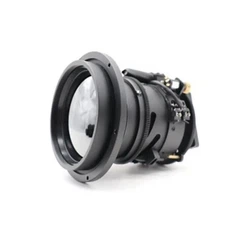
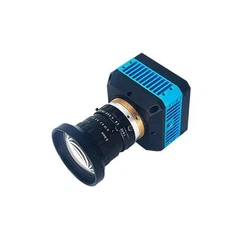
As a supplier of motorized zoom lenses, we understand the importance of zoom precision. Our lenses are designed with high - quality stepper motors that offer excellent step resolution. This allows for precise control of the lens elements during zooming. We also pay close attention to the mechanical design of our lenses, minimizing backlash and ensuring smooth movement of the elements.
Our control systems are equipped with advanced algorithms that compensate for various factors that could affect zoom precision. These algorithms continuously monitor the movement of the lens elements and make real - time adjustments to ensure accurate zooming. Whether you are using our lenses for surveillance, industrial inspection, or scientific research, you can rely on the high zoom precision of our products to deliver consistent and high - quality images.
Applications and Our Products
Surveillance
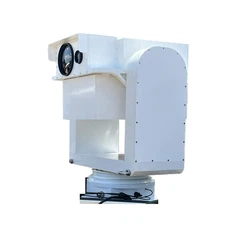
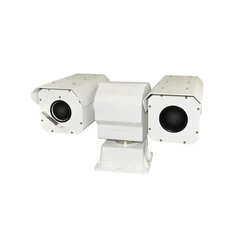
In surveillance applications, our motorized zoom lenses are widely used. For example, in maritime surveillance, the Thermal Security Camera For Maritime Use equipped with our high - precision motorized zoom lens can provide clear and detailed images of vessels and other objects at sea. The zoom precision ensures that operators can zoom in on specific targets accurately, even from a long distance, enhancing the overall security and monitoring capabilities.
Handheld Thermal Imaging
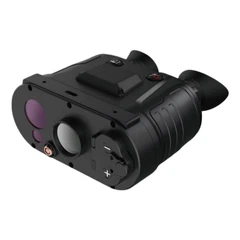
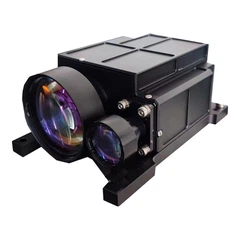
Our motorized zoom lenses are also suitable for handheld thermal imaging devices. The 640 384 Uncooled Thermal Vision Sight Compact Model benefits from the zoom precision of our lenses. Hunters, security personnel, and outdoor enthusiasts can use these devices to zoom in on objects of interest with high accuracy, providing them with a clear view in low - light or challenging environmental conditions.
Observation
In observation applications, such as wildlife monitoring or long - range viewing, our lenses offer excellent performance. The 384 640 Wide - angle Smart Dual Spectrum Smart Pan Tilt with our motorized zoom lens allows users to adjust the zoom level precisely, capturing detailed images of distant subjects.
Contact Us for Procurement
If you are in the market for high - precision motorized zoom lenses, we would love to hear from you. Whether you have specific requirements for a particular application or need advice on choosing the right lens, our team of experts is ready to assist you. Contact us to start a procurement discussion and find out how our motorized zoom lenses can meet your imaging needs.
References
- Smith, J. (2018). "Advances in Motorized Zoom Lens Technology." Journal of Optical Engineering.
- Johnson, A. (2019). "The Importance of Zoom Precision in Imaging Systems." Imaging Science Review.
- Brown, C. (2020). "Design Considerations for High - Precision Motorized Zoom Lenses." Mechanical Engineering Journal.