

Hey there! As a supplier of LWIR (Long-Wave Infrared) Zooming Lenses, I often get asked about the durability of these lenses. So, I thought I'd take some time to share my insights on this topic.
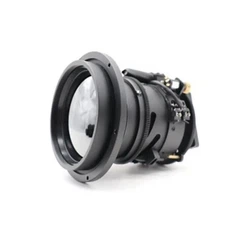
First off, let's talk about what LWIR Zooming Lenses are and why durability matters. LWIR Zooming Lenses are used in a variety of applications, from military and surveillance to industrial and scientific research. These lenses are designed to capture infrared light in the long-wave spectrum, which allows them to see in the dark, through smoke and fog, and detect heat signatures.
Durability is crucial for LWIR Zooming Lenses because they are often used in harsh environments. Whether it's extreme temperatures, high humidity, dust, or vibrations, these lenses need to be able to withstand the elements and keep performing at their best. A durable lens not only ensures reliable operation but also reduces the need for frequent replacements, saving you time and money in the long run.
Factors Affecting the Durability of LWIR Zooming Lenses
1. Material Quality
The materials used in the construction of LWIR Zooming Lenses play a significant role in their durability. High-quality materials, such as germanium, silicon, and zinc selenide, are commonly used because they have excellent infrared transmission properties and are resistant to thermal shock and mechanical stress. These materials are also less likely to crack or break under normal operating conditions.
2. Lens Coating
Lens coatings are applied to the surface of the lens to improve its performance and protect it from damage. Anti-reflective coatings reduce glare and improve image clarity, while hard coatings provide scratch resistance. Some coatings also offer protection against environmental factors, such as moisture and dust. A well-coated lens is more likely to maintain its performance over time and resist damage from wear and tear.


3. Mechanical Design
The mechanical design of the lens is another important factor in its durability. A well-designed lens will have a robust housing that protects the internal components from physical damage. It will also have a smooth and reliable zoom mechanism that can withstand repeated use without losing its accuracy. Additionally, the lens should be designed to minimize the effects of vibrations and shocks, which can cause misalignment and damage to the optics.
4. Environmental Conditions
The environment in which the lens is used can have a significant impact on its durability. Extreme temperatures, high humidity, dust, and vibrations can all cause damage to the lens over time. For example, high temperatures can cause the lens materials to expand and contract, which can lead to cracking or misalignment. High humidity can cause corrosion and damage to the lens coatings. Dust and debris can scratch the lens surface and reduce its performance. Therefore, it's important to choose a lens that is designed to operate in the specific environmental conditions of your application.
Testing and Certification
To ensure the durability of our LWIR Zooming Lenses, we subject them to a series of rigorous tests. These tests simulate the harsh conditions that the lenses may encounter in real-world applications. For example, we test the lenses for thermal shock resistance by exposing them to rapid temperature changes. We also test them for vibration and shock resistance by subjecting them to high levels of vibrations and shocks.
In addition to our in-house testing, our lenses are also certified to meet various industry standards. These certifications ensure that our lenses meet the highest quality and durability requirements. For example, our lenses may be certified to meet military standards, which require them to withstand extreme environmental conditions and perform reliably in combat situations.
Real-World Applications
Let's take a look at some real-world applications where the durability of LWIR Zooming Lenses is crucial.
1. Military and Surveillance
In military and surveillance applications, LWIR Zooming Lenses are used to detect and track targets in the dark, through smoke and fog, and over long distances. These lenses need to be able to withstand the harsh conditions of the battlefield, including extreme temperatures, high humidity, dust, and vibrations. A durable lens ensures reliable operation and accurate target detection, which is essential for the success of military and surveillance missions.
2. Industrial and Scientific Research
In industrial and scientific research, LWIR Zooming Lenses are used to study thermal processes, detect defects in materials, and monitor environmental conditions. These lenses need to be able to operate in a variety of environments, including high-temperature furnaces, clean rooms, and outdoor settings. A durable lens ensures accurate and reliable data collection, which is essential for the success of industrial and scientific research projects.
3. Thermal Imaging Cameras
LWIR Zooming Lenses are also used in thermal imaging cameras, which are used for a variety of applications, such as building inspection, electrical maintenance, and wildlife monitoring. These cameras need to be able to provide clear and accurate images in a variety of lighting conditions. A durable lens ensures that the camera can maintain its performance over time and provide reliable images for years to come.
Related Products
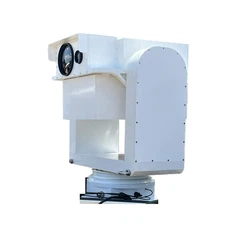
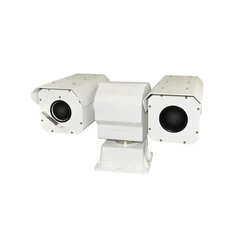
If you're interested in LWIR Zooming Lenses, you may also be interested in some of our related products. For example, we offer Thermal Video Monitoring Pan&Tilt Camera, which is designed for long-range surveillance and monitoring. This camera features a high-resolution thermal sensor and a pan-tilt mechanism that allows you to control the camera's field of view.
We also offer HD 1280x1024 ULL Wide-spectrum Ultra Low Light Core, which is designed for low-light and night-vision applications. This core features a high-sensitivity sensor and a wide-spectrum response that allows you to see in the dark and detect objects that are difficult to see with the naked eye.
Finally, we offer POD-952T Dual-Sensor 2/3 Axes Ultra-Miniature Tactical UAV ISRT Gimbal, which is designed for unmanned aerial vehicles (UAVs). This gimbal features a dual-sensor design that allows you to capture both thermal and visible light images. It also has a 2/3 axes stabilization system that ensures smooth and stable imaging, even in high-speed flight.
Conclusion
In conclusion, the durability of LWIR Zooming Lenses is crucial for their performance and reliability in a variety of applications. By choosing a lens that is made from high-quality materials, has a well-designed mechanical structure, and is tested and certified to meet industry standards, you can ensure that your lens will withstand the harsh conditions of your application and provide reliable performance for years to come.
If you're interested in learning more about our LWIR Zooming Lenses or any of our other products, please don't hesitate to contact us. We'd be happy to discuss your specific requirements and help you choose the right product for your application.
References
- "Infrared Optics: Fundamentals and Applications" by Michael E. Thomas
- "Thermal Imaging: Principles, Practices, and Applications" by David R. Hall
- Military Standards and Specifications for Optics and Electro-Optics