

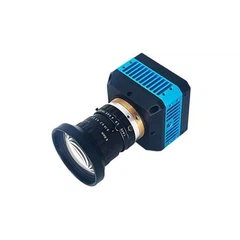

Hey there! As a supplier of SWIR (Short-Wave Infrared) and NIR (Near-Infrared) Wideband Imaging Cores, I often get asked about the cost of these awesome pieces of tech. So, let's dive right into it and break down what goes into the pricing of SWIR and NIR Wideband Imaging Cores.
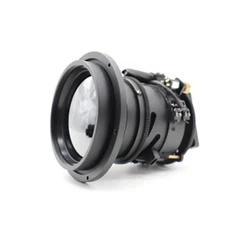
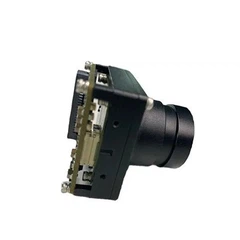
First off, what are SWIR and NIR Wideband Imaging Cores? Well, SWIR operates in the wavelength range of approximately 1 - 3 micrometers, while NIR covers wavelengths from about 0.7 - 1 micrometer. These imaging cores are super useful in a whole bunch of applications. They're used in things like industrial inspection, where they can detect defects in materials that are invisible to the naked eye. In agriculture, they help in monitoring crop health by analyzing the reflectance of plants in these specific wavelength ranges. And in surveillance, they offer enhanced visibility in low - light conditions, making them a go - to for security systems.
Now, let's talk about the factors that influence the cost of these imaging cores.
1. Technology and R & D
Developing SWIR and NIR Wideband Imaging Cores is no walk in the park. It involves a ton of research and development. Scientists and engineers have to work hard to design sensors that can accurately detect and capture light in these specific wavelength ranges. The materials used in these sensors are often quite specialized and expensive. For example, some SWIR sensors use indium gallium arsenide (InGaAs), which is not only costly to produce but also requires precise manufacturing processes. All this R & D work adds up to the overall cost of the imaging cores.
2. Manufacturing Complexity
The manufacturing process of these imaging cores is highly complex. It requires cleanroom environments to prevent any contamination that could affect the performance of the sensors. The production involves multiple steps, such as wafer fabrication, packaging, and testing. Each step has to be carried out with extreme precision. Any error in the manufacturing process can lead to defective products, which means wasted resources and increased costs. The more complex the manufacturing process, the higher the price tag on the final product.


3. Performance Specifications
The performance of SWIR and NIR Wideband Imaging Cores can vary widely. Factors like resolution, sensitivity, and dynamic range play a big role in determining the cost. Higher - resolution imaging cores can capture more detailed images, which is great for applications like high - end surveillance or scientific research. However, achieving higher resolution requires more advanced technology and better - quality components, which are more expensive. Similarly, imaging cores with high sensitivity can detect very low levels of light, but they also come at a premium.
4. Volume of Production
Just like with any product, the volume of production has a significant impact on the cost. If a company produces a large number of SWIR and NIR Wideband Imaging Cores, they can take advantage of economies of scale. Bulk purchasing of raw materials, more efficient production processes, and spreading the fixed costs over a larger number of units can all lead to lower per - unit costs. On the other hand, if the production volume is low, the cost per unit will be higher.
5. Application - Specific Customization
Many customers require SWIR and NIR Wideband Imaging Cores that are customized for their specific applications. For example, a military surveillance system might need an imaging core with specific features like high - speed data transfer or enhanced durability. Customizing the imaging cores to meet these requirements involves additional engineering work and potentially the use of specialized components. This customization adds to the cost of the product.
So, what does all this mean in terms of actual prices? Well, it's hard to give a one - size - fits - all answer because the cost can vary so much depending on the factors we've just discussed. Generally speaking, basic SWIR and NIR Wideband Imaging Cores can start at a few hundred dollars, but high - end, high - performance, or customized ones can cost several thousand dollars.
Let's take a look at some real - world applications where these imaging cores are used and how the cost factors into the decision - making process.
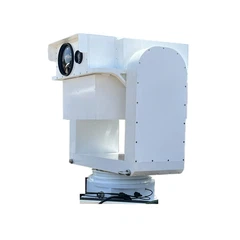
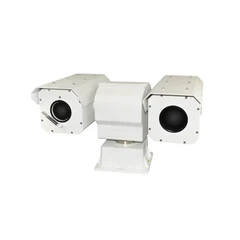
In the surveillance industry, companies are always looking for the best balance between cost and performance. For example, 384 Long - range Surveillance EO PTZ Systems require high - quality imaging cores to provide clear and detailed images over long distances. The cost of the imaging core is just one part of the overall cost of the system, but it's an important one. A company might be willing to pay more for a higher - performance imaging core if it means better security and fewer false alarms.
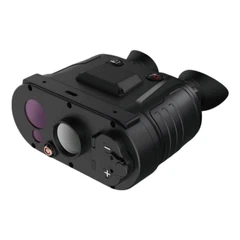
In the thermal imaging field, Long Range Thermal Cameras often incorporate SWIR or NIR Wideband Imaging Cores. These cameras are used for a variety of purposes, from border surveillance to wildlife monitoring. The cost of the imaging core affects the price of the camera, and customers have to decide whether the additional features and performance of a more expensive imaging core are worth the extra cost.
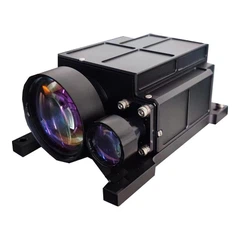
Another application is in laser targeting and ranging systems. 10km Laser Rangefinder Eye - safe systems use SWIR and NIR technology to accurately measure distances. The cost of the imaging core in these systems can impact the affordability and competitiveness of the product in the market.
If you're in the market for SWIR and NIR Wideband Imaging Cores, it's important to consider your specific needs and budget. Don't just go for the cheapest option, as you might end up with a product that doesn't meet your requirements. On the other hand, don't overspend on features that you don't really need.
As a supplier, I understand that cost is a major concern for our customers. That's why we offer a range of SWIR and NIR Wideband Imaging Cores at different price points. Whether you're looking for a basic, cost - effective solution or a high - end, customized product, we've got you covered.
If you're interested in learning more about our SWIR and NIR Wideband Imaging Cores or have any questions about the cost and how it relates to your specific application, I'd love to hear from you. Just reach out to us, and we can start a conversation about your needs. We're here to help you find the best imaging core solution at the right price.
References
- "Infrared Imaging Systems" by John T. Tippet
- "Short - Wave Infrared Imaging: Technology and Applications" by various authors
- Industry reports on SWIR and NIR imaging technology from market research firms.