

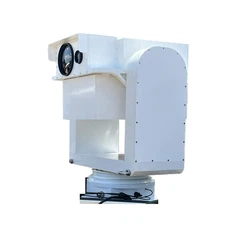
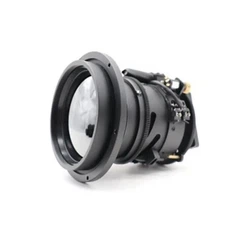
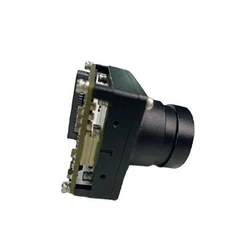
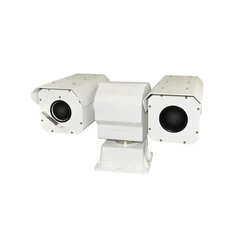
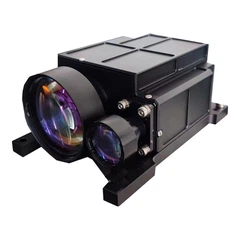
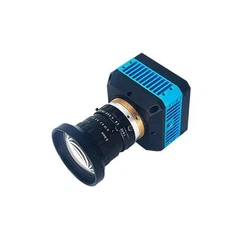

Hey there! As a supplier of handheld thermal imaging equipments, I often get asked if these nifty gadgets can be used for archaeological surveys. Well, let's dive right into it and find out!
First off, what are handheld thermal imaging equipments? They're basically devices that can detect heat signatures and turn them into visible images. You've probably seen them in movies where people use them to spot bad guys in the dark. But they have a whole lot more uses than just that.
Now, when it comes to archaeology, the idea of using thermal imaging isn't brand - new. Archaeologists are always on the lookout for new tools to help them uncover the secrets of the past. And handheld thermal imaging equipments could potentially be a game - changer.
One of the main ways these devices can be useful in archaeological surveys is by detecting subsurface features. Ancient structures, like buried buildings or walls, can have different thermal properties compared to the surrounding soil. For example, if there's a buried stone wall, it might retain heat differently than the loose soil above it. During the day, the sun heats up the ground. The stone wall will heat up and cool down at a different rate than the soil. At night, when the surface starts to cool, the thermal imaging equipment can pick up these temperature differences. This allows archaeologists to see outlines of buried structures that might not be visible to the naked eye.
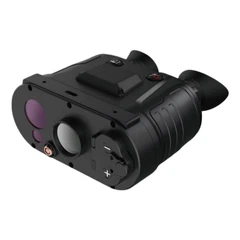
Let's say you're surveying a large archaeological site. Walking around with a Multi - Functional Handheld Thermal Vision Device can give you a quick overview of the area. You can cover a lot of ground in a relatively short time, looking for any signs of subsurface anomalies. It's way more efficient than traditional methods, like digging test pits everywhere.
Another benefit is in detecting old fire pits or hearths. These areas were used for cooking and heating in ancient times. The soil around them can still show signs of the heat exposure even after hundreds or thousands of years. A handheld thermal imaging device can easily spot these areas because the heated soil will have a different thermal signature. This can help archaeologists understand the layout of an ancient settlement and how people lived their daily lives.
But it's not all sunshine and rainbows. There are some limitations to using handheld thermal imaging in archaeological surveys. Weather conditions play a huge role. If it's a cloudy day, the sun might not heat up the ground enough to create significant temperature differences. And if it's been raining, the moisture in the soil can also mess with the thermal readings.
Also, the depth at which these devices can detect subsurface features is limited. They're great for finding things that are relatively close to the surface, but if an ancient structure is buried really deep, the thermal differences might be too small to detect.
Now, let's talk about some of the specific products we offer. The TSR2 Red Dot Infrared Dual Light Sight is a fantastic option. It's lightweight and easy to carry around, making it perfect for long - day archaeological surveys. It has a high - resolution thermal sensor that can pick up even the slightest temperature differences. You can use it in both daylight and low - light conditions, which gives you more flexibility in when and where you can conduct your surveys.
The Thermal Fusion Binocular With LRF LP is another great choice. It combines thermal imaging with a laser rangefinder. This means you can not only see the thermal signatures of potential archaeological features but also measure the distance to them. It's really useful for mapping out a site accurately.
In conclusion, handheld thermal imaging equipments definitely have a place in archaeological surveys. They offer a non - invasive way to quickly identify potential subsurface features and can save a lot of time and effort. While they have their limitations, when used in combination with other archaeological methods, they can provide valuable insights into the past.


If you're an archaeologist or part of an archaeological team, I highly recommend considering these tools for your next survey. They could be the key to uncovering some amazing archaeological discoveries. And if you're interested in purchasing any of our handheld thermal imaging equipments, feel free to reach out to us. We're always happy to talk about how our products can meet your specific needs and help you in your archaeological adventures.
References
- "Thermal Remote Sensing in Archaeology" by some well - known archaeology research group
- "Applications of Handheld Thermal Imaging in Field Surveys" from a scientific journal on survey technologies