

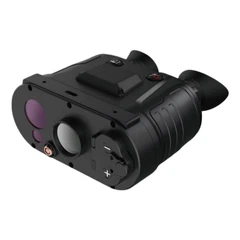
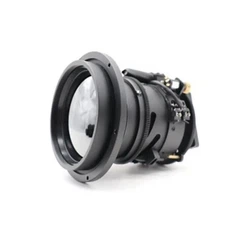
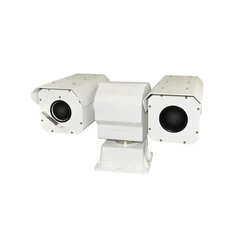
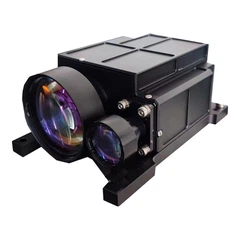
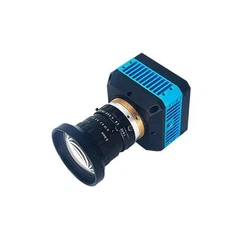

In the world of infrared technology, Medium-Wave Infrared (MWIR) cores stand out as a vital component in various applications. As a supplier specializing in MWIR cores, I've seen firsthand the increasing demand for these devices and the importance of understanding their standards. So, what exactly are the standards for MWIR cores? In this post, I'll break down the key factors and provide some insights based on my experience in the field.
1. Sensitivity and Noise Performance
One of the most critical standards for MWIR cores is their sensitivity, which is often measured by the Noise Equivalent Temperature Difference (NETD). NETD represents the smallest temperature difference that a thermal imaging system can detect. A lower NETD value indicates higher sensitivity, meaning the core can pick up even the subtlest temperature variations. For high - end applications like military surveillance or scientific research, a MWIR core with a NETD in the range of 20 - 40 mK is highly desirable.
Reducing noise is also crucial for improving the overall performance of MWIR cores. Noise can come from various sources, such as the detector itself, read - out integrated circuits (ROICs), and electronics. Advanced manufacturing techniques and signal processing algorithms are employed to minimize noise. For example, the use of low - noise amplifiers in the ROIC design can significantly enhance the signal - to - noise ratio (SNR) of the core.
2. Resolution and Pixel Size
The resolution of an MWIR core is determined by the number of pixels in the detector array. Higher resolutions, such as 640x512 or 1024x768, provide more detailed thermal images, which is essential for applications like target identification and precision monitoring. However, higher resolutions also come with trade - offs, such as increased cost and power consumption.
Pixel size is another important parameter. Smaller pixel sizes allow for more pixels to be packed into a given area, leading to higher resolutions. But smaller pixels can also be more susceptible to noise and have lower sensitivity. A common pixel size for MWIR cores ranges from 12 to 25 µm. When choosing an MWIR core, it's crucial to strike the right balance between resolution and pixel size based on the specific application requirements.
3. Spectral Response
The spectral response of an MWIR core refers to the range of infrared wavelengths that it can detect. The typical wavelength range for MWIR is around 3 to 5 µm. However, the exact spectral response can vary depending on the detector material and the design of the core.
Some applications may require a narrow spectral response to focus on specific thermal signatures. For instance, in environmental monitoring, detecting emissions from industrial sources often requires a core that can precisely detect the wavelengths associated with those pollutants. On the other hand, for general - purpose thermal imaging, a broader spectral response may be more suitable to capture a wider range of temperature information.
4. Frame Rate
Frame rate is the number of complete frames (images) that an MWIR core can capture per second. A higher frame rate is necessary for applications that involve fast - moving objects, such as tracking missiles or monitoring high - speed machinery. Typical frame rates for MWIR cores can range from 30 frames per second (fps) to 100 fps or even higher in some specialized systems.


However, increasing the frame rate can lead to a decrease in sensitivity, as the detector has less time to integrate the thermal signal. Therefore, when specifying the frame rate for an MWIR core, it's important to consider the trade - off between frame rate and sensitivity based on the actual application.
5. Compatibility and Integration
In real - world applications, MWIR cores need to be integrated with other components, such as optics, signal processors, and display units. Standards for compatibility ensure that the core can work seamlessly with these external devices.
For example, the electrical interface of the MWIR core should be compatible with the input requirements of the signal processor. The mechanical design of the core should also allow for easy mounting and alignment with the optics. Additionally, the software protocols used for controlling the core and processing the thermal data should be standardized to facilitate integration.
6. Reliability and Durability
MWIR cores are often used in harsh environments, such as military, aerospace, and industrial settings. Therefore, reliability and durability are important standards. The core should be able to withstand a wide range of temperatures, humidity levels, and mechanical vibrations.
Manufacturers use various techniques to improve the reliability of MWIR cores. This includes hermetically sealing the detector to protect it from moisture and contaminants, using robust packaging materials, and conducting extensive testing during the manufacturing process to ensure long - term performance.
Our Product Range
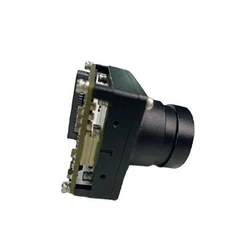
At our company, we offer a wide range of MWIR cores that meet the highest industry standards. In addition to our MWIR cores, we also have other related products in our portfolio. Check out our 640 VGA Shutterless Uncooled LWIR Thermal Image Core, which provides high - quality thermal imaging in the long - wave infrared range.
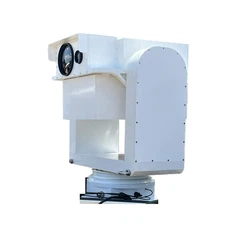
For more advanced applications, we have the E200 2 Axis Gyro Stable Multi Sensor light weight Gimbal. This gimbal is designed to provide stable and accurate positioning for various sensors, including MWIR cores, making it ideal for surveillance and reconnaissance tasks.
Another great option is our C190 2 - axis EO/IR Gimbal. It combines electro - optical and infrared capabilities, offering enhanced situational awareness for unmanned aerial vehicles (UAVs) and other platforms.
Conclusion
In conclusion, the standards for MWIR cores are multifaceted, covering aspects such as sensitivity, resolution, spectral response, frame rate, compatibility, and reliability. Understanding these standards is crucial for both end - users and system integrators when choosing the right MWIR core for their applications.
If you're in the market for high - quality MWIR cores or any of our related products, I encourage you to contact us for a detailed discussion. We're here to help you find the perfect solution that meets your specific requirements. Whether it's for military, industrial, or scientific applications, our team of experts can provide you with the support and guidance you need. Don't hesitate to reach out and start the conversation about your next project.
References
- "Infrared Detectors and Systems" by Manijeh Razeghi and Gerard Rogalski.
- Various research papers on thermal imaging and infrared technology published in leading scientific journals.