


Maintaining IR (Infrared) optics is crucial for ensuring their optimal performance and longevity, especially for those in industries that rely on these high - precision components. As an IR Optics supplier, I've witnessed firsthand the importance of proper maintenance and the impact it can have on the overall efficiency of systems that incorporate IR optics.
Understanding the Basics of IR Optics
Before delving into maintenance, it's essential to understand what IR optics are. IR optics are designed to work with infrared light, which has a longer wavelength than visible light. They are used in a wide range of applications, including thermal imaging, night vision, and laser systems. These optics are made from specialized materials such as germanium, silicon, and zinc selenide, each with unique properties that make them suitable for different IR wavelengths.
Cleaning IR Optics
One of the most fundamental aspects of maintaining IR optics is cleaning. Dust, dirt, fingerprints, and other contaminants can significantly degrade the performance of IR optics. However, cleaning them requires a delicate touch and the right tools.
- Selecting the Right Cleaning Materials
- Lens Cleaning Tissues: Use high - quality, lint - free lens cleaning tissues. These are designed to minimize the risk of scratching the delicate surface of the optics. Avoid using regular paper towels or tissues, as they can leave behind fibers and cause scratches.
- Cleaning Solutions: For light cleaning, a simple solution of isopropyl alcohol and distilled water can be effective. Make sure the isopropyl alcohol is at least 90% pure. Some specialized IR optics may require specific cleaning solutions recommended by the manufacturer.
- Cleaning Procedure
- Blow Off Loose Debris: Before applying any cleaning solution, use a can of compressed air or a soft brush to gently remove any loose dust or debris from the surface of the optics. This step helps prevent scratching during the cleaning process.
- Apply the Cleaning Solution: Moisten the lens cleaning tissue with the cleaning solution. Do not soak it, as excess liquid can seep into the edges of the optics and cause damage.
- Clean in a Circular Motion: Gently wipe the surface of the optics in a circular motion, starting from the center and moving outward. Use light pressure to avoid scratching the surface. Repeat this process until the surface is clean.
Storage of IR Optics
Proper storage is another key factor in maintaining IR optics. When not in use, they should be stored in a clean, dry, and temperature - controlled environment.
- Storage Containers
- Protective Cases: Use specialized protective cases designed for IR optics. These cases should have soft interiors to prevent scratches and should be sealed to keep out dust and moisture.
- Desiccants: Place desiccant packets inside the storage containers to absorb any moisture. Moisture can cause fogging and corrosion of the optics over time.
- Temperature and Humidity Control
- Ideal Temperature Range: IR optics should be stored at a temperature between 10°C and 30°C. Extreme temperatures can cause the materials to expand or contract, leading to stress and potential damage.
- Humidity Levels: Keep the humidity levels below 50%. High humidity can promote the growth of mold and mildew on the surface of the optics.
Inspection of IR Optics
Regular inspection is necessary to detect any signs of damage or degradation early.


- Visual Inspection
- Magnification Tools: Use a magnifying glass or a microscope to inspect the surface of the optics for scratches, cracks, or other visible damage. Pay close attention to the edges and corners, as these areas are more prone to damage.
- Lighting Conditions: Inspect the optics under bright, diffused light. This helps to clearly identify any imperfections on the surface.
- Performance Testing
- Optical Testing Equipment: Use appropriate optical testing equipment to measure the performance of the IR optics. This can include tests for focal length, resolution, and transmission. Any significant deviation from the specifications may indicate a problem.
Handling IR Optics
Proper handling is essential to prevent damage to IR optics.
- Wear Gloves
- Clean Gloves: Wear clean, lint - free gloves when handling IR optics. This helps to prevent fingerprints and other contaminants from coming into contact with the surface.
- Avoid Excessive Force
- Gentle Handling: When installing or removing IR optics from a system, use gentle force. Do not twist or apply excessive pressure, as this can cause damage to the optics or their mounting components.
Common Maintenance Mistakes to Avoid
- Using Abrasive Materials
- Scratching the Surface: Avoid using abrasive materials such as rough cloths or abrasive cleaners. These can scratch the surface of the optics, permanently reducing their performance.
- Over - cleaning
- Damage to Coatings: Over - cleaning can damage the anti - reflective coatings on the surface of the optics. These coatings are essential for reducing reflections and improving transmission.
The Role of Maintenance in Different Applications
- Thermal Imaging Systems
- Accurate Temperature Measurement: In thermal imaging systems, well - maintained IR optics are crucial for accurate temperature measurement. Any degradation in the optics can lead to inaccurate readings, which can be critical in applications such as industrial inspections and medical diagnostics.
- Night Vision Devices
- Enhanced Visibility: For night vision devices, proper maintenance of IR optics ensures enhanced visibility in low - light conditions. Dirty or damaged optics can reduce the clarity and range of the night vision image.
Our Product Range and Maintenance Support
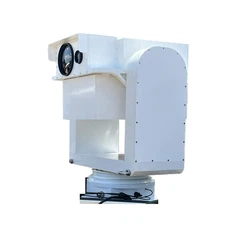
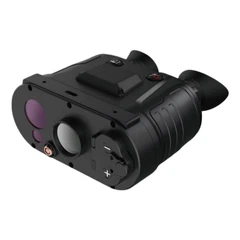
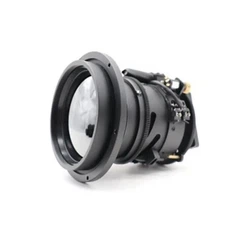
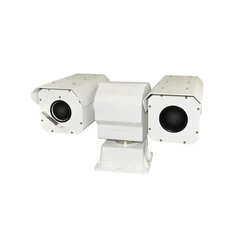
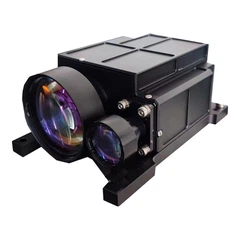
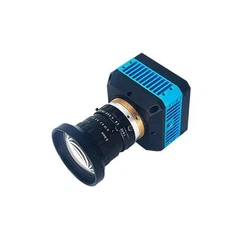
As an IR Optics supplier, we offer a wide range of high - quality IR optics products. For example, our Manual Focusing LWIR Lens is designed for long - wave infrared applications and provides excellent performance. Our Dual - Spectrum 4 Axis EO/IR POD 125 is a versatile solution for integrated video surveillance and reconnaissance, and our 20km Laser Rangefinder Eye - safe is ideal for long - range distance measurement.
We also provide comprehensive maintenance support to our customers. Our team of experts can offer advice on cleaning, storage, and inspection of our IR optics products. We understand that proper maintenance is not only about prolonging the life of the optics but also about ensuring the best performance in your applications.
If you are interested in purchasing our IR optics products or need more information about maintenance, please feel free to contact us for procurement and further discussions. We are committed to providing you with the best solutions for your IR optics needs.
References
- Smith, J. (2018). "Fundamentals of Infrared Optics". Optical Publishing.
- Johnson, A. (2020). "Maintenance Guide for Precision Optics". Optics Journal.
- Brown, C. (2019). "Advanced IR Optics Applications and Maintenance". Infrared Technology Press.