


Do handheld thermal imaging equipments have a night vision mode?
As a supplier of handheld thermal imaging equipments, I often encounter questions from customers about the functionality of these devices, especially regarding the presence of a night - vision mode. In this blog, I'll delve into the details of whether handheld thermal imaging equipments have a night - vision mode, how they work, and their advantages in low - light or nighttime scenarios.
Understanding Thermal Imaging and Night Vision
Before we discuss whether thermal imaging devices have a night - vision mode, it's crucial to understand the differences between thermal imaging and traditional night - vision technology.
Traditional night - vision devices, such as image - intensifier night - vision goggles, work by amplifying available light, including moonlight and starlight. They collect photons from the environment and convert them into electrons, which are then amplified and projected onto a phosphor screen to create a visible image. This type of night - vision technology is highly dependent on the presence of some ambient light.
On the other hand, thermal imaging technology detects the infrared radiation emitted by objects. All objects above absolute zero (- 273.15°C) emit infrared radiation, and the intensity of this radiation is related to the object's temperature. Thermal imaging cameras can detect these differences in infrared radiation and convert them into a visible image, where warmer objects appear brighter and cooler objects appear darker.
Do Handheld Thermal Imaging Equipments Have a Night - Vision Mode?
The short answer is yes, in a sense. Handheld thermal imaging equipments do not have a traditional "night - vision mode" like image - intensifier night - vision devices. However, they are extremely effective in low - light and nighttime conditions, which gives them a similar functionality to night - vision devices.
Since thermal imaging cameras detect heat rather than light, they can operate in complete darkness. They are not affected by the lack of ambient light, making them ideal for use at night, in caves, or in other light - deprived environments. For example, in a forest at night, where traditional night - vision devices might struggle due to limited light, a handheld thermal imaging device can easily detect the heat signatures of animals, humans, or even machinery.
How Thermal Imaging Works at Night
At night, the temperature differences between objects can become more pronounced, which can enhance the performance of thermal imaging devices. For instance, the ground may cool down more quickly than a warm - blooded animal or a running engine. This temperature contrast makes it easier for the thermal imaging camera to distinguish between different objects.
The thermal imaging sensor in a handheld device consists of an array of infrared detectors. These detectors measure the infrared radiation incident on them and convert it into an electrical signal. The signal is then processed by a microprocessor, which creates a visual representation of the temperature distribution in the scene. The resulting image can be displayed on a small screen on the handheld device, allowing the user to see the heat patterns in real - time.
Advantages of Handheld Thermal Imaging Equipments at Night
- Visibility in Total Darkness: As mentioned earlier, thermal imaging devices can provide clear images in complete darkness, where traditional night - vision devices may fail. This makes them invaluable for security personnel, hunters, and wildlife researchers who need to operate at night.
- Detection of Hidden Objects: Thermal imaging can detect objects that are hidden from view by smoke, fog, or foliage. For example, a person hiding behind a bush may not be visible to the naked eye or a traditional night - vision device, but their heat signature will be detectable by a thermal imaging camera.
- Long - Range Detection: Handheld thermal imaging equipments can often detect heat signatures at long distances. This is useful for surveillance purposes, such as monitoring a large area for intruders or tracking game animals.
Applications of Handheld Thermal Imaging Equipments at Night
- Security and Surveillance: Security guards can use handheld thermal imaging devices to patrol large areas at night. They can quickly detect any unauthorized personnel or suspicious activity, even in areas with poor lighting.
- Hunting and Wildlife Observation: Hunters can use thermal imaging to locate game animals in the dark. Wildlife researchers can also use these devices to study the behavior of nocturnal animals without disturbing them.
- Search and Rescue: In search - and - rescue operations at night, thermal imaging can help locate missing persons. The heat signature of a lost hiker or survivor can stand out against the cold background, making it easier for rescuers to find them.
Our Product Offerings
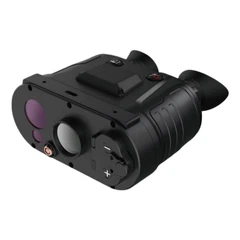
As a supplier of handheld thermal imaging equipments, we offer a range of high - quality products suitable for various applications at night. For example, our Multi - Sensor Thermal Imaging Binocular Professional Version provides exceptional thermal imaging capabilities, allowing users to detect heat signatures at long distances with high precision.


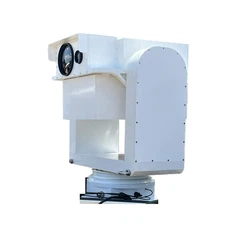
We also have the E200 2 Axis Gyro Stable Multi Sensor light weight Gimbal, which is designed to provide stable and accurate thermal imaging in moving or unstable environments. This is particularly useful for applications such as surveillance from a moving vehicle or a boat.
Another product is the E200C2 Compact 2 - Axis Gyro - Stabilized EO/IR Gimbal ISRT, which is ideal for use on drones. It can provide high - quality thermal imaging during nighttime flights, making it suitable for aerial surveillance and search - and - rescue operations.
Contact Us for Procurement
If you are interested in purchasing handheld thermal imaging equipments for your night - time operations, we invite you to contact us for a detailed discussion. Our team of experts can help you select the right product based on your specific needs and budget. Whether you are a security professional, a hunter, or a researcher, we have the right thermal imaging solution for you.
References
- "Thermal Imaging: Principles, Algorithms, and Applications" by J. R. T. Davies.
- "Night Vision and Thermal Imaging: A Guide to Military and Civilian Uses" by Peter Kokinda.