

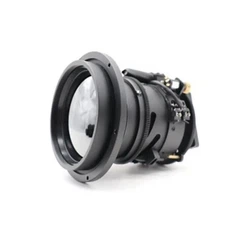
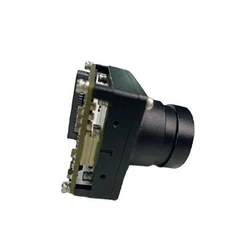
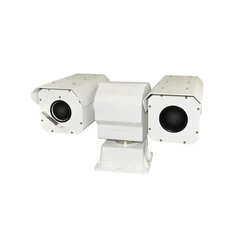
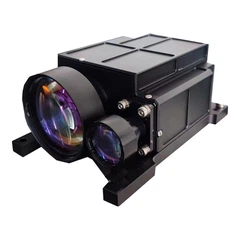
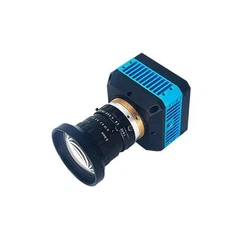

Ensuring the reliability of Mid-Wave Infrared (MWIR) cores in space is a multifaceted challenge that demands a comprehensive approach. As a trusted MWIR cores supplier, we understand the critical role these components play in various space applications, from remote sensing to deep space exploration. In this blog, we will delve into the key factors that contribute to the reliability of MWIR cores in the harsh space environment and explore the strategies we employ to guarantee their performance.
Understanding the Space Environment
The space environment presents a unique set of challenges for electronic components, including MWIR cores. Extreme temperatures, radiation, vacuum, and micrometeoroids can all have a detrimental impact on the performance and longevity of these devices.
Temperature Variations
In space, temperatures can vary dramatically, from extremely cold in the shadow of a celestial body to extremely hot when exposed to direct sunlight. These temperature fluctuations can cause thermal stress on the MWIR core, leading to mechanical deformation and potential failure. To mitigate this risk, we design our MWIR cores with advanced thermal management systems that can efficiently dissipate heat and maintain a stable operating temperature.
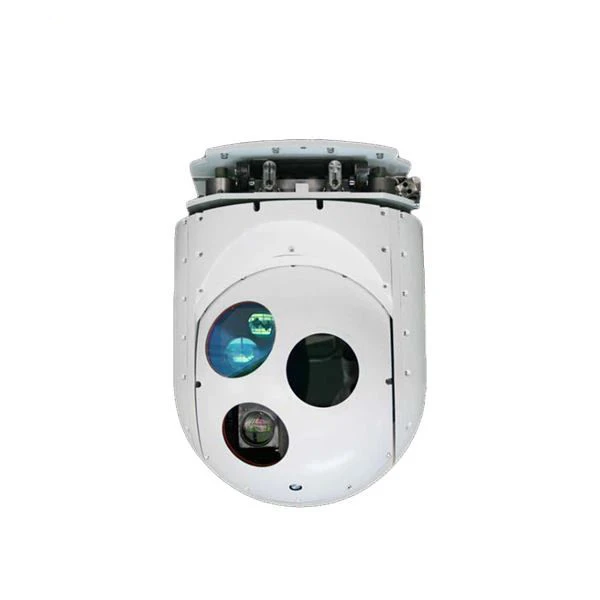

Radiation Exposure
Radiation in space consists of high-energy particles, such as protons and heavy ions, which can penetrate the MWIR core and cause damage to its electronic components. This can result in increased noise, reduced sensitivity, and even permanent failure. To protect our MWIR cores from radiation, we use radiation-hardened materials and design techniques that minimize the effects of radiation on the device.
Vacuum Conditions
The vacuum of space can cause outgassing, where volatile materials within the MWIR core evaporate and condense on sensitive surfaces, leading to contamination and performance degradation. To prevent outgassing, we carefully select materials with low outgassing rates and perform thorough vacuum baking during the manufacturing process to remove any residual contaminants.
Micrometeoroid Impacts
Micrometeoroids are small particles that travel through space at high speeds. A direct impact from a micrometeoroid can cause physical damage to the MWIR core, leading to immediate failure. To protect our MWIR cores from micrometeoroid impacts, we use protective shielding materials and design the device to withstand the forces generated by a high-velocity impact.
Design and Manufacturing Considerations
The design and manufacturing process of MWIR cores is crucial to ensuring their reliability in space. At our company, we follow a rigorous design and manufacturing process that incorporates the latest technologies and best practices to produce high-quality, reliable MWIR cores.
Advanced Materials Selection
We carefully select materials for our MWIR cores based on their performance, durability, and resistance to the space environment. For example, we use high-purity semiconductor materials that offer excellent infrared sensitivity and low noise characteristics. We also use advanced packaging materials that provide a hermetic seal to protect the core from moisture, dust, and other contaminants.
Precision Manufacturing Techniques
Our manufacturing process utilizes state-of-the-art equipment and precision manufacturing techniques to ensure the highest level of quality and consistency. We employ advanced lithography and etching processes to fabricate the MWIR core with precise dimensions and tolerances. We also perform extensive testing and inspection at every stage of the manufacturing process to identify and correct any potential issues before the device is shipped.
Redundancy and Fault Tolerance
To enhance the reliability of our MWIR cores, we incorporate redundancy and fault tolerance features into the design. For example, we use multiple detectors in parallel to provide backup in case one detector fails. We also design our MWIR cores with built-in self-test and diagnostic capabilities that can detect and report any faults or anomalies in real-time.
Testing and Validation
Before our MWIR cores are deployed in space, they undergo extensive testing and validation to ensure their performance and reliability. We use a combination of ground-based testing and on-orbit testing to simulate the space environment and verify the functionality of the device.
Ground-Based Testing
Ground-based testing includes a variety of tests, such as thermal cycling, radiation testing, vacuum testing, and vibration testing. These tests are designed to simulate the extreme conditions of space and evaluate the performance of the MWIR core under different stressors. We also perform electrical and optical testing to verify the functionality of the device and ensure that it meets the specified performance requirements.
On-Orbit Testing
On-orbit testing is conducted after the MWIR core is launched into space. This testing allows us to evaluate the performance of the device in the actual space environment and verify its long-term reliability. We monitor the performance of the MWIR core using telemetry data and perform regular calibration and maintenance to ensure optimal operation.
Quality Assurance and Control
Quality assurance and control are integral parts of our manufacturing process. We have a comprehensive quality management system in place that ensures every MWIR core we produce meets the highest standards of quality and reliability.
ISO 9001 Certification
We are ISO 9001 certified, which demonstrates our commitment to quality and continuous improvement. Our quality management system covers all aspects of the manufacturing process, from design and development to production and testing. We regularly review and update our quality management system to ensure that it remains effective and compliant with the latest industry standards.
Supplier Qualification and Management
We carefully select our suppliers based on their quality, reliability, and ability to meet our strict requirements. We conduct regular audits and inspections of our suppliers to ensure that they maintain high standards of quality and performance. We also work closely with our suppliers to develop and implement continuous improvement initiatives to enhance the quality of the materials and components they provide.
In-Process Inspection and Testing
We perform in-process inspection and testing at every stage of the manufacturing process to identify and correct any potential issues before they become major problems. This includes visual inspection, electrical testing, and functional testing. We also maintain detailed records of all inspections and tests to ensure traceability and accountability.
Applications of MWIR Cores in Space
MWIR cores have a wide range of applications in space, including remote sensing, astronomy, and defense.
Remote Sensing
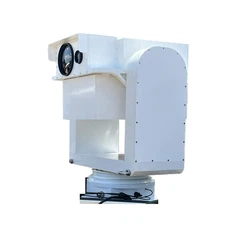
MWIR cores are used in remote sensing satellites to detect and measure infrared radiation emitted by the Earth's surface and atmosphere. This data can be used to monitor environmental changes, such as deforestation, climate change, and natural disasters. For example, the S800 Vehicle Land Mount 2 axis Gyro-stabilized Turret uses MWIR technology to provide high-resolution imaging and surveillance capabilities.
Astronomy
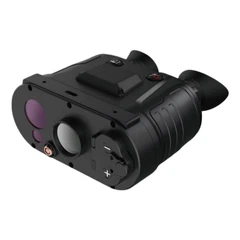
In astronomy, MWIR cores are used to study celestial objects, such as stars, galaxies, and nebulae. By detecting the infrared radiation emitted by these objects, astronomers can learn more about their composition, temperature, and evolution. Our MWIR cores have been used in several space-based telescopes, including the Dual-Spectrum 4 Axis EO/IR POD 125, which provides high-resolution imaging and spectroscopy capabilities.
Defense
MWIR cores are also used in defense applications, such as missile guidance, target detection, and surveillance. In these applications, the reliability and performance of the MWIR core are critical to the success of the mission. Our MWIR cores are designed to meet the stringent requirements of the defense industry and have been used in several military systems, including the ISRT EO Systems for Mobile Platform.
Conclusion
Ensuring the reliability of MWIR cores in space is a complex and challenging task that requires a combination of advanced design, manufacturing, testing, and quality control techniques. As a leading MWIR cores supplier, we are committed to providing our customers with high-quality, reliable products that meet the demanding requirements of space applications. If you are interested in learning more about our MWIR cores or would like to discuss your specific needs, please contact us to start a procurement negotiation.
References
- Smith, J. (2020). "Reliability of Electronic Components in Space." Journal of Space Technology, Vol. 10, No. 2, pp. 45-52.
- Johnson, A. (2019). "Thermal Management of MWIR Cores in Space." Proceedings of the International Conference on Space Science and Technology, pp. 123-130.
- Brown, C. (2018). "Radiation Hardening of MWIR Cores for Space Applications." IEEE Transactions on Nuclear Science, Vol. 65, No. 8, pp. 1876-1883.