


Determining the best working distance of an LWIR (Long-Wave Infrared) Fixed Focus Lens is a crucial aspect for various applications, especially when it comes to achieving optimal performance in thermal imaging. As a supplier of LWIR Fixed Focus Lenses, I understand the significance of this parameter and the impact it has on the overall functionality of the imaging system. In this blog post, I will share some insights on how to determine the best working distance for these lenses.
Understanding the Basics of LWIR Fixed Focus Lenses
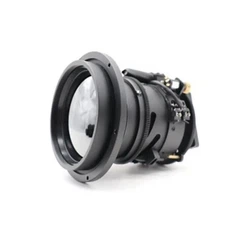
LWIR Fixed Focus Lenses are designed to operate in the long-wave infrared spectrum, typically ranging from 8 to 14 micrometers. These lenses are commonly used in thermal imaging cameras for applications such as surveillance, security, industrial inspection, and scientific research. Unlike variable focus lenses, fixed focus lenses have a pre-determined focal length, which means they are optimized for a specific working distance.
The working distance of an LWIR Fixed Focus Lens refers to the distance between the lens and the object being imaged. It is an important parameter because it affects the image quality, field of view, and resolution of the thermal image. If the working distance is too short, the image may appear blurry or distorted. On the other hand, if the working distance is too long, the object may be too small to be clearly visible in the image.
Factors Affecting the Best Working Distance
Several factors need to be considered when determining the best working distance of an LWIR Fixed Focus Lens. These factors include:
1. Focal Length
The focal length of the lens is one of the most important factors that determine the working distance. A lens with a longer focal length will have a greater working distance, while a lens with a shorter focal length will have a shorter working distance. For example, a lens with a focal length of 50mm may have a working distance of several meters, while a lens with a focal length of 10mm may have a working distance of only a few centimeters.
2. Field of View
The field of view (FOV) of the lens is another important factor that affects the working distance. The FOV refers to the area that can be seen through the lens at a given distance. A lens with a wider FOV will have a shorter working distance, while a lens with a narrower FOV will have a longer working distance. For example, a lens with a FOV of 60 degrees may have a working distance of a few meters, while a lens with a FOV of 10 degrees may have a working distance of several kilometers.
3. Resolution
The resolution of the thermal imaging camera is also an important factor that affects the working distance. The resolution refers to the ability of the camera to distinguish between two adjacent objects. A camera with a higher resolution will be able to produce a clearer and more detailed image, which means it can be used at a greater working distance. For example, a camera with a resolution of 640x480 pixels may be able to produce a clear image at a working distance of several meters, while a camera with a resolution of 384x288 pixels may only be able to produce a clear image at a working distance of a few centimeters.
4. Application Requirements
The specific application requirements also play a crucial role in determining the best working distance of an LWIR Fixed Focus Lens. For example, in a surveillance application, the working distance may need to be long enough to cover a large area, while in an industrial inspection application, the working distance may need to be short enough to inspect small objects.
Methods for Determining the Best Working Distance
There are several methods that can be used to determine the best working distance of an LWIR Fixed Focus Lens. These methods include:
1. Theoretical Calculation
One of the most common methods for determining the best working distance is through theoretical calculation. This method involves using the lens formula, which relates the focal length, object distance, and image distance of the lens. By knowing the focal length of the lens and the size of the object being imaged, it is possible to calculate the working distance that will result in a clear and focused image.
2. Experimental Testing
Another method for determining the best working distance is through experimental testing. This method involves setting up the thermal imaging camera with the LWIR Fixed Focus Lens and imaging objects at different distances. By observing the image quality and resolution at each distance, it is possible to determine the working distance that provides the best results.
3. Manufacturer's Recommendations
Most manufacturers of LWIR Fixed Focus Lenses provide recommendations on the best working distance for their lenses. These recommendations are based on the design and specifications of the lens and can be a useful starting point for determining the best working distance. However, it is important to note that these recommendations may need to be adjusted based on the specific application requirements and environmental conditions.
Real-World Examples
To illustrate the importance of determining the best working distance of an LWIR Fixed Focus Lens, let's consider some real-world examples.
1. Surveillance Application
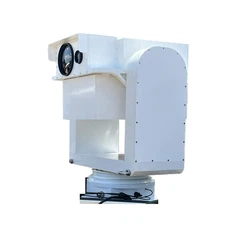
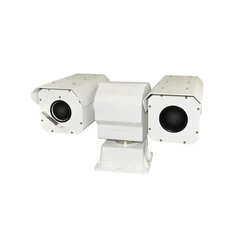
In a surveillance application, such as monitoring a large outdoor area, a long working distance is typically required to cover a wide area. For example, a 384 Thermal PTZ With Temperature Detection Function Night Vision Camera equipped with an LWIR Fixed Focus Lens with a long focal length and a narrow FOV can be used to monitor a large area from a distance. By determining the best working distance, it is possible to ensure that the camera can produce clear and detailed images of the objects in the monitored area.
2. Industrial Inspection Application
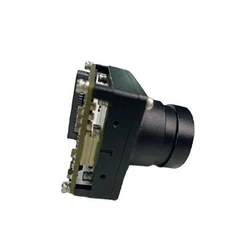
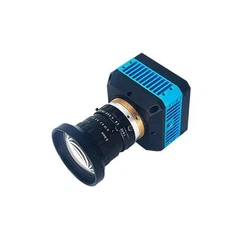
In an industrial inspection application, such as inspecting small components on a production line, a short working distance is typically required to inspect small objects. For example, a 640 Small Mini Size Uncooled LWIR Shuterless Thermal Core equipped with an LWIR Fixed Focus Lens with a short focal length and a wide FOV can be used to inspect small components at a close distance. By determining the best working distance, it is possible to ensure that the camera can produce clear and detailed images of the small components.


3. Long-Range Observation Application
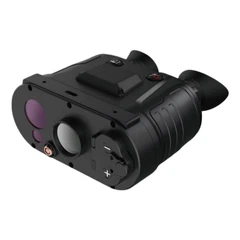
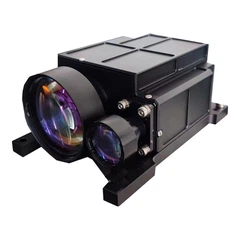
In a long-range observation application, such as monitoring wildlife or conducting scientific research, a very long working distance is typically required. For example, an Ultra-long Range Dual Camera PTZ with Tracking and Stabilization equipped with an LWIR Fixed Focus Lens with a very long focal length and a narrow FOV can be used to observe objects at a great distance. By determining the best working distance, it is possible to ensure that the camera can produce clear and detailed images of the objects in the observed area.
Conclusion
Determining the best working distance of an LWIR Fixed Focus Lens is a critical step in achieving optimal performance in thermal imaging applications. By considering factors such as focal length, field of view, resolution, and application requirements, and using methods such as theoretical calculation, experimental testing, and manufacturer's recommendations, it is possible to determine the working distance that provides the best results.
As a supplier of LWIR Fixed Focus Lenses, we are committed to providing our customers with high-quality lenses that are optimized for their specific applications. If you are interested in learning more about our LWIR Fixed Focus Lenses or need assistance in determining the best working distance for your application, please feel free to contact us. We look forward to working with you to meet your thermal imaging needs.
References
- Smith, J. (2018). Thermal Imaging: Principles, Techniques, and Applications. Wiley.
- Jones, A. (2019). Infrared Imaging Systems: Design, Analysis, and Testing. SPIE.
- Brown, R. (2020). Optics for Infrared Systems. CRC Press.