


Hey there! As a supplier of IR Optics, I've been getting a bunch of questions lately about how to choose the appropriate integration time for IR Optics detectors. So, I thought I'd share some insights based on my experience in the field.
First off, let's talk about what integration time actually is. In simple terms, integration time is the amount of time that an IR detector collects photons from the scene it's looking at. It's like the shutter speed on a camera. The longer the integration time, the more photons the detector can gather, which generally means a better signal-to-noise ratio (SNR) and a clearer image. But there's a catch. If the integration time is too long, you might run into issues like saturation, where the detector gets overwhelmed with photons and can't accurately measure the incoming light.
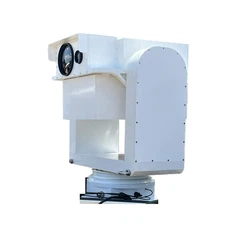
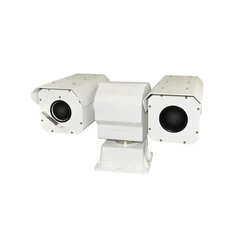
Now, why does choosing the right integration time matter? Well, it can have a huge impact on the performance of your IR system. Whether you're using an Outdoor Thermal Camera for surveillance or a high-end cooled camera module for scientific research, getting the integration time right can mean the difference between a useful image and a blurry, noisy mess.
So, how do you go about choosing the appropriate integration time? Here are some factors to consider:


Scene Brightness
The brightness of the scene you're imaging is one of the most important factors. If you're looking at a very bright scene, like the sun shining on a hot object, you'll need a shorter integration time to avoid saturation. On the other hand, if you're in a low-light environment, like a dark room or at night, you'll probably need a longer integration time to get enough photons for a clear image.
For example, let's say you're using an IR camera to monitor a building at night. The building might not be very bright, so you'll want to increase the integration time to capture as many photons as possible. But if you're using the same camera to look at a hot engine during the day, you'll need to reduce the integration time to prevent the detector from saturating.
Detector Characteristics
Different IR detectors have different characteristics, and these can affect the optimal integration time. Some detectors are more sensitive than others, which means they can collect more photons in a shorter amount of time. Others might have a higher dynamic range, which allows them to handle a wider range of light levels without saturating.
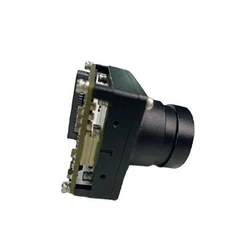
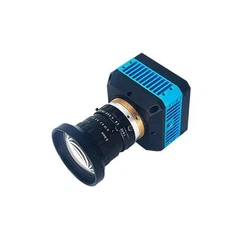
Take a look at the CMST-6 SCORPI0 Mid-Wave Cooled 640 Camera Module (T2SL)Datasheet. It provides detailed information about the detector's sensitivity, dynamic range, and other important parameters. By understanding these characteristics, you can make a more informed decision about the integration time.
Frame Rate Requirements
Another factor to consider is the frame rate you need. The frame rate is the number of images the camera can capture per second. If you need a high frame rate, like for real-time monitoring or tracking, you'll probably need to use a shorter integration time. This is because a shorter integration time allows the detector to reset and start collecting photons for the next frame more quickly.
However, if you're not in a hurry and can afford to wait for a higher-quality image, you can increase the integration time and sacrifice some frame rate. For example, if you're doing static imaging or long-term monitoring, you might not need a high frame rate, so you can use a longer integration time to get a clearer image.
Noise Considerations
Noise is always a concern in IR imaging. There are different types of noise, such as thermal noise, readout noise, and shot noise. The integration time can affect the amount of noise in the image. Generally, a longer integration time can reduce the relative contribution of some types of noise, like readout noise, because it allows the detector to average out the noise over a longer period of time.
But if the integration time is too long, you might introduce other types of noise, like dark current noise, which can increase with longer integration times. So, you need to find a balance between reducing noise and avoiding saturation.
Practical Tips for Choosing Integration Time
Now that we've covered the factors to consider, here are some practical tips for choosing the appropriate integration time:
- Start with the Manufacturer's Recommendations: Most IR detector manufacturers provide recommended integration times based on the detector's specifications and typical operating conditions. These recommendations are a good starting point, but you might need to adjust them based on your specific application.
- Perform Test Runs: Before using the IR system in a real-world application, it's a good idea to perform some test runs. Try different integration times and see how they affect the image quality. You can also use software tools to analyze the images and measure the SNR and other performance metrics.
- Use Auto-Adjustment Features: Many modern IR cameras have auto-adjustment features that can automatically optimize the integration time based on the scene brightness. These features can be very useful, especially if you're new to IR imaging or if the scene brightness changes frequently.
- Monitor the Image in Real-Time: While you're using the IR system, monitor the image in real-time. Look for signs of saturation, such as bright spots or washed-out areas, and adjust the integration time accordingly. You can also use the camera's histogram or other diagnostic tools to get a better understanding of the image quality.
Conclusion
Choosing the appropriate integration time for IR Optics detectors is a complex but important task. By considering factors like scene brightness, detector characteristics, frame rate requirements, and noise considerations, you can make an informed decision and get the best possible performance from your IR system.
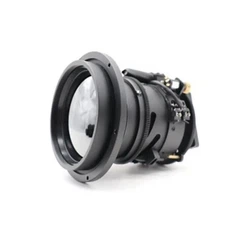
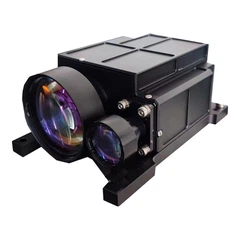
If you're in the market for IR Optics products or have any questions about integration time or other aspects of IR imaging, feel free to reach out. We're here to help you find the right solutions for your needs. Whether you're interested in our Outdoor Thermal Camera, CMST-6 SCORPI0 Mid-Wave Cooled 640 Camera Module (T2SL), or 640 X 512 MCT Anti-shock MWIR Thermal Image Core 20x Zoom CMP620, we've got you covered. Let's start a conversation and see how we can work together to meet your requirements.
References
- "Infrared Detectors and Systems" by Richard D. Hudson
- Manufacturer's datasheets for various IR detectors and cameras