

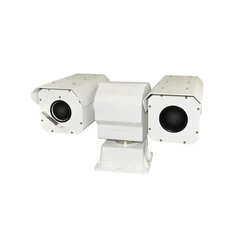

In recent years, wildlife monitoring has become an increasingly important field, crucial for conservation efforts, ecological research, and understanding the impacts of human activities on natural habitats. As a supplier of 384 Long - range Surveillance EO PTZ (Electro - Optical Pan - Tilt - Zoom) Systems, I often get asked whether our systems can be effectively used for wildlife monitoring. In this blog, I will explore this question in detail, delving into the features of these systems, their applicability in different wildlife monitoring scenarios, and the benefits they bring to the field.
Understanding 384 Long - range Surveillance EO PTZ Systems
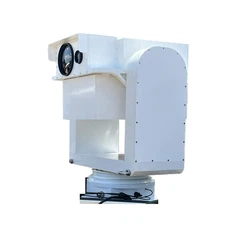
The 384 Long - range Surveillance EO PTZ Systems are advanced surveillance tools equipped with high - resolution electro - optical cameras. The "384" typically refers to the sensor resolution, offering a good balance between image quality and cost - effectiveness. These systems are designed to provide long - range, continuous, and accurate monitoring capabilities. They come with pan, tilt, and zoom functions, allowing operators to cover a wide area and focus on specific targets of interest.
The electro - optical camera technology in these systems offers clear, real - time visual data. During the day, they can capture detailed color images, which are essential for species identification, behavioral observations, and tracking the movement of animals. At night, depending on the model and additional features, they can still be effective. Some systems are equipped with low - light sensors or infrared capabilities to detect animals in the dark.
Applicability in Wildlife Monitoring Scenarios
Large - Scale Habitats
For large wildlife habitats such as national parks, vast grasslands, or dense forests, traditional monitoring methods like on - foot surveys or limited - range cameras have limitations. The long - range capabilities of 384 Long - range Surveillance EO PTZ Systems make them ideal for covering large areas. They can be strategically placed on elevated platforms, such as towers or high points in the terrain, to provide a bird's - eye view of the area. This allows researchers and conservationists to monitor the movement patterns of large herds of animals, such as wildebeests in the African savannah or deer in North American forests.
Nocturnal Wildlife
Many wildlife species are nocturnal, and studying their behavior is a significant challenge. Our EO PTZ Systems can be configured with appropriate night - vision technologies. For example, the near - infrared or thermal imaging functions can detect the heat signatures of animals in the dark. This is particularly useful for monitoring elusive nocturnal animals like foxes, badgers, and some species of bats. By continuously monitoring their activities at night, we can gain a better understanding of their hunting, mating, and social behaviors.
Endangered Species Monitoring
Endangered species often require close and continuous monitoring to ensure their survival. 384 Long - range Surveillance EO PTZ Systems can be set up in the habitats of endangered animals to track their population size, health, and behavior. With the zoom function, researchers can observe the animals from a distance without disturbing them. For instance, in the case of mountain gorillas, which are extremely sensitive to human presence, these systems can be used to monitor their family groups, feeding habits, and any signs of potential threats without direct interference.
Key Features Beneficial for Wildlife Monitoring
High - Resolution Imaging
The high - resolution sensors of 384 Long - range Surveillance EO PTZ Systems allow for detailed image capture. This is crucial for accurately identifying different wildlife species, especially those with similar appearances. For example, in a wetland area, it can be difficult to distinguish between different species of waterfowl. The clear images provided by our systems can help researchers identify the specific species based on their plumage, beak shape, and other physical characteristics.
Pan - Tilt - Zoom Flexibility
The pan, tilt, and zoom functions provide great flexibility in monitoring. Operators can quickly adjust the camera's position and magnification to follow the movement of animals. This is particularly useful when observing fast - moving animals, such as cheetahs in the wild. The ability to zoom in and out also allows for both wide - area surveillance to get an overview of the habitat and close - up observations of individual animals or small groups.
Remote Operation and Connectivity
Most of our 384 Long - range Surveillance EO PTZ Systems can be remotely operated. This means that researchers and conservationists can monitor wildlife from a safe and convenient location, such as a research station or an office. Additionally, the systems can be connected to a network, enabling real - time data transmission and storage. This allows multiple users to access the data simultaneously, facilitating collaborative research and monitoring efforts.
Complementary Technologies in the Ecosystem
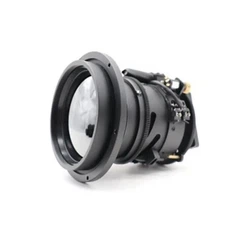
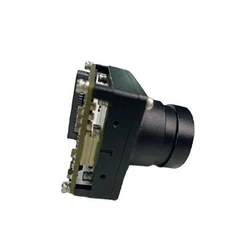
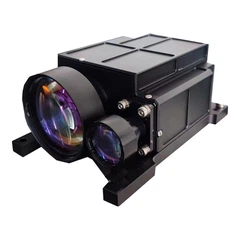
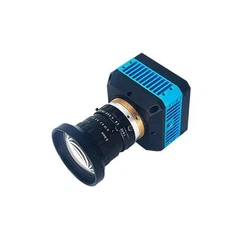
We also offer other products that can complement the 384 Long - range Surveillance EO PTZ Systems in wildlife monitoring. For example, the CMLM6 LEO Type Mid - Wave Cooled 640 Camera Module (MCT) Datasheet provides enhanced thermal imaging capabilities. In low - light or completely dark conditions, thermal imaging can be a powerful tool for detecting animals based on their body heat. It can also help in identifying the presence of animals hidden in vegetation or underground.
The E200 2 Axis Gyro Stable Multi Sensor light weight Gimbal can be used in conjunction with the EO PTZ Systems to provide more stable and accurate imaging. It reduces the impact of vibrations and movements, ensuring that the images captured are clear and sharp, even in challenging environmental conditions.
Moreover, the Anti - drone RF Sensors can be useful in safeguarding the wildlife monitoring area. In some cases, unauthorized drones can pose a threat to wildlife by disturbing their natural behavior or causing stress. These sensors can detect the presence of drones in the area and alert the operators, allowing them to take appropriate action.
Benefits of Using 384 Long - range Surveillance EO PTZ Systems for Wildlife Monitoring
Data - Driven Conservation
The 384 Long - range Surveillance EO PTZ Systems provide a wealth of data that can be used for evidence - based conservation strategies. By analyzing the long - term data on animal populations, movement patterns, and habitat use, conservationists can make informed decisions about habitat protection, anti - poaching measures, and wildlife management.
Cost - Effectiveness
Compared to traditional monitoring methods that may involve a large number of personnel and resources, these systems offer a cost - effective solution. Once installed, they can operate continuously with minimal maintenance, providing long - term monitoring capabilities at a relatively low cost per unit of data collected.
Reduced Human Disturbance
As mentioned earlier, the ability to monitor wildlife remotely reduces the direct human presence in the habitat. This is essential for maintaining the natural behavior of animals and for minimizing the potential negative impacts of human activities on the ecosystem.
Contact for Procurement and Collaboration
If you are involved in wildlife monitoring projects, whether you are a research institution, a conservation organization, or a government agency, our 384 Long - range Surveillance EO PTZ Systems can be a valuable addition to your monitoring toolkit. We are committed to providing high - quality products and excellent customer service. Contact us to discuss your specific requirements, and we can work together to develop a customized solution for your wildlife monitoring needs.
References
Helldin, M., & Moe, S. R. (2016). Using thermal imaging cameras for wildlife monitoring: A review of methods and applications. Remote Sensing in Ecology and Conservation, 2(2), 104 - 117.
Linkie, M., & Ridout, M. S. (2011). Camera - trapping studies in wildlife research: Past accomplishments and future possibilities. Ecology and Evolution, 1(6), 1107 - 1119.
O'Connell, A. F., Nichols, J. D., & Karanth, K. U. (2010). Camera - trapping for animal ecology: Confounding effects and sampling designs. Springer Science & Business Media.

