

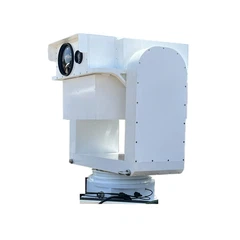
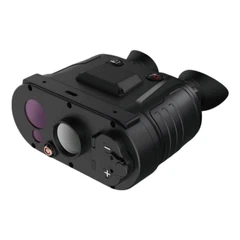
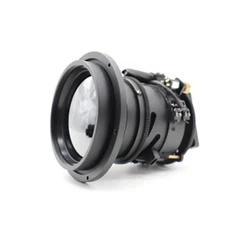
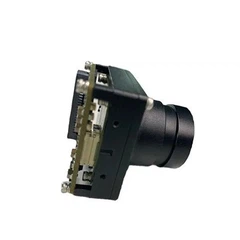
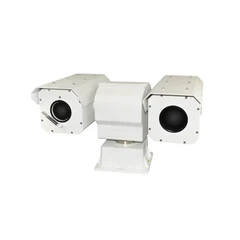
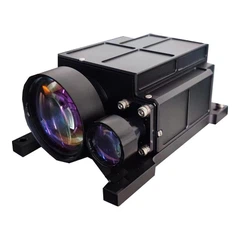
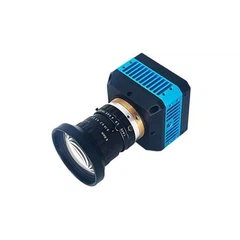

The LWIR core can have the following applications in thermal imaging cameras:
1. Surveillance and Security: LWIR thermal imaging cameras can be used for surveillance and security applications, such as monitoring and detection at night or in bad weather. This camera can capture Infrared radiation that is invisible to the human eye, allowing you to clearly capture targets in darkness or fog.
2. Search and rescue: LWIR thermal: imaging cameras can be used for search and rescue applications, such as search and rescue at disaster scenes (such as earthquakes, fires, etc.). This camera can Quickly detect heat sources and help rescuers find trapped people or animals.
3. Industrial inspection: LWIR thermal imaging cameras can be used for industrial inspection applications, such as detecting temperature abnormalities or faults on production lines or equipment. This camera can quickly detect Detect hot or cold spots on equipment to help companies improve production efficiency and product quality.
4. Wildlife observation: LWIR thermal imaging cameras can be used for wildlife observation applications, such as observing animal behavior and activities in the wild. This camera can be used at night Or clearly capture thermal images of animals in bad weather, helping researchers understand the animals’ living habits and behavioral patterns.
5. Infrared remote sensing: LWIR thermal imaging cameras can be used for infrared remote sensing applications, such as infrared radiation measurement and monitoring in the fields of meteorology, environmental protection, agriculture, etc. This kind of photography The machine can capture the thermal radiation of water vapor, pollutants and other substances in the atmosphere, helping scientists and researchers understand the status and changes of the atmosphere and environment.
It should be noted that the application of LWIR thermal imaging cameras needs to comprehensively consider its performance, resolution, sensitivity and other factors, as well as the needs and limitations of actual application scenarios. At the same time, for different application scenarios, it is necessary to choose appropriate lenses, filters, temperature compensation and other accessories to optimize the performance and accuracy of the system.