









Hey there! As a supplier of handheld thermal imaging equipments, I often get asked about the viewing angle of these nifty gadgets. So, let's dive right in and break it down.
What Exactly is the Viewing Angle?
The viewing angle of a handheld thermal imaging equipment is basically how much of the world around you the device can "see" at one time. It's measured in degrees, and it gives you an idea of the horizontal and sometimes vertical span of what you can capture in a single frame. Think of it like your field of view when you look out through a pair of binoculars. A wider viewing angle means you can take in more of the scene without having to move the device around as much.
Why is the Viewing Angle Important?
Well, it depends on what you're using the thermal imaging equipment for. If you're out in the wild, tracking game, a wider viewing angle can be a real game - changer. You can spot animals moving in the underbrush over a larger area, which gives you a better chance of getting a clear view before they disappear. In a security situation, say monitoring a large perimeter, a wider viewing angle allows you to cover more ground with one sweep of the device. It saves time and gives you a more comprehensive view of what's going on.
On the flip side, a narrower viewing angle can be useful for more detailed observations. If you're trying to inspect a specific object from a distance, like a faulty electrical component in a large industrial facility, a narrow angle lets you focus in and get a clear thermal image of just that one thing.
Factors Affecting the Viewing Angle
Lens Design
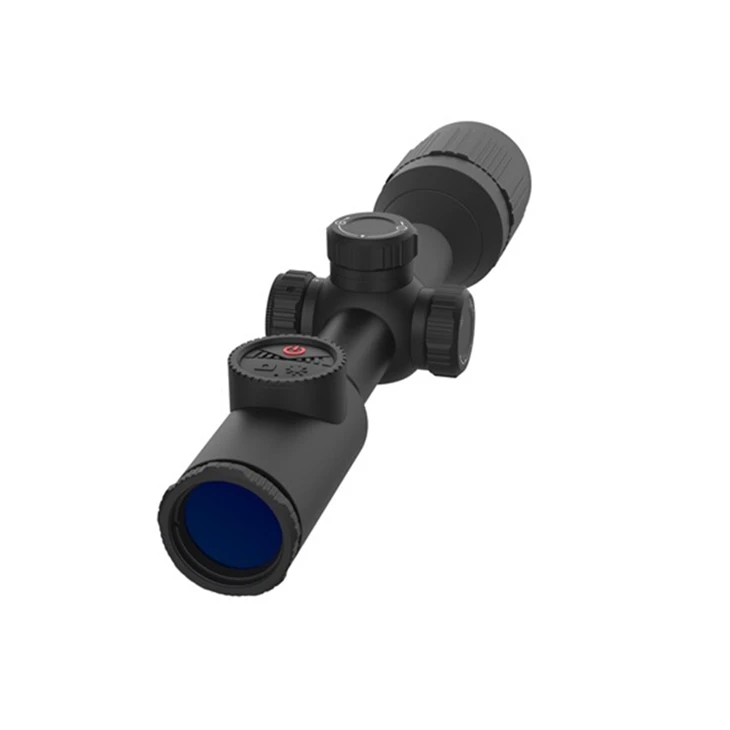
The type of lens used in the thermal imaging equipment plays a huge role. Lenses with a shorter focal length generally provide a wider viewing angle. It's similar to how a wide - angle lens on a regular camera can capture a broader scene. Our 384 640 Uncooled Thermal Vision Sight is designed with a high - quality lens that offers a decent viewing angle, making it great for both general surveillance and wildlife tracking.

Sensor Size
The size of the thermal sensor inside the device also impacts the viewing angle. A larger sensor can capture more of the infrared radiation coming in from a wider area, giving you a wider view. In our 384 640 Uncooled Thermal Vision Tube Model, we've used a state - of - the - art sensor that, combined with the right lens, provides an optimal viewing angle for various applications.
Zoom Function
The zoom feature on a thermal imaging device can change the effective viewing angle. When you zoom in, the viewing angle gets narrower because you're focusing on a smaller portion of the overall scene. And when you zoom out, the viewing angle widens. It's a handy feature that allows you to adapt to different situations on the fly. Our Thermal Fusion Binocular With LRF LP has a great zoom function that lets you easily adjust the viewing angle as needed.
How to Choose the Right Viewing Angle
For Outdoor Enthusiasts
If you're into hunting, hiking, or wildlife watching, you'll probably want a device with a relatively wide viewing angle. This way, you can scan large areas of forests or fields for animals. A viewing angle of around 20 - 30 degrees horizontally can be a good choice as it gives you a decent overview without sacrificing too much detail.
For Security and Surveillance
In a security scenario, especially when monitoring large open areas or long perimeters, a wider angle is better. You might look for a device with a horizontal viewing angle of 30 degrees or more. This ensures that you can keep an eye on a broader area and detect any potential threats early on.
For Industrial Inspections
When it comes to industrial inspections, like checking for heat leaks in a building or monitoring the temperature of machinery components, a narrower viewing angle can be more appropriate. You'll want to focus on specific areas or objects, so a viewing angle of 10 - 20 degrees can help you get a detailed thermal image.
Conclusion
Understanding the viewing angle of handheld thermal imaging equipments is crucial for getting the most out of these devices. Whether you're a wildlife enthusiast, a security professional, or an industrial inspector, choosing the right viewing angle can make your job easier and more effective.
If you're interested in learning more about our range of handheld thermal imaging equipments or want to discuss which device with the right viewing angle is suitable for your needs, don't hesitate to reach out. We're here to help you make the best choice for your specific requirements. Let's start a conversation about how our products can meet your thermal imaging needs and take your operations to the next level.
References:
- "Thermal Imaging Technology Basics" by Thermal Imaging Experts
- Manufacturer's specifications for our handheld thermal imaging equipments