


What is the field of view of an Athermalized LWIR Lens?
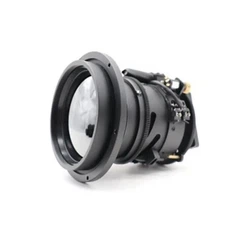
In the world of infrared imaging, Athermalized Long - Wave Infrared (LWIR) lenses play a crucial role. These lenses are designed to maintain their optical performance over a wide range of temperatures without the need for complex mechanical or electronic compensation mechanisms. One of the most important characteristics of an Athermalized LWIR lens is its field of view (FOV), which directly impacts its application and functionality.
Understanding the Field of View
The field of view of a lens refers to the extent of the observable world that can be captured through the lens. It is typically measured in degrees, both horizontally and vertically, and sometimes diagonally. A wide field of view allows the camera equipped with the lens to capture a large area, while a narrow field of view provides a more focused, magnified view of a smaller area.
In the context of Athermalized LWIR lenses, the FOV is determined by several factors. Firstly, the physical design of the lens, including the curvature of its optical elements and the distance between them, plays a significant role. A lens with a larger diameter or more complex optical configuration may be able to provide a wider FOV. Secondly, the focal length of the lens is inversely related to the FOV. A shorter focal length generally results in a wider FOV, while a longer focal length leads to a narrower FOV.


Applications of Different Fields of View
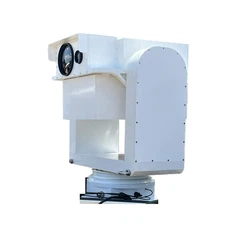
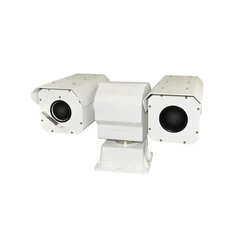
- Surveillance and Security: In surveillance applications, a wide - FOV Athermalized LWIR lens is often preferred. It can monitor a large area, such as a perimeter of a building or a large open space, without the need to constantly re - position the camera. For example, the Gyro - stabilized Shipborne Electro - Optical Turret System EGT - 360G may use a wide - FOV Athermalized LWIR lens to keep an eye on a large area around the ship. This allows for early detection of any potential threats, such as approaching vessels or intruders in the water.
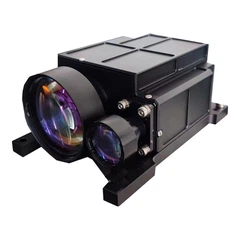
- Target Identification and Tracking: When it comes to identifying and tracking specific targets, a narrow - FOV Athermalized LWIR lens is more suitable. It can provide a high - resolution image of the target, allowing for detailed analysis. For instance, in military or law enforcement operations, the POD - 853T Triple - Sensor 3 Axes Ultra - Miniature Tactical UAV ISR may be equipped with a narrow - FOV lens to accurately identify and track a suspect or a target vehicle.
- Thermal Imaging in Industrial Settings: In industrial applications like predictive maintenance, a medium - FOV Athermalized LWIR lens can be a good choice. It can cover a reasonable area of machinery or equipment, allowing technicians to detect hot spots or abnormal temperature patterns. This helps in preventing potential breakdowns and ensuring the smooth operation of the industrial process.
Measuring and Specifying the Field of View
Manufacturers of Athermalized LWIR lenses typically provide detailed specifications about the FOV. These specifications usually include the horizontal, vertical, and diagonal FOV values. To measure the FOV accurately, specialized optical testing equipment is used. The testing process involves setting up a target at a known distance from the lens and then measuring the angle subtended by the target as seen through the lens.
It's important to note that the FOV can also be affected by the detector used in the infrared camera. The size and pixel pitch of the detector can influence the effective FOV. For example, a detector with a larger number of pixels may be able to capture more of the image within the FOV of the lens, providing a higher - resolution view.
Our Offerings as an Athermalized LWIR Lens Supplier
As a leading supplier of Athermalized LWIR lenses, we offer a wide range of products with different fields of view to meet the diverse needs of our customers. Our lenses are designed using the latest optical technologies and high - quality materials to ensure excellent performance and reliability.
We understand that different applications require different FOVs, and we work closely with our customers to provide the most suitable solutions. Whether you need a wide - FOV lens for large - area surveillance or a narrow - FOV lens for precise target identification, we have the expertise and products to meet your requirements.
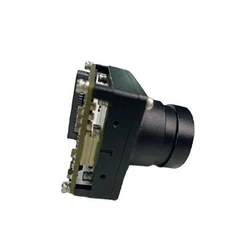
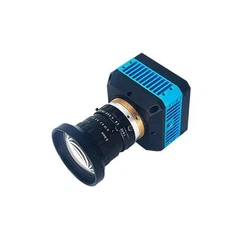
For example, our lenses can be paired with high - performance infrared cameras such as the CMST - 6 SCORPI0 Mid - Wave Cooled 640 Camera Module (T2SL)Datasheet. This combination allows for enhanced thermal imaging capabilities, providing clear and accurate images even in challenging environments.
Contact Us for Procurement and Consultation
If you are in the market for Athermalized LWIR lenses and are interested in learning more about our products and how they can meet your specific needs, we encourage you to reach out to us. Our team of experts is ready to assist you with any questions you may have regarding the field of view, lens specifications, or integration with other systems. We can also provide detailed product demonstrations and samples to help you make an informed decision.
Whether you are involved in surveillance, military, industrial, or any other application that requires high - quality thermal imaging, our Athermalized LWIR lenses are the ideal choice. Contact us today to start a conversation about your procurement requirements and let us work together to find the best solution for your project.
References
- Smith, J. (2018). Infrared Imaging Systems: Principles and Applications. Springer.
- Johnson, R. (2020). Advanced Optical Design for Thermal Imaging. Wiley.