

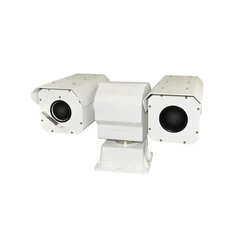
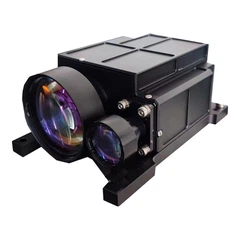
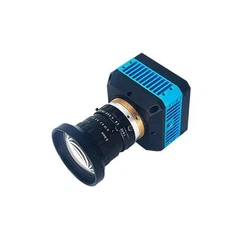

Introduction to MWIR Zooming Lens
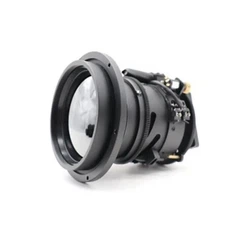
Mid - Wave Infrared (MWIR) zooming lenses play a crucial role in various fields, including military surveillance, industrial inspection, and scientific research. MWIR light, which typically ranges from 3 to 5 micrometers in wavelength, can penetrate certain atmospheric conditions such as haze and smoke better than visible light. Zooming lenses in the MWIR range offer the flexibility to change the focal length, allowing users to adjust the field of view and magnification according to their specific needs. This adaptability makes them highly valuable in applications where the distance and size of the target may vary.
Top 10 Suppliers
1. IR - EO Cameras & Systems Co., Ltd.
IR - EO Cameras & Systems Co., Ltd. is a leading provider in the field of infrared and electro - optical camera systems. The company has a long - standing reputation for developing high - quality MWIR zooming lenses that are used in a wide range of applications. Their products are known for their excellent image quality, high resolution, and reliable performance.
The company invests heavily in research and development to stay at the forefront of technological advancements. They have a team of experienced engineers and scientists who are dedicated to improving the design and functionality of their MWIR zooming lenses. IR - EO Cameras & Systems Co., Ltd. also offers customized solutions to meet the specific requirements of different customers.
Features in MWIR Zooming Lens:
- High Optical Performance: Their lenses are designed to provide sharp and clear images even in challenging MWIR environments. They use advanced optical materials and coating technologies to minimize aberrations and maximize light transmission.
- Wide Zoom Range: The lenses offer a wide range of zoom capabilities, allowing users to capture both wide - angle and close - up views of the target.
- Compact Design: Despite their high performance, the lenses are designed to be compact and lightweight, making them suitable for portable and airborne applications.
Advantages:
- Customization: The company can customize the MWIR zooming lenses according to the customer's specific needs, such as different focal lengths, apertures, and environmental requirements.
- Quality Assurance: IR - EO Cameras & Systems Co., Ltd. has a strict quality control system in place to ensure that each lens meets the highest standards of quality and performance.
- After - sales Service: They provide excellent after - sales service, including technical support and maintenance, to ensure the long - term reliability of their products.
Website: https://www.ireocam.com/
2. Jenoptik AG
Jenoptik AG is a global technology group that operates in the fields of photonics, optoelectronics, and mechatronics. With a history dating back over 170 years, the company has extensive experience in developing optical systems, including MWIR zooming lenses.
Jenoptik's MWIR zooming lenses are used in military, aerospace, and industrial applications. The company's expertise lies in its ability to combine high - precision optical components with advanced mechanical and electronic systems. They have a state - of - the - art manufacturing facility that allows them to produce lenses with high accuracy and repeatability.
Features in MWIR Zooming Lens:
- Advanced Optical Design: Jenoptik uses sophisticated optical design software to optimize the performance of their MWIR zooming lenses. This results in lenses with low distortion, high resolution, and excellent contrast.
- Fast Aperture: Their lenses often feature fast apertures, which allow more light to enter the lens, improving the image quality in low - light conditions.
- Robust Construction: The lenses are built to withstand harsh environmental conditions, such as high temperatures, vibrations, and shocks.
Advantages:
- Global Presence: Jenoptik has a global network of sales and service centers, which enables them to provide timely support to their customers around the world.
- Innovation: The company is committed to innovation and continuously invests in research and development to improve its products. They collaborate with leading research institutions to stay ahead of the curve in MWIR technology.
- System Integration: Jenoptik can integrate its MWIR zooming lenses into complete camera systems, providing customers with turn - key solutions.
3. L3Harris Technologies, Inc.
L3Harris Technologies is a major aerospace and defense technology company. It has a strong presence in the MWIR zooming lens market, especially in military and government applications.
The company's MWIR zooming lenses are designed to meet the demanding requirements of military surveillance, reconnaissance, and targeting systems. L3Harris has a deep understanding of the military's needs and has developed lenses that are highly reliable, accurate, and resistant to environmental factors.
Features in MWIR Zooming Lens:
- High - Resolution Imaging: L3Harris's lenses are capable of providing high - resolution images, which are essential for detecting and identifying targets at long distances.
- Thermal Stability: They are designed to maintain their performance over a wide range of temperatures, ensuring reliable operation in different climates.
- Integrated Electronics: The lenses often come with integrated electronics that allow for easy control and communication with other components of the system.
Advantages:
- Military - Grade Quality: L3Harris adheres to strict military standards in the design and manufacturing of its MWIR zooming lenses. This ensures that the lenses can withstand the rigors of military operations.
- Security and Confidentiality: As a defense - focused company, L3Harris has robust security measures in place to protect sensitive technology and information related to its MWIR products.
- Long - Term Support: The company provides long - term support for its products, including upgrades and maintenance, to ensure the continued effectiveness of military systems.
4. Raytheon Technologies Corporation
Raytheon Technologies is a leading aerospace and defense company that is well - known for its advanced technology solutions. In the MWIR zooming lens market, Raytheon offers high - performance lenses for a variety of applications, including missile guidance, airborne surveillance, and ground - based monitoring.
The company's research and development efforts are focused on improving the performance, reliability, and affordability of its MWIR zooming lenses. Raytheon has a large team of engineers and scientists who are constantly working on new technologies and designs.
Features in MWIR Zooming Lens:
- Advanced Signal Processing: Raytheon's lenses are often integrated with advanced signal - processing algorithms that enhance the image quality and provide additional functionality, such as target detection and tracking.
- Low Noise: The lenses are designed to minimize noise, resulting in clear and sharp images even in low - light or noisy environments.
- Compact and Lightweight: Raytheon aims to make its lenses as compact and lightweight as possible without sacrificing performance, which is important for airborne and portable applications.
Advantages:
- Technology Leadership: Raytheon is at the forefront of MWIR technology development. It invests heavily in research and development to introduce new features and capabilities to its products.
- Large - Scale Production: The company has the capacity for large - scale production, which allows it to meet the high - volume demands of military and commercial customers.
- System Compatibility: Raytheon's MWIR zooming lenses are designed to be compatible with a wide range of camera systems and platforms, providing customers with flexibility in system integration.
5. Thales Group
Thales Group is a multinational company that specializes in aerospace, defense, and security solutions. In the MWIR zooming lens field, Thales offers innovative products that are used in military, naval, and civilian applications.
Thales has a long history of developing optical systems and has a deep understanding of the requirements of different industries. Their MWIR zooming lenses are known for their high performance and reliability.
Features in MWIR Zooming Lens:
- Multispectral Capabilities: Some of Thales's lenses are designed to operate in multiple spectral bands, including MWIR and other infrared or visible bands. This allows for more comprehensive imaging and analysis.
- High - Speed Zoom: The lenses can achieve high - speed zooming, which is useful in applications where quick changes in the field of view are required, such as in dynamic surveillance scenarios.
- Enhanced Durability: Thales's lenses are built to be durable and resistant to damage from environmental factors, such as dust, water, and salt spray.
Advantages:
- International Reach: Thales has a global presence, which enables it to serve customers in different regions of the world. It can provide local support and customization based on the specific needs of each market.
- Collaboration and Partnerships: The company collaborates with other leading organizations in the industry to share knowledge and resources. This helps in the development of more advanced MWIR zooming lens technologies.
- Training and Education: Thales offers training and education programs for its customers to ensure that they can fully utilize the capabilities of its MWIR zooming lenses.
6. FLIR Systems, Inc.
FLIR Systems is a well - known company in the infrared imaging industry. It has a wide range of MWIR zooming lenses that are used in industrial inspection, security, and environmental monitoring applications.
FLIR's lenses are designed to be user - friendly and offer high - quality imaging performance. The company has a strong focus on customer satisfaction and provides easy - to - use products with comprehensive support.
Features in MWIR Zooming Lens:
- Ease of Use: FLIR's lenses are designed with intuitive controls and interfaces, making them accessible to users with different levels of technical expertise.
- Software Integration: The lenses can be easily integrated with FLIR's software, which provides additional features such as image enhancement, analysis, and reporting.
- Cost - Effective: FLIR offers a range of MWIR zooming lenses at different price points, making them suitable for a wide range of budgets.
Advantages:
- Customer Support: FLIR has a dedicated customer support team that provides technical assistance, training, and troubleshooting services.
- Product Portfolio: The company has a diverse product portfolio, which allows customers to choose the most suitable MWIR zooming lens for their specific application.
- Market Reputation: FLIR has a strong reputation in the infrared imaging market, which gives customers confidence in the quality and performance of its products.
7. HGH Infrared Systems
HGH Infrared Systems is a French company that specializes in the development and production of infrared imaging systems, including MWIR zooming lenses.
The company has a focus on innovation and has developed several unique technologies in the MWIR field. Their lenses are used in military, security, and industrial applications.
Features in MWIR Zooming Lens:
- Innovative Optical Solutions: HGH uses innovative optical designs and materials to improve the performance of its MWIR zooming lenses. For example, they may use new types of infrared - transmitting glasses or advanced diffractive optics.
- High - Sensitivity Detectors: The lenses are often paired with high - sensitivity infrared detectors, which enhance the ability to detect weak signals and low - contrast targets.
- Remote Control and Monitoring: HGH's lenses can be remotely controlled and monitored, allowing for easy operation in difficult - to - access locations.
Advantages:
- Technological Expertise: HGH has a team of highly skilled engineers and scientists who are experts in infrared technology. This expertise allows the company to develop cutting - edge MWIR zooming lenses.
- Customization for European Markets: The company is well - positioned to provide customized solutions for European customers, taking into account the specific requirements and regulations of the European market.
- Research and Development Partnerships: HGH collaborates with European research institutions to conduct research and development activities, which helps in the continuous improvement of its products.
8. UTC Aerospace Systems (a Raytheon Technologies business)
UTC Aerospace Systems, now part of Raytheon Technologies, has a long history of providing advanced aerospace and defense technologies. In the MWIR zooming lens market, it offers products that are optimized for aerospace applications.
The company's MWIR zooming lenses are designed to meet the strict requirements of airborne platforms, such as aircraft and drones. They need to be lightweight, compact, and reliable in high - altitude and high - speed environments.
Features in MWIR Zooming Lens:
- Lightweight Construction: UTC Aerospace Systems uses advanced materials and manufacturing techniques to reduce the weight of its MWIR zooming lenses without sacrificing performance.
- Aerodynamic Design: The lenses are designed with an aerodynamic shape to minimize drag and ensure stable operation during flight.
- High - Altitude Performance: They are engineered to maintain their performance at high altitudes, where the temperature and pressure conditions are different from those at ground level.
Advantages:
- Aerospace Experience: The company has extensive experience in the aerospace industry, which gives it a deep understanding of the unique requirements of airborne MWIR zooming lens applications.
- Certification and Compliance: UTC Aerospace Systems' products are certified to meet the strict safety and performance standards of the aerospace industry. This ensures that the lenses can be used in critical aerospace systems.
- Integration with Aerospace Systems: The company can integrate its MWIR zooming lenses into larger aerospace systems, such as avionics and navigation systems, providing seamless operation.
9. Ball Aerospace & Technologies Corp.
Ball Aerospace is a leading provider of aerospace and defense technologies. It has a significant presence in the MWIR zooming lens market, especially in space - based and high - altitude applications.
The company's MWIR zooming lenses are designed to operate in the harsh environment of space, where they need to withstand radiation, extreme temperatures, and vacuum conditions.
Features in MWIR Zooming Lens:
- Space - Qualified Design: Ball Aerospace's lenses are designed and tested to meet the strict requirements of space applications. They are built to be radiation - resistant and have long - term reliability in space.
- High - Precision Optics: The lenses feature high - precision optics that are essential for capturing clear and accurate images in space. They use advanced polishing and alignment techniques to achieve the required optical performance.
- Miniaturization: Ball Aerospace has expertise in miniaturizing its MWIR zooming lenses, which is important for space - based platforms where space and weight are limited.
Advantages:
- Space - Flight Heritage: The company has a long history of successful space - flight missions, which gives it credibility in the space industry. Its MWIR zooming lenses have been proven to work effectively in space.
- Research and Development for Space: Ball Aerospace invests heavily in research and development for space - related technologies. It is constantly exploring new materials and designs to improve the performance of its MWIR zooming lenses in space.
- Collaboration with NASA and Other Agencies: The company collaborates with NASA and other space agencies, which allows it to participate in major space projects and stay at the forefront of space - based MWIR technology.
10. Edmund Optics Inc.
Edmund Optics is a global supplier of optical components and imaging systems. It offers a wide range of MWIR zooming lenses for various applications, including industrial, scientific, and educational uses.
The company is known for its large inventory of off - the - shelf products and its ability to provide custom - made solutions quickly.
Features in MWIR Zooming Lens:
- Off - the - Shelf Availability: Edmund Optics maintains a large inventory of MWIR zooming lenses, which can be shipped quickly to customers. This is beneficial for customers who need immediate solutions.
- Customization Options: The company can customize its lenses according to the customer's specific requirements, such as different focal lengths, coatings, and mechanical interfaces.
- Educational Resources: Edmund Optics provides educational resources, such as application notes and technical articles, to help customers understand and select the right MWIR zooming lens for their needs.
Advantages:
- Quick Turnaround Time: For custom - made lenses, Edmund Optics has a relatively short turnaround time compared to some other suppliers. This allows customers to get their products faster.
- Technical Support: The company offers technical support to help customers with their optical system design and lens selection. Their technical experts can provide valuable advice and solutions.
- Global Distribution Network: Edmund Optics has a global distribution network, which ensures that customers around the world can easily access its products and services.
Conclusion
The MWIR zooming lens market is highly competitive, with each of the top 10 suppliers bringing its own unique strengths and capabilities to the table. IR - EO Cameras & Systems Co., Ltd., with its focus on customization and quality, sets a high standard in the industry. Companies like Jenoptik AG, L3Harris Technologies, and Raytheon Technologies bring their aerospace and defense expertise, catering to the demanding needs of military and government applications. FLIR Systems and Edmund Optics offer user - friendly and cost - effective solutions for a wide range of industries, while HGH Infrared Systems and Thales Group contribute with their innovative technologies and international reach. Ball Aerospace and UTC Aerospace Systems are leaders in space - based and aerospace - specific MWIR zooming lenses.
As technology continues to evolve, these suppliers will likely continue to invest in research and development to improve the performance, functionality, and affordability of their MWIR zooming lenses. The future of the MWIR zooming lens market looks promising, with potential for further growth in applications such as autonomous vehicles, environmental monitoring, and advanced surveillance systems.