

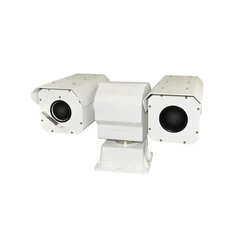
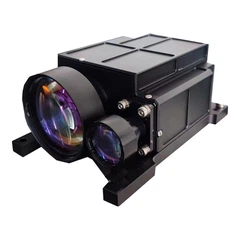
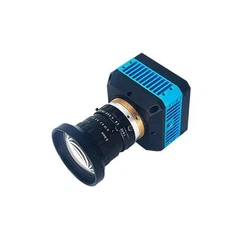

Hey there! As a supplier of thermal vision sights and goggles, I often get asked about how far these nifty devices can detect heat sources. It's a question that's on the minds of a lot of folks, whether they're hunters, security professionals, or just outdoor enthusiasts. So, let's dive right in and explore the ins and outs of the detection range of thermal vision sights and goggles.
Understanding Thermal Vision Technology
Before we talk about the detection range, it's important to understand how thermal vision works. Thermal imaging devices detect the infrared radiation emitted by objects. Every object with a temperature above absolute zero (-273.15°C or -459.67°F) emits infrared radiation. Thermal vision sights and goggles pick up these infrared emissions and convert them into an image that we can see. The hotter an object is, the more infrared radiation it emits, and it shows up brighter on the thermal image.
Factors Affecting Detection Range
There are several factors that can affect how far thermal vision sights and goggles can detect heat sources. Let's take a look at some of the most important ones.
1. Temperature Difference
The bigger the temperature difference between the heat source and its surroundings, the easier it is for the thermal device to detect it. For example, on a cold night, a warm-blooded animal will stand out more clearly against the cold background. If the temperature difference is small, the heat source might be more difficult to spot, and the detection range will be shorter.
2. Atmospheric Conditions
The atmosphere can have a big impact on the detection range of thermal devices. Things like fog, rain, and dust can scatter and absorb infrared radiation, reducing the device's ability to detect heat sources at long distances. On a clear, dry night, you'll generally get a better detection range than on a foggy or rainy day.
3. Quality of the Device
Not all thermal vision sights and goggles are created equal. Higher-quality devices with better sensors and optics will typically have a longer detection range. They can pick up weaker infrared signals and provide a clearer image, allowing you to detect heat sources from farther away.
4. Size of the Heat Source
Larger heat sources are generally easier to detect from a greater distance than smaller ones. A large animal or a vehicle will emit more infrared radiation than a small rodent, so it can be detected from farther away.
Typical Detection Ranges
Now, let's talk about some typical detection ranges for thermal vision sights and goggles. Keep in mind that these are just general estimates, and the actual range can vary depending on the factors we just discussed.
Handheld Thermal Goggles
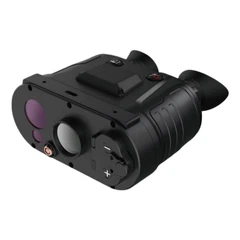
Handheld thermal goggles are great for close to medium-range detection. They're portable and easy to use, making them popular for activities like hiking, wildlife observation, and security patrols. On a clear night, a good-quality pair of handheld thermal goggles can typically detect a human-sized heat source at a range of up to 200 - 300 meters.
Rifle-Mounted Thermal Sights
Rifle-mounted thermal sights are designed for longer-range use, especially in hunting and military applications. With a high-end thermal sight, you can often detect a human-sized heat source at a range of 500 - 1000 meters or more on a clear night. Some of the top-of-the-line models can even detect heat sources at distances of over 2000 meters.
Advanced Features for Extended Detection
At our company, we offer thermal vision sights and goggles with some advanced features that can help extend the detection range even further. For example, we have models that are compatible with the 10KM LRF Module. This laser range finder module can accurately measure the distance to the heat source, allowing you to better assess the situation and make more informed decisions.
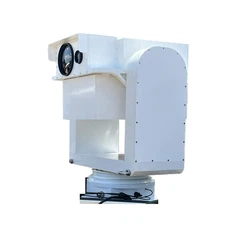
We also have thermal devices that can be integrated with the N400 Four (or 2 axis 4 frames) Axis Gyro Stabilized Gimbal Platform. This platform provides stable and smooth movement, reducing the effects of hand shake and vibration. It allows you to keep the heat source in the field of view for a longer time, increasing the chances of detection, especially at long distances.
In addition, our thermal vision products can work in conjunction with Anti-drone RF Sensors. These sensors can detect the radio frequency signals emitted by drones, which can be a potential heat source. By combining the thermal detection with RF sensor data, you can get a more comprehensive picture of the situation and detect heat sources more effectively.
Real-World Applications
The detection range of thermal vision sights and goggles is crucial in many real-world applications. Here are a few examples.
Hunting
For hunters, being able to detect game animals from a distance is essential. A good thermal sight can help you spot animals in the dark or in thick vegetation, giving you a better chance of a successful hunt. The longer the detection range, the more time you have to prepare for a shot.
Security and Surveillance
In security and surveillance, thermal vision devices can be used to detect intruders or suspicious activity. They can monitor large areas and detect heat sources that might not be visible to the naked eye. A long detection range allows security personnel to identify potential threats from a safe distance.


Search and Rescue
During search and rescue operations, thermal vision sights and goggles can be a lifesaver. They can help locate missing persons, even in low-light or difficult terrain conditions. The ability to detect heat sources from a distance can significantly reduce the search time and increase the chances of finding the missing person.
Conclusion
So, how far can thermal vision sights and goggles detect heat sources? Well, it depends on a variety of factors, including temperature difference, atmospheric conditions, device quality, and the size of the heat source. On average, handheld thermal goggles can detect a human-sized heat source at up to 200 - 300 meters, while rifle-mounted thermal sights can reach 500 - 1000 meters or more.
At our company, we're committed to providing high-quality thermal vision sights and goggles with advanced features to extend the detection range. Whether you're a hunter, a security professional, or involved in search and rescue, our products can help you detect heat sources more effectively.
If you're interested in learning more about our thermal vision sights and goggles or have any questions about detection range, feel free to get in touch with us. We'd be happy to have a chat and discuss your specific needs. Let's work together to find the perfect thermal solution for you!
References
- "Thermal Imaging Handbook" - A comprehensive guide on thermal imaging technology and its applications.
- Industry research reports on thermal vision devices and their performance.