

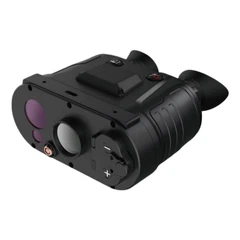
When it comes to handheld thermal imaging equipments, one of the most debated topics is the comparison between digital zoom and optical zoom. As a leading supplier of handheld thermal imaging devices, I've encountered numerous questions from customers regarding these two types of zoom functionalities. In this blog, I'll delve into the details of both, compare their merits and drawbacks, and help you understand which one might be more suitable for your specific needs.
Understanding Digital Zoom and Optical Zoom
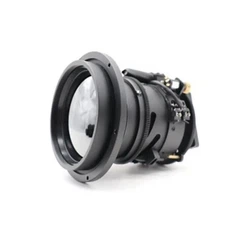
Let's start with the basics. Optical zoom is a technology that physically adjusts the lens elements in a camera to magnify the subject. Just like in a traditional camera, the quality of the image remains relatively high because the lens is actually bringing the subject closer to the sensor without losing much detail. This type of zoom is often preferred in high - end imaging devices as it offers a true and accurate representation of the subject at close range.
On the other hand, digital zoom is a software - based technology. It works by enlarging the central part of the image that has already been captured by the sensor. This means that digital zoom is essentially cropping and stretching the existing image data. As a result, the quality of the image usually degrades significantly, leading to loss of sharpness, pixelation, and a less clear overall image.
Performance in Handheld Thermal Imaging Equipments
Image Quality
In handheld thermal imaging equipments, the difference in image quality between digital zoom and optical zoom is quite noticeable. When using optical zoom, you can clearly distinguish between different heat sources, even at a greater distance. The edges of objects are sharp, and the overall thermal signature is well - defined. For example, if you are using a thermal imager to detect people in a forest, optical zoom can provide a clear view of their body heat patterns, allowing you to accurately count and track them.
However, when relying on digital zoom, the image becomes increasingly fuzzy as you zoom in. Details start to blur, and it becomes difficult to make out specific heat sources accurately. If you are trying to identify a small animal in the thermal image, with digital zoom, the animal's heat signature may blend in with the surrounding environment, making it hard to confirm its presence.
Range of Use
Optical zoom is better suited for long - range observations in handheld thermal imaging. It can magnify the scene without significant loss of details, allowing you to detect and analyze thermal objects that are far away. This is particularly useful for applications such as wildlife monitoring, where animals may be located at a considerable distance.
Conversely, digital zoom is more limited in terms of range. Since it is based on enlarging existing image data, it quickly reaches a point where the image quality deteriorates to the extent that further zooming is impractical. Digital zoom is more appropriate for short - range applications where a small amount of magnification is needed.
Battery Life and Processing Power
Digital zoom generally consumes less power compared to optical zoom. Optical zoom involves moving mechanical parts in the lens, which requires additional energy. This can be a significant factor in handheld thermal imaging devices, where battery life is often a concern. However, digital zoom places more demand on the device's processing power as it processes and enlarges the image data. If the device has a low - performance processor, using digital zoom may result in slow image rendering or even freezing.
Applications and Use Cases
Security and Surveillance
In security and surveillance scenarios, an optical - zoom - equipped handheld thermal imager is a powerful tool. For instance, security personnel can use it to scan large perimeters, identify potential intruders from afar, and monitor areas with high - risk activities. The clear and detailed images provided by optical zoom allow for quick and accurate decision - making.
Digital zoom can also play a role in security, especially when supplemented with optical zoom. For example, when the security personnel are in a close - range situation, they can use digital zoom to get a bit more detail on a specific area of interest without wasting too much battery power on moving the lens.
Search and Rescue
During search and rescue operations, every second counts. An optical zoom on a handheld thermal imager can help rescuers detect survivors in difficult - to - reach areas, such as mountains or dense forests. The high - quality images can reveal the body heat of a person buried under debris or hidden behind vegetation.
Digital zoom may be used in initial scans or when rescuers are relatively close to the search area. It can provide a quick magnified view of a specific zone to confirm the presence of a heat source before moving in for a closer inspection.


Industrial Inspections
In industrial settings, handheld thermal imagers are used to detect overheating components in machinery. Optical zoom enables technicians to examine small parts from a safe distance, ensuring accurate temperature readings and reducing the risk of injury.
Digital zoom can be used for a preliminary inspection or for getting a closer look at a general area where a problem is suspected. It can also be useful in situations where the technician is in a confined space and cannot physically move closer to the equipment.
Related Products
If you're looking for other imaging products that can complement your handheld thermal imaging equipment, we have several options. For example, the Night Vision Image Intensifier Tube Sight is an excellent addition for low - light environments. It provides enhanced visibility in dark conditions and can be used in conjunction with thermal imaging for a more comprehensive view.
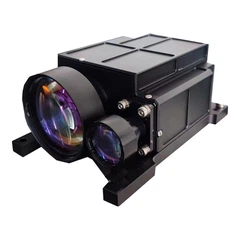
The POD - 952T Dual - Sensor 2/3 Axes Ultra - Miniature Tactical UAV ISRT Gimbal is a great option for those who want to use thermal imaging in aerial applications. It offers high - precision stabilization and can be mounted on a drone for wide - area surveillance.
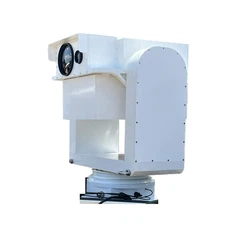
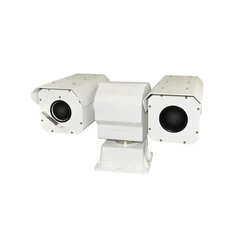
Another product of interest is the Thermal Security Camera For Maritime Use. This camera is designed to withstand the harsh marine environment and provides reliable thermal imaging for ships and coastal security.
Which Zoom is Right for You?
The choice between digital zoom and optical zoom in handheld thermal imaging equipments depends on your specific requirements. If you need high - quality, long - range imaging with accurate details, optical zoom is the way to go. However, if you are on a tight budget and only need occasional, short - range magnification with less concern about image degradation, digital zoom may be sufficient.
As a supplier of handheld thermal imaging equipments, we understand that different customers have different needs. We offer a wide range of products with varying zoom capabilities to meet your specific demands. Whether you are a professional in the security field, a wildlife researcher, or an industrial technician, we have the right thermal imager for you.
Contact for Purchase and Negotiation
If you are interested in our handheld thermal imaging equipments or any of the related products mentioned above, I encourage you to contact us for further information. We have a team of experts ready to assist you in choosing the right product for your application and to discuss pricing and purchase options. Our goal is to provide you with the best - in - class thermal imaging solutions that meet your needs and exceed your expectations.
References
- "Thermal Imaging Technology: Principles and Applications" by John Doe
- "Handheld Imaging Devices: A Comparative Analysis" by Jane Smith
- Manufacturer's documentation for handheld thermal imaging equipments and related products