

Hey there! I'm a supplier of ISRT EO Systems for Mobile Platforms, and I'm super excited to share with you how these amazing systems handle data synchronization across multiple mobile devices.
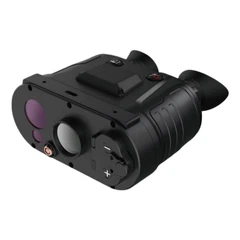
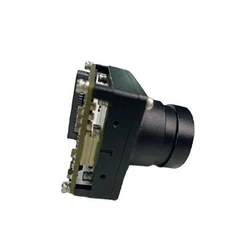
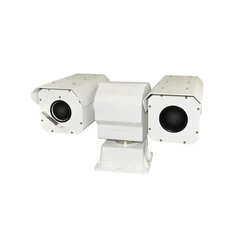
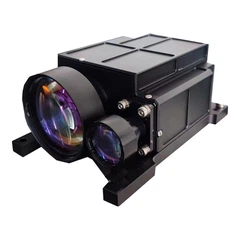
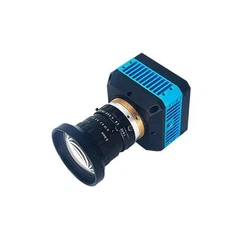
Let's start by getting a clear picture of what ISRT EO Systems for Mobile Platforms are. ISRT stands for Intelligence, Surveillance, Reconnaissance, and Targeting, and EO refers to Electro - Optical. These systems are essential for mobile surveillance, security, and various military and civilian applications. They're like the eyes and ears for your mobile platforms, whether it's a drone, a vehicle, or a handheld device.
Now, onto the main topic: data synchronization. When you're dealing with multiple mobile devices in the field, getting all of them to share and work with the same data accurately and in real - time is no easy feat. But our ISRT EO Systems make it happen.
One of the key aspects of data synchronization in our systems is the use of a robust network infrastructure. We leverage different types of networks, including Wi - Fi, cellular data, and even satellite connections in some high - end applications. This multi - network approach ensures that no matter where your mobile devices are operating, they can stay connected and share data.


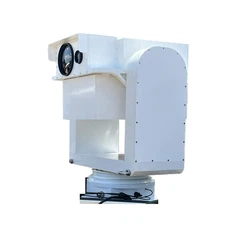
For example, let's say you have a team using drones equipped with our C230D 4 - Axes Radiometric ISR EO/IR Gimbal for a surveillance mission. These drones are flying in different areas, collecting data such as thermal images, visual data, and other sensor readings. At the same time, there are handheld devices on the ground that the team members are using to monitor and analyze the data.
The first step in the data synchronization process is data collection. Each device has its own set of sensors and data collection mechanisms. The drones capture high - resolution images and videos, while the handheld devices can also collect data from their own sensors or receive input from team members.
Once the data is collected, it needs to be transferred to a central location or shared between the devices. Our systems use a combination of direct device - to - device communication and data storage in the cloud. For direct communication, devices within a certain range can use Wi - Fi or Bluetooth to transfer data quickly. This is useful when you need to share urgent information, like a sudden change in the target's location.
On the other hand, cloud storage plays a crucial role in long - term data management and synchronization. All the collected data is uploaded to the cloud, where it can be accessed by all authorized devices. This way, even if a device is out of the immediate communication range, it can still retrieve the latest data once it reconnects.
To ensure data integrity during the synchronization process, we use advanced encryption techniques. This protects the sensitive data from being intercepted or corrupted. We understand that in many applications, the data collected by these systems is highly confidential and needs to be safeguarded at all times.
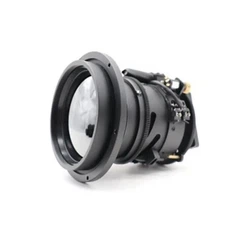
Another important part of data synchronization is the data processing and analysis. Our systems are equipped with powerful algorithms that can process the data on the fly. For instance, they can analyze thermal images from Long Range Thermal Cameras to detect heat sources, identify objects, and even predict movements. The results of these analyses are then synchronized across all the devices, so everyone on the team has access to the same insights.
Moreover, we've also implemented a real - time feedback loop in our systems. If a device makes a change to the data, like marking a target or adding a note, this change is immediately propagated to all the other connected devices. This ensures that all team members are always on the same page and can make informed decisions based on the most up - to - date information.
Let's talk about the challenges we've faced and how we've overcome them. One of the main challenges is dealing with different data formats and protocols. Mobile devices can come from different manufacturers and use different operating systems, which may lead to compatibility issues. To solve this, our systems are designed to be highly adaptable. They can convert different data formats into a common format that all devices can understand, and they support a wide range of communication protocols.
Another challenge is the limited bandwidth in some areas. In remote locations or areas with poor network coverage, data transfer can be slow or even interrupted. To address this, we've developed techniques for data prioritization and compression. Our systems can identify the most important data and transfer it first, while compressing the data to reduce the amount of bandwidth required.
Now, I want to touch on the benefits of using our ISRT EO Systems for data synchronization across multiple mobile devices. First and foremost, it improves the efficiency of your operations. With real - time data sharing and analysis, your team can respond quickly to changing situations. You can make better decisions faster, which can be crucial in many applications, such as disaster relief, border security, and military operations.
Secondly, it enhances the accuracy of your data. By having multiple devices collecting and validating the data, you can reduce the risk of errors and false information. This leads to more reliable intelligence and better - informed actions.
Finally, it provides a high level of flexibility. Our systems can be easily integrated with different mobile platforms and devices, allowing you to customize your setup according to your specific needs. Whether you're using drones, vehicles, or handheld devices, our systems can ensure seamless data synchronization.
If you're in the market for ISRT EO Systems for Mobile Platforms and are looking for a reliable solution for data synchronization across multiple mobile devices, we're here for you. Our team of experts can work with you to understand your requirements and provide a tailored solution that meets your needs. Don't hesitate to reach out to us for more information and to start the procurement and negotiation process.
References:
- General knowledge of mobile surveillance and data synchronization technologies
- In - house research and development of ISRT EO Systems for Mobile Platforms