


Can the MCT MWIR Core with Lens be used for long - distance detection?
As a supplier of the MCT MWIR (Mercury Cadmium Telluride Mid - Wave Infrared) Core with Lens, I am frequently asked about its capabilities for long - distance detection. In this blog, I will explore the technical aspects, advantages, and limitations of using the MCT MWIR Core with Lens for long - distance detection.
Technical Principles of MCT MWIR Core with Lens
The MCT MWIR technology is based on the unique properties of Mercury Cadmium Telluride semiconductor material. This material has excellent infrared absorption characteristics in the mid - wave infrared band (usually around 3 - 5 micrometers). The MWIR band is particularly useful for long - distance detection because it can penetrate certain atmospheric conditions better than other infrared bands.
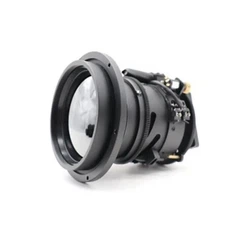
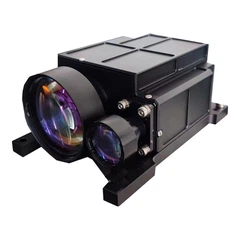
The lens in the MCT MWIR Core is designed to focus the infrared radiation onto the MCT detector. A high - quality lens is crucial for long - distance detection as it can collect more infrared light and form a clear image. The optical design of the lens takes into account factors such as aberration correction, field of view, and focal length. For long - distance applications, a long - focal - length lens is often preferred as it can magnify the distant objects and improve the detection range.
Advantages for Long - Distance Detection
- High Sensitivity: MCT detectors are known for their high sensitivity to infrared radiation. This means that they can detect very weak infrared signals emitted by distant objects. For example, in a surveillance scenario, a MCT MWIR Core with Lens can detect the heat signature of a person or a vehicle from a long distance, even in low - light conditions.
- Atmospheric Penetration: The mid - wave infrared band has better atmospheric penetration capabilities compared to the long - wave infrared band. Water vapor, dust, and other atmospheric particles absorb and scatter infrared radiation to different degrees in different bands. The MWIR band is less affected by these factors, allowing the MCT MWIR Core with Lens to have a better detection range in various weather conditions, such as light fog or haze.
- Image Quality: With the combination of a high - performance MCT detector and a well - designed lens, the MCT MWIR Core can produce high - quality infrared images. The clear images are essential for long - distance detection as they enable operators to accurately identify and analyze the detected objects. For instance, in military reconnaissance, high - resolution images can help in distinguishing between different types of vehicles or structures from a long distance.
Applications in Long - Distance Detection
- Military Surveillance: In military operations, long - distance detection is of utmost importance. The MCT MWIR Core with Lens can be used in surveillance systems mounted on drones, aircraft, or ground - based stations. It can detect enemy movements, vehicle convoys, and hidden installations from a safe distance. For example, a military drone equipped with a MCT MWIR Core with Lens can fly at a high altitude and monitor a large area, providing real - time intelligence to the military commanders.
- Border Security: Border control agencies can use the MCT MWIR Core with Lens for long - distance surveillance. It can detect illegal border crossings, smuggling activities, and unauthorized intrusions. The high sensitivity and long - range capabilities of the MCT MWIR Core with Lens make it an ideal choice for monitoring large and remote border areas.
- Environmental Monitoring: For environmental scientists, the MCT MWIR Core with Lens can be used to monitor large - scale environmental phenomena from a distance. For example, it can detect forest fires, volcanic activities, and the movement of large animal herds. The ability to detect these events from a long distance helps in early warning and better management of environmental disasters.
Limitations and Challenges
- Cost: The MCT MWIR Core with Lens is relatively expensive compared to other infrared detection technologies. The high cost is mainly due to the complex manufacturing process of the MCT detector and the high - precision lens. This can limit its widespread use, especially in applications where cost is a major concern.
- Cooling Requirements: MCT detectors usually require cooling to operate at their optimal performance. Cooling systems add to the complexity and cost of the MCT MWIR Core with Lens. In addition, the cooling systems also consume power, which can be a limitation in battery - powered applications.
- Atmospheric Conditions: Although the MWIR band has better atmospheric penetration capabilities than some other bands, severe weather conditions such as heavy fog, rain, or snow can still significantly reduce the detection range of the MCT MWIR Core with Lens.
Comparison with Other Technologies
- RF Sensors: RF (Radio Frequency) sensors, such as those described on RF Sensors, operate on a different principle compared to the MCT MWIR Core with Lens. RF sensors detect radio frequency signals emitted or reflected by objects. While they can be effective in detecting electronic devices and some types of vehicles, they have limitations in detecting objects that do not emit or reflect RF signals. The MCT MWIR Core with Lens, on the other hand, detects the heat signature of objects, which makes it suitable for detecting a wider range of targets, including living organisms.
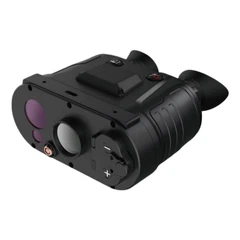
- Five - sensor Multi - purpose Reconnaissance Thermal Imaging Low - light Daylight LRF Image Fusion Vision Handhold Binocular: The Five - sensor Multi - purpose Reconnaissance Thermal Imaging Low - light Daylight LRF Image Fusion Vision Handhold Binocular combines multiple sensors for different imaging modes. While it offers a more comprehensive imaging solution, the MCT MWIR Core with Lens can provide higher - quality infrared images specifically in the mid - wave infrared band. The MCT MWIR Core with Lens can be a better choice for long - distance detection when the focus is on high - sensitivity infrared imaging.
- CMPT6 MW IR Camera Specifications: The CMPT6 MW IR Camera Specifications provide details about a specific MWIR camera. The MCT MWIR Core with Lens may have different performance characteristics depending on the specific design and application requirements. However, in general, the MCT MWIR Core with Lens can offer high - end performance in terms of sensitivity and image quality for long - distance detection.
Conclusion
In conclusion, the MCT MWIR Core with Lens has great potential for long - distance detection. Its high sensitivity, good atmospheric penetration, and ability to produce high - quality images make it suitable for a wide range of applications in military, security, and environmental monitoring. However, it also faces some limitations such as high cost and cooling requirements. Despite these challenges, for applications where long - distance detection with high - quality infrared imaging is crucial, the MCT MWIR Core with Lens is a viable option.


If you are interested in using the MCT MWIR Core with Lens for your long - distance detection needs, please contact us for more information and to discuss potential procurement. We are committed to providing high - quality products and excellent customer service to meet your specific requirements.
References
- Technical literature on MCT MWIR technology from semiconductor manufacturers.
- Research papers on infrared imaging and long - distance detection.
- Product specifications and application notes from relevant infrared sensor and camera manufacturers.