


Can LWIR Uncooled Cores be used for night vision?
Hey there! As a supplier of LWIR Uncooled Cores, I get this question a lot: Can LWIR Uncooled Cores be used for night vision? Well, let's dig into this topic and find out.
First off, let's understand what LWIR Uncooled Cores are. LWIR stands for Long - Wave Infrared, and uncooled cores are basically thermal imaging sensors that don't require a cooling mechanism. Unlike cooled sensors, which are more expensive and complex, uncooled cores are cost - effective and easier to maintain.
When it comes to night vision, traditional night vision devices often use image intensifier tubes. These tubes amplify the small amount of available light (like moonlight or starlight) to create a visible image. But they have their limitations. For example, they don't work well in complete darkness or when there's too much light pollution.
Now, LWIR Uncooled Cores take a different approach. They detect the infrared radiation emitted by objects based on their temperature. All objects above absolute zero emit infrared radiation, and the LWIR sensors pick up these emissions to create an image. This means that they can work in total darkness, fog, smoke, or any other conditions where visible light is limited.
One of the major advantages of using LWIR Uncooled Cores for night vision is their ability to detect heat signatures. In a military or security context, this can be a game - changer. You can spot a person hidden in the bushes, a vehicle parked in the dark, or even a potential threat that might otherwise go unnoticed. For example, if there's an intruder trying to sneak onto a property at night, the heat from their body will stand out clearly in the thermal image produced by the LWIR Uncooled Core.


Another benefit is their durability. Since they don't have any moving parts (unlike some cooled imaging systems), they are less prone to mechanical failures. This makes them ideal for use in harsh environments, such as in the military, law enforcement, or outdoor surveillance.
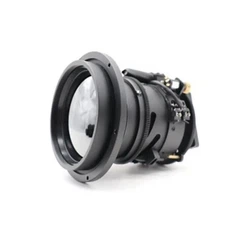
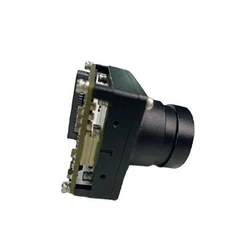
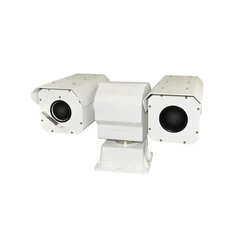
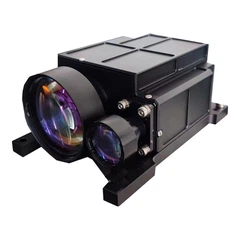
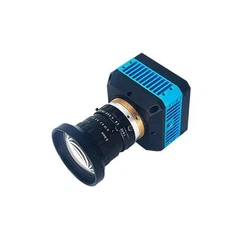
Let's talk about some of our products. We offer the SC - CLVX(E) 1080p FHD / 1280 HD uncooled LWIR Thermal core. This core provides high - resolution thermal imaging, which is great for detailed night vision applications. Whether you're monitoring a large area or looking for specific details in the dark, this core can deliver clear and accurate images.
Our Nework Uncooled Thermal Image Core a - Si sensor is also a great option. It uses advanced amorphous silicon (a - Si) technology, which offers excellent sensitivity and image quality. The network connectivity allows for easy integration with other systems, making it a versatile choice for night vision setups.
However, it's not all roses. There are some limitations to using LWIR Uncooled Cores for night vision. One of the main drawbacks is the lower resolution compared to some high - end visible - light cameras. Also, in very cold environments, the contrast of the thermal images might be reduced, making it a bit more difficult to distinguish between objects.
But overall, the advantages outweigh the disadvantages in most night - vision scenarios. For applications like wildlife observation, border patrol, or home security, LWIR Uncooled Cores are a fantastic option.
In contrast, we also have a cooled thermal imaging core like the 640 X 512 MCT Anti - shock MWIR Thermal Image Core 20x Zoom CMP620. It's suitable for more demanding applications where higher performance and resolution are required. But it's also more expensive and complex to operate compared to our uncooled cores.
If you're in the market for a good night - vision solution, I definitely recommend considering LWIR Uncooled Cores. They offer a cost - effective, reliable, and practical way to see in the dark. Whether you're a professional in the security industry, a wildlife enthusiast, or just looking to enhance the security of your home, our LWIR Uncooled Cores can meet your needs.
If you're interested in learning more about our products or have any questions about using LWIR Uncooled Cores for night vision, don't hesitate to reach out. We're here to help you make the best choice for your specific requirements. You can engage in a detailed discussion with us about procurement, customized solutions, and integration options. Let's work together to find the perfect night - vision solution for you.
References:
- "Thermal Imaging Handbook" by some experts in the field of thermal imaging technology.
- Technical documents and research papers related to LWIR and night - vision applications.