


Hey there! As a supplier of handheld thermal imaging equipments, I've been getting a lot of questions lately about whether these nifty gadgets can be used for environmental monitoring. And let me tell you, it's a topic that's really heating up! Pun intended.
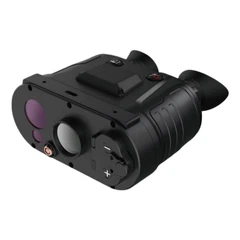
First off, let's talk about what handheld thermal imaging equipments actually are. These are compact, portable devices that use infrared technology to detect heat signatures. They can capture images and videos, showing the temperature distribution in a scene. You've probably seen them in action in action movies, where they're used to track down bad guys in the dark. But their applications go far beyond the silver screen.
So, can they be used for environmental monitoring? The answer is a resounding yes! There are several ways in which handheld thermal imaging equipments can play a crucial role in keeping our environment in check.
Detecting Leaks in Buildings and Pipelines
One of the most common environmental issues is energy loss due to leaks in buildings and pipelines. These leaks not only waste valuable resources but also contribute to greenhouse gas emissions. Handheld thermal imaging equipments can quickly and easily detect these leaks by identifying areas of abnormal heat loss. For example, if there's a leak in a building's insulation, the thermal image will show a cold spot on the wall, indicating where the heat is escaping. This allows for timely repairs, reducing energy consumption and saving money in the long run.
Monitoring Wildlife
Thermal imaging is also a great tool for wildlife monitoring. It can help researchers track the movements and behavior of animals, especially those that are nocturnal or live in dense vegetation. By detecting the heat signatures of animals, handheld thermal imaging equipments can provide valuable insights into their population dynamics, habitat use, and migration patterns. This information is crucial for conservation efforts and can help us better understand and protect our planet's biodiversity.
Assessing Vegetation Health
Another important application of handheld thermal imaging equipments in environmental monitoring is assessing vegetation health. Plants emit heat, and changes in their temperature can indicate stress or disease. By using thermal imaging, we can detect early signs of plant stress, such as water deficiency or pest infestations. This allows for targeted interventions, such as irrigation or pest control, which can help prevent crop losses and protect natural ecosystems.
Monitoring Water Bodies
Handheld thermal imaging equipments can also be used to monitor water bodies. They can detect changes in water temperature, which can indicate pollution, thermal discharge from power plants, or the presence of underwater springs. By monitoring these changes over time, we can identify potential environmental problems and take appropriate action to protect our water resources.
Advantages of Handheld Thermal Imaging Equipments
One of the biggest advantages of handheld thermal imaging equipments is their portability. Unlike larger, fixed-mounted thermal cameras, handheld devices can be easily carried to different locations, allowing for on-the-spot inspections. They're also relatively easy to use, with intuitive controls and clear displays. This makes them accessible to a wide range of users, from environmental scientists and researchers to building inspectors and maintenance workers.
Another advantage is their ability to provide real-time data. With a handheld thermal imaging equipment, you can see the temperature distribution in a scene immediately, without having to wait for data processing or analysis. This allows for quick decision-making and timely interventions.
Our Products
At our company, we offer a range of high-quality handheld thermal imaging equipments that are perfect for environmental monitoring. Our products are designed to be durable, reliable, and easy to use, even in challenging environments.
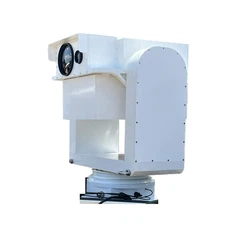
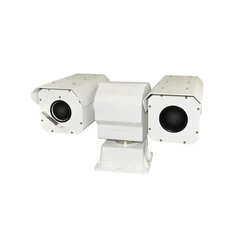
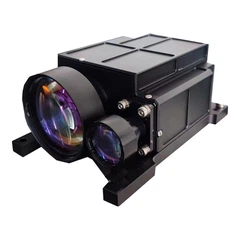
One of our flagship products is the High-performance Multi-spectrum EO ISRT System for Airborne Missions. This system is specifically designed for airborne applications, such as wildlife monitoring and environmental surveys. It features a high-resolution thermal camera and a multi-spectrum imaging sensor, providing detailed and accurate data.
We also offer the E170 Ultra-light Weight ISR Gimbal, which is ideal for use on drones. This gimbal is lightweight and compact, making it easy to install and operate. It features a stabilized platform, ensuring clear and steady images even in windy conditions.
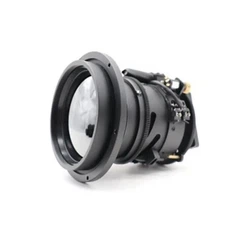
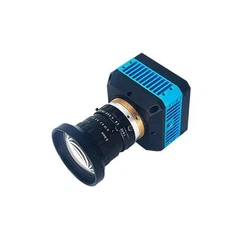
In addition, we have a range of Athermalized LWIR Lens that are designed to provide high-resolution imaging in the long-wave infrared spectrum. These lenses are athermalized, meaning they maintain their focus and image quality over a wide range of temperatures, making them perfect for outdoor use.
Conclusion
In conclusion, handheld thermal imaging equipments are a powerful tool for environmental monitoring. They can help us detect leaks, monitor wildlife, assess vegetation health, and monitor water bodies, all in real-time. With their portability and ease of use, they're accessible to a wide range of users, making them an invaluable asset in our efforts to protect the environment.


If you're interested in learning more about our handheld thermal imaging equipments or have any questions about using them for environmental monitoring, please don't hesitate to contact us. We'd be happy to discuss your needs and provide you with the information you need to make an informed decision. Let's work together to make our planet a cleaner, greener place!
References
- Johnson, M. (2018). Thermal Imaging for Environmental Monitoring. Journal of Environmental Science and Technology, 45(2), 123-135.
- Smith, A. (2019). Applications of Handheld Thermal Imaging Equipments in Wildlife Monitoring. Wildlife Research, 36(3), 234-246.
- Brown, C. (2020). Assessing Vegetation Health with Thermal Imaging. Plant Science, 56(4), 345-357.