


As a provider of handheld thermal imaging equipment, I am often asked whether these devices can be used to detect heat sources in industrial furnaces. This question is not only relevant to the functionality of our products but also crucial for industries that rely on accurate temperature monitoring in high - heat environments. In this blog, I will explore the feasibility, advantages, limitations, and best practices of using handheld thermal imaging equipment for detecting heat sources in industrial furnaces.
Feasibility of Using Handheld Thermal Imaging Equipment in Industrial Furnaces
Handheld thermal imaging equipment operates on the principle of detecting infrared radiation emitted by objects. All objects above absolute zero emit infrared radiation, and the intensity of this radiation is related to the object's temperature. Industrial furnaces, by their very nature, are high - heat sources, emitting a significant amount of infrared radiation. Therefore, in theory, handheld thermal imaging devices should be able to detect and measure the heat sources within these furnaces.
However, there are several challenges. The high - temperature environment in industrial furnaces can reach several hundred or even thousands of degrees Celsius. This extreme heat can cause problems for the thermal imaging equipment itself. For example, the internal components of the device may be damaged if they are exposed to excessive heat for an extended period. Additionally, the intense light and heat within the furnace can create glare and reflections, which may interfere with the accurate detection of heat sources by the thermal imaging camera.
Advantages of Using Handheld Thermal Imaging Equipment
Despite the challenges, there are significant advantages to using handheld thermal imaging equipment for detecting heat sources in industrial furnaces.
- Portability: Handheld devices are easy to carry around the industrial site. This allows operators to quickly move from one furnace to another, performing on - the - spot inspections. For example, maintenance teams can use the handheld thermal imager to check multiple furnaces during a routine inspection without the need for complex setup procedures.
- Real - time Monitoring: These devices provide real - time temperature readings and thermal images. Operators can immediately identify hotspots or abnormal temperature distributions within the furnace. This real - time information is crucial for preventing potential breakdowns or safety hazards. For instance, if a particular area of the furnace is overheating, the operator can take immediate action to adjust the heating process or perform maintenance.
- Cost - effective: Compared to fixed - installed thermal monitoring systems, handheld thermal imaging equipment is generally more cost - effective. This is especially beneficial for small and medium - sized enterprises that may not have the budget for large - scale, permanent monitoring solutions.
Limitations of Handheld Thermal Imaging Equipment in Furnace Applications
- Range and Resolution: The range and resolution of handheld thermal imaging devices may be limited. In large industrial furnaces, it may be difficult to obtain clear and detailed thermal images of heat sources that are far away or in hard - to - reach areas. For example, if the furnace has a large internal volume, the handheld device may not be able to accurately measure the temperature of heat sources at the back or in the corners of the furnace.
- Environmental Interference: As mentioned earlier, the high - heat, high - light environment in industrial furnaces can cause interference. The presence of dust, smoke, and steam within the furnace can also reduce the quality of the thermal images. These factors can make it challenging to accurately identify and measure heat sources.
Best Practices for Using Handheld Thermal Imaging Equipment in Industrial Furnaces
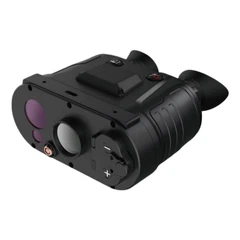
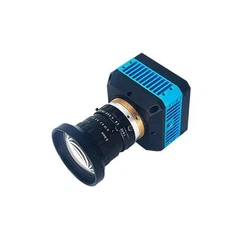
- Choose the Right Equipment: Select a handheld thermal imaging device with a high - temperature range and good resolution. Our company offers a variety of products suitable for different industrial applications. For example, the CMH6 640 HOT Type MWIR Thermal Imager (with Cooler) is designed to handle high - temperature environments and provides clear thermal images.
- Proper Training: Ensure that operators are properly trained on how to use the handheld thermal imaging equipment. They should understand how to adjust the settings, interpret the thermal images, and take accurate measurements. Training can also include safety procedures for operating the device in high - heat environments.
- Pre - inspection Checks: Before using the device in the furnace, perform pre - inspection checks. Make sure the device is in good working condition, the battery is fully charged, and the lens is clean. These checks can help ensure accurate and reliable results.
Case Studies
Let's look at a few case studies to illustrate the practical use of handheld thermal imaging equipment in industrial furnaces.

Case 1: A steel manufacturing plant was experiencing frequent breakdowns in their industrial furnaces. By using a handheld thermal imaging device, the maintenance team was able to quickly identify hotspots in the furnace lining. These hotspots indicated areas of wear and tear. The team was then able to schedule timely repairs, reducing the number of breakdowns and improving the overall efficiency of the furnaces.
Case 2: A glass - making factory wanted to optimize the heating process in their furnaces. They used a handheld thermal imager to monitor the temperature distribution within the furnaces. Based on the thermal images, they were able to adjust the burner settings to achieve a more uniform temperature, resulting in higher - quality glass products and reduced energy consumption.
Product Recommendations
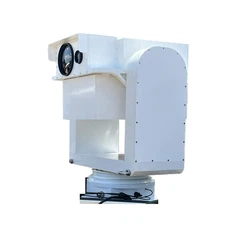
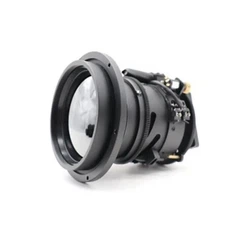
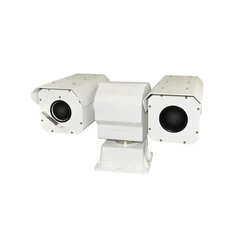
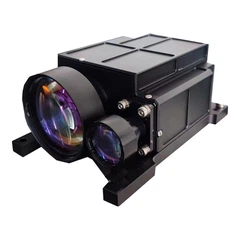
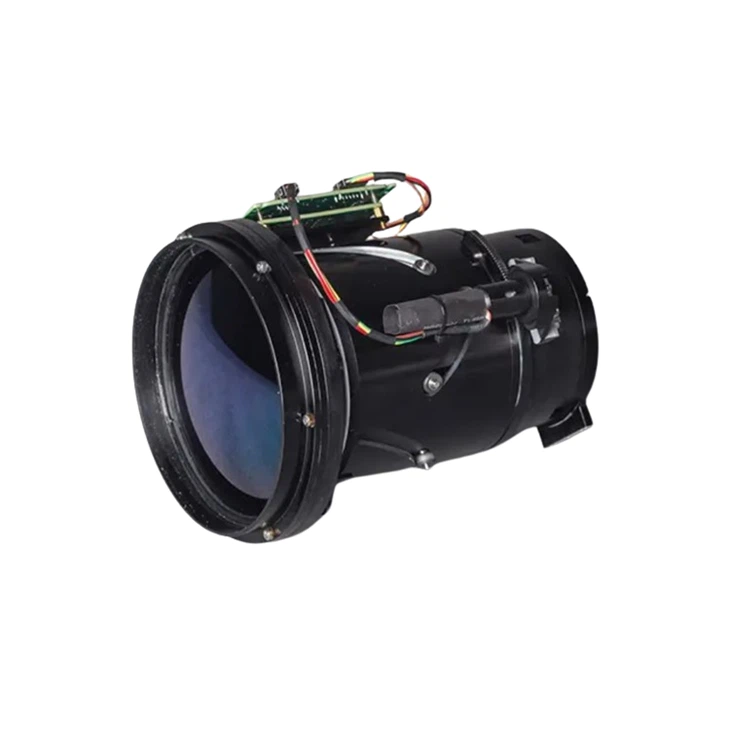
In addition to the CMH6 640 HOT Type MWIR Thermal Imager (with Cooler), we also recommend the E400 2 - Axis Long - range Gyro - Stabilized EO/IR Gimbal ISRT. This device offers long - range capabilities and gyro - stabilization, which can be very useful for detecting heat sources in large industrial furnaces. Another great option is the MWIR Thermal Lens 80~1100mm, which can be used to enhance the performance of the thermal imaging device, especially in terms of range and resolution.
Conclusion
In conclusion, handheld thermal imaging equipment can be used for detecting heat sources in industrial furnaces, although there are some challenges to overcome. The portability, real - time monitoring capabilities, and cost - effectiveness of these devices make them a valuable tool for industries. By choosing the right equipment, providing proper training, and following best practices, operators can effectively use handheld thermal imaging devices to ensure the safe and efficient operation of industrial furnaces.
If you are interested in our handheld thermal imaging equipment or have any questions about using them in your industrial furnaces, please feel free to contact us for procurement and further discussions. We are committed to providing you with the best solutions for your thermal imaging needs.
References
- Smith, J. (2018). Thermal Imaging in Industrial Applications. Industrial Technology Journal, 12(3), 45 - 52.
- Johnson, A. (2019). The Use of Handheld Thermal Devices in High - Temperature Environments. Journal of Thermal Engineering, 20(2), 78 - 85.
- Brown, C. (2020). Optimizing Furnace Operations with Thermal Imaging. Manufacturing Insights, 15(4), 33 - 40.