

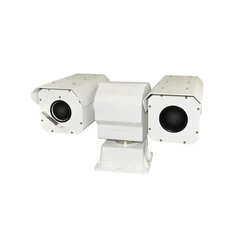
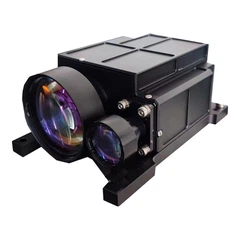
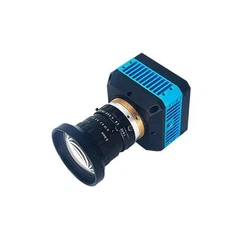
Hey there! I'm a supplier of ISRT EO Systems for Mobile Platforms, and today I wanna chat about whether this system is suitable for military applications.
What's ISRT EO System for Mobile Platform?
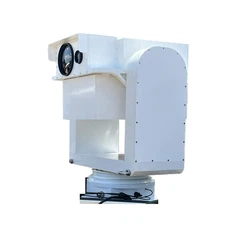
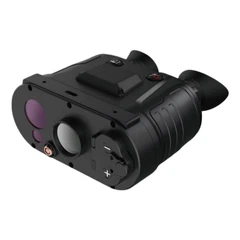
First off, let's quickly run through what an ISRT EO (Integrated Surveillance, Reconnaissance, and Targeting Electro - Optical) system for a mobile platform is. It's a high - tech setup that combines electro - optical sensors and related equipment on a mobile base, like a vehicle, drone, or even a soldier - carried device. This system is designed to offer real - time surveillance, detailed reconnaissance, and precise targeting capabilities.
Key Features for Military Use
One of the major benefits of the ISRT EO system for military applications is its portability. Since it's built for mobile platforms, it can be easily deployed in various combat scenarios. For example, in a fast - paced ground operation, vehicles equipped with this system can quickly move into position, providing the troops with vital information about the enemy's location, movements, and fortifications.
The system also offers high - resolution imaging. Whether it's day or night, the electro - optical sensors can capture sharp and clear images, which can be crucial for military decision - making. At night, the system can use infrared technology to detect heat signatures, making it possible to spot hidden enemies or military equipment. And during the day, the optical sensors can provide detailed visual information about the battlefield.
Another great feature is its stability. These systems are engineered to withstand the vibrations, shocks, and harsh environmental conditions that are common in military operations. So, even if the mobile platform is driving on bumpy roads or flying through rough air, the ISRT EO system can still function properly and provide accurate data.
Application Scenarios in the Military
Reconnaissance Missions
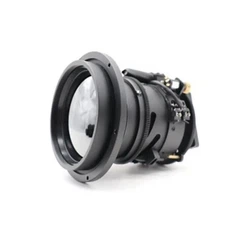
In reconnaissance missions, drones fitted with the ISRT EO system can fly over enemy territory undetected. They can scan large areas quickly and send back high - quality images and videos. This helps military commanders get a comprehensive picture of the enemy's layout, including their camps, supply routes, and fortifications. IR Optical System Design and Customization technologies can be integrated into these systems to enhance their performance in different lighting conditions.
Targeting and Support
For ground forces, ISRT EO systems on vehicles can be used to acquire and lock onto targets. Once the target is identified, the system can provide precise coordinates, enabling accurate missile strikes or artillery fire. Soldiers can also use handheld devices with this technology to validate targets in real - time, improving the efficiency and effectiveness of military operations.
Border Surveillance
In border regions, mobile platforms with the ISRT EO system can be used to monitor the movement of people and vehicles. They can quickly detect any unauthorized crossings and provide early warnings to the military or border control forces. The day - night capabilities of the system ensure continuous surveillance, regardless of the time of day.
Potential Challenges
However, like any technology, there are also some challenges that need to be considered for military applications. One of the main issues is the cost. Developing and manufacturing high - quality ISRT EO systems can be quite expensive. This may limit the number of units that military forces can afford to deploy.
Another challenge is the vulnerability to jamming. In modern warfare, the enemy may attempt to jam the electro - optical signals of the system, causing it to malfunction or lose its accuracy. So, continuous research and development are needed to improve the anti - jamming capabilities of the system.


Comparing with Other Systems
When compared with traditional military surveillance and targeting systems, the ISRT EO system for mobile platforms has several advantages. Traditional systems are often large, heavy, and less flexible. They may be fixed in place, which means they can't quickly adapt to changing battlefield situations. In contrast, the ISRT EO system's mobility allows it to be deployed where and when it's needed most.
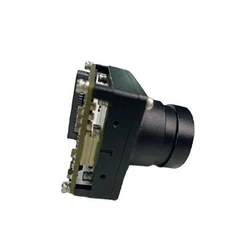
For example, the CMLM6 LEO Type Mid - Wave Cooled 640 Camera Module (MCT) Datasheet offers advanced thermal imaging capabilities that are more compact and efficient than older - generation thermal cameras. This kind of technology can significantly enhance the ISRT EO system's performance in detecting and identifying targets in low - visibility conditions.
New Developments and Future Prospects
The field of ISRT EO systems for mobile platforms is constantly evolving. There are ongoing research efforts to improve the system's resolution, sensitivity, and processing speed. For instance, the integration of artificial intelligence and machine learning algorithms can help the system automatically analyze the captured data, identify patterns, and provide more accurate intelligence.
The HD 1280x1024 ULL Wide - spectrum Ultra Low Light Core represents a step forward in low - light imaging technology. This kind of innovation can further expand the application range of ISRT EO systems in military operations, especially in night - time or low - light environments.
Conclusion and Call to Action
In conclusion, the ISRT EO system for mobile platforms is highly suitable for military applications. Its portability, high - resolution imaging, and stability make it an invaluable asset in modern warfare. Although there are some challenges, the continuous development of the technology is likely to overcome these issues in the future.
If you're in the military or a defense - related organization and are interested in learning more about our ISRT EO Systems for Mobile Platforms, or if you want to engage in procurement discussions, don't hesitate to reach out. We're here to provide you with the best - in - class solutions and support for your military needs.
References
- Military Technology Journal, various issues on electro - optical systems
- Defense Industry Reports on mobile surveillance and targeting technologies