


Mid-Wave Infrared (MWIR) cores are essential components in a wide range of applications, from military and defense to industrial monitoring and environmental sensing. As a supplier of MWIR cores, I understand the importance of helping customers make informed decisions when choosing the right core for their specific needs. In this blog post, I will provide a comprehensive guide on how to choose MWIR cores, covering key factors such as performance requirements, application scenarios, and cost considerations.
Understanding MWIR Technology
Before diving into the selection process, it's crucial to have a basic understanding of MWIR technology. MWIR radiation falls within the wavelength range of 3 to 5 micrometers, which is between the short-wave infrared (SWIR) and long-wave infrared (LWIR) bands. MWIR sensors are highly sensitive to the thermal emissions of objects, making them ideal for detecting and imaging heat signatures.


One of the primary advantages of MWIR cores is their ability to operate in various environmental conditions, including fog, smoke, and haze. This makes them well-suited for applications where visibility is limited, such as surveillance, search and rescue, and industrial inspection. Additionally, MWIR sensors can provide high-resolution images with excellent contrast, allowing for detailed analysis and identification of objects.
Key Factors to Consider When Choosing MWIR Cores
1. Performance Requirements
The first step in choosing an MWIR core is to define your performance requirements. This includes factors such as resolution, sensitivity, frame rate, and noise equivalent temperature difference (NETD).
- Resolution: The resolution of an MWIR core determines the level of detail that can be captured in an image. Higher resolution cores can provide more accurate and detailed information, but they also tend to be more expensive. When selecting a core, consider the specific application requirements and the level of detail needed for your analysis.
- Sensitivity: Sensitivity refers to the ability of an MWIR core to detect small changes in temperature. A more sensitive core can detect smaller temperature differences, which is crucial for applications such as thermal imaging and temperature monitoring. Look for cores with high sensitivity specifications to ensure accurate and reliable results.
- Frame Rate: The frame rate of an MWIR core determines how many images can be captured per second. Higher frame rates are necessary for applications that require real-time monitoring or tracking of moving objects. Consider the speed of the objects you need to monitor and choose a core with a frame rate that meets your requirements.
- NETD: NETD is a measure of the minimum temperature difference that an MWIR core can detect. A lower NETD value indicates a more sensitive core, which can provide better image quality and more accurate temperature measurements. When comparing different cores, look for those with low NETD values to ensure optimal performance.
2. Application Scenarios
The specific application scenario will also play a significant role in the selection of an MWIR core. Different applications have different requirements in terms of imaging capabilities, environmental conditions, and operating constraints. Here are some common application scenarios and the corresponding considerations:
- Military and Defense: In military and defense applications, MWIR cores are used for surveillance, target detection, and thermal imaging. These applications require high-performance cores with excellent sensitivity, resolution, and frame rates. Additionally, military-grade cores often need to be rugged and reliable, capable of operating in harsh environments.
- Industrial Monitoring: Industrial monitoring applications, such as process control, equipment inspection, and predictive maintenance, require MWIR cores that can provide accurate temperature measurements and detect small temperature changes. These cores should be able to operate in high-temperature environments and withstand vibrations and shocks.
- Environmental Sensing: Environmental sensing applications, such as wildlife monitoring, forest fire detection, and climate research, require MWIR cores that can provide wide-area coverage and long-range detection capabilities. These cores should be able to operate in various weather conditions and provide high-resolution images over large distances.
- Medical Imaging: In medical imaging applications, MWIR cores are used for detecting and diagnosing diseases based on thermal patterns. These applications require cores with high sensitivity and resolution to detect subtle temperature changes in the human body.
3. Cost Considerations
Cost is always an important factor when choosing an MWIR core. The price of an MWIR core can vary significantly depending on its performance specifications, features, and brand. When evaluating different cores, consider the total cost of ownership, including the initial purchase price, maintenance costs, and any additional accessories or software required.
It's also important to balance cost with performance. While it may be tempting to choose the cheapest option, a low-cost core may not meet your performance requirements and could end up costing you more in the long run. Look for a core that offers a good balance between performance and cost, and consider the specific needs of your application.
Our MWIR Core Products
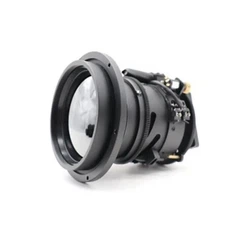
As a leading supplier of MWIR cores, we offer a wide range of products to meet the diverse needs of our customers. Our MWIR cores are designed with the latest technology and offer high performance, reliability, and affordability. Here are some of our featured products:
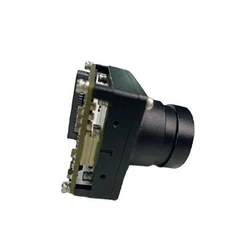
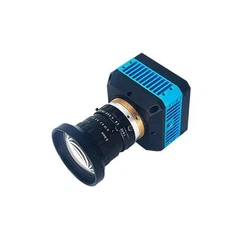
- 384 X 288 Shutterless Uncooled LWIR Thermal Image Core: This core features a high-resolution 384 x 288 pixel array and offers excellent sensitivity and image quality. It is suitable for a wide range of applications, including surveillance, industrial monitoring, and environmental sensing.
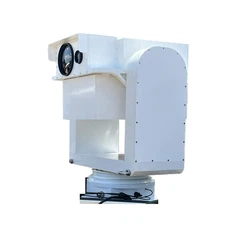
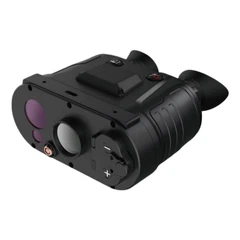
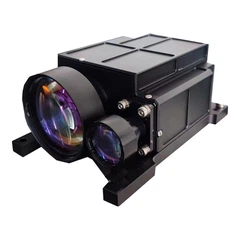
- POD-853D Triple-Sensor 3 Axes Ultra-Miniature Tactical UAV ISR: This integrated sensor pod combines an MWIR core with other sensors, such as visible light cameras and laser rangefinders, to provide comprehensive situational awareness for unmanned aerial vehicles (UAVs). It is designed for military and defense applications and offers high performance and reliability.
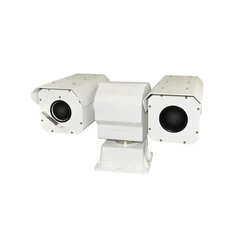
- Dual-Spectrum 4 Axis EO/IR POD 125: This dual-spectrum pod features both an MWIR core and a visible light camera, allowing for simultaneous day and night operation. It is suitable for a variety of applications, including surveillance, search and rescue, and border security.
Contact Us for Purchase and Consultation
Choosing the right MWIR core can be a complex process, but our team of experts is here to help. We have extensive experience in the field of infrared technology and can provide personalized advice and support to help you select the best core for your specific needs.
If you are interested in purchasing an MWIR core or have any questions about our products, please feel free to contact us. We look forward to working with you and helping you achieve your imaging and sensing goals.
References
- Smith, J. (2020). Infrared Imaging Technology: Principles and Applications. Springer.
- Jones, A. (2019). Mid-Wave Infrared Sensors: Design, Performance, and Applications. SPIE.
- Brown, R. (2018). Thermal Imaging for Industrial Applications. Elsevier.